
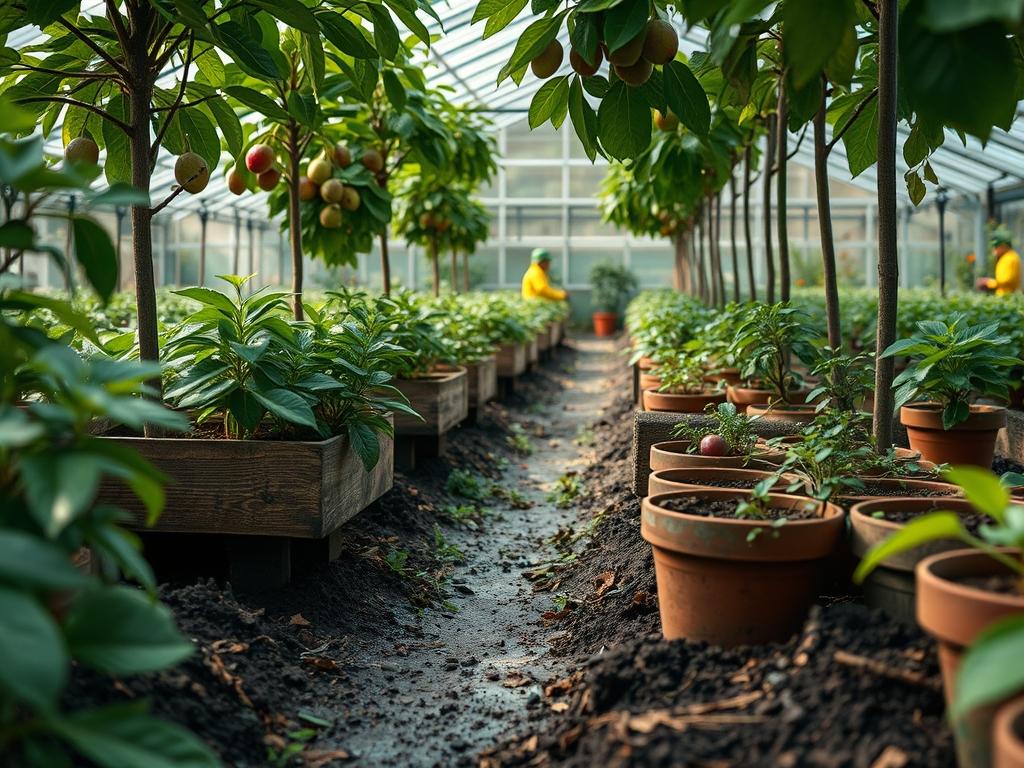
Integrating pome and stone fruit trees into a residential landscape offers more than just a seasonal harvest; it creates a structured, multi-sensory environment that bolsters property value and provides professional-grade curb appeal. However, for many homeowners and estate managers, the aesthetic integrity of high-value specimens like Plum, Peach, and Apple trees is frequently threatened by the plum curculio. This snout beetle is a formidable adversary in the orchard landscape, capable of scarring fruit and causing premature drop, which undermines the functional goals of a productive garden. Effective Plum Curculio Prevention begins not with chemical sprays, but with intentional landscape design that prioritizes sanitation, air circulation, and site management. By viewing the orchard through the lens of a landscape architect, we can build environments that are naturally resilient to pest cycles while maintaining a sophisticated visual balance.
Climate considerations play a vital role in how we position these trees. In temperate zones where the plum curculio thrives, the architect must account for high humidity and proximity to wooded edges, as these beetles often overwinter in the leaf litter of nearby deciduous forests. A well-planned landscape breaks the lifecycle of the pest by creating physical and biological barriers. When we design an outdoor living space, every element, from the Flagstone walkway to the Gravel drainage system, must serve a dual purpose. A path is not just a transition between garden rooms; it is a clear access point for the daily monitoring and sanitation required to keep the landscape healthy and the fruit pristine.
LANDSCAPE DESIGN PRINCIPLES
Professional landscape design relies on symmetry and focal points to guide the eye and create a sense of order. When incorporating fruit-bearing trees, they often serve as primary focal points due to their dramatic blooming periods and structural branching. To achieve visual balance, designers utilize elevation layers. We might place a Standard Plum Tree at the rear of a bed to provide height, while surrounding it with mid-tier shrubs and low-growing perennials. This layering is not merely for show; it facilitates better air movement. Stagnant air trapped by dense, over-planted privacy screens creates a microclimate where pests flourish. By maintaining clear spacing between the canopy and the surrounding foliage, we reduce the humidity that attracts the curculio.
Irrigation planning is another pillar of a sustainable design. Overhead watering is discouraged in professional landscape architecture because it wets the foliage and fruit, potentially leaching protective treatments and encouraging fungal growth that complements pest damage. Instead, we implement Drip Irrigation systems buried beneath a layer of Hardwood Mulch. This keeps the root zones hydrated while keeping the upper environment dry. Furthermore, the use of hardscaping, such as Stone Retaining Walls, can be used to elevate planting beds. This change in elevation improves drainage and makes the mechanical control of pests, such as the frequent collection of “drops,” much easier on the maintenance staff or homeowner.
PLANT AND MATERIAL SELECTION
Choosing the right components for your landscape involves balancing horticultural needs with pest management strategies. The following table outlines selections that contribute to a resilient garden ecosystem while supporting Plum Curculio Prevention.
| Plant Type | Sun Exposure | Soil Needs | Water Demand | Growth Speed | Maintenance Level |
| :— | :— | :— | :— | :— | :— |
| European Plum | Full Sun | Well-drained Loam | Moderate | Moderate | High |
| Dwarf Apple | Full Sun | Rich Organic | Moderate | Fast | Moderate |
| White Clover | Full/Part Sun | Adaptable | Low | Fast | Low |
| Garlic Chives | Full Sun | Well-drained | Low | Moderate | Low |
| Common Lavender | Full Sun | Sandy/Gritty | Low | Moderate | Low |
| Sweet Alyssum | Full/Part Sun | Average | Moderate | Fast | Low |
Materials are just as important as the plants themselves. For high-traffic orchard areas, we often specify Decomposed Granite or Pea Gravel for walkways. These materials do not harbor overwintering beetles as easily as heavy leaf mold or thick, unmanaged groundcovers. When selecting mulch, we recommend Double-milled Cedar Mulch at a consistent depth of 3 inches. Cedar contains natural oils that can act as a mild deterrent, and the uniform texture makes it easier to spot and remove fallen fruit before larvae can burrow into the soil to pupate.
IMPLEMENTATION STRATEGY
The implementation of a professional orchard layout starts with site grading. Proper grading ensures that water moves away from the trunks of the trees, preventing crown rot and maintaining the tree’s vigor. A stressed tree is a magnet for pests. Begin by marking the perimeter of your orchard zone with Steel Edging to create a clean, defined border between the turf and the planting beds. This prevents grass from competing with the trees for nutrients and eliminates the risk of “mower blight,” where equipment damages the bark and provides an entry point for disease.
Once the site is graded, install the Irrigation Subsurface Lines. Following this, the planting holes should be dug twice as wide as the root ball but no deeper. We often use a Hand Auger for consistent hole sizing. After the trees are set, the application of Organic Compost can help establish the root system. For Plum Curculio Prevention, consider the “jarring” method as a part of the structural maintenance. In the early morning, lay a White Drop Cloth beneath the tree and strike the branches with a Padded Mallet. The beetles will fall onto the cloth, where they can be collected and destroyed. This mechanical intervention is highly effective when performed during the two to three weeks following petal fall.
COMMON LANDSCAPING FAILURES
One of the most frequent failures we see in residential landscapes is root overcrowding. When trees are planted too close together, their canopies overlap, creating a dark, moist environment that is a sanctuary for the plum curculio. Each tree should be spaced according to its mature spread, typically 15 to 20 feet for semi-dwarf varieties. Another mistake is improper mulch depth, often called “volcano mulching.” Piling mulch against the trunk traps moisture against the bark and provides the perfect hiding spot for adult beetles to survive the winter.
Drainage mistakes can also be catastrophic. If a site has heavy clay soil, we may need to install a French Drain or specialized Perforated Piping to move excess water. Soil compaction is another silent killer. In gardens with heavy foot traffic, the soil becomes packed down, reducing oxygen availability to the roots. We mitigate this by designing specific Walkways and using Air Spades to aerate the root zones of established trees. Finally, failing to remove “mummies” or shriveled, diseased fruit from the previous season can invite a pest resurgence. Hygiene must be absolute.
SEASONAL MAINTENANCE
Professional landscape management is a year-round commitment. In the spring, focus on monitoring. As temperatures reach 60 degrees Fahrenheit, the beetles emerge. This is the time to apply Kaolin Clay or Neem Oil to the developing fruit. These barriers make the fruit less attractive for egg-laying. In the summer, the priority shifts to sanitation. You must pick up any fallen fruit every few days. This prevents the larvae from exiting the fruit and entering the soil to complete their lifecycle. Use a Garden Rake to keep the area under the canopy clear.
During the autumn, the goal is to remove overwintering sites. Rake up all fallen leaves and debris, composting them far away from the orchard or disposing of them off-site. Applying a thin layer of Fresh Mulch can help regulate soil temperature for the winter while ensuring no pests are trapped near the tree. In the winter months, perform structural pruning using Bypass Pruners. Open up the center of the tree to create a “vase” shape, which maximizes sunlight penetration and air flow, two of the greatest natural enemies of the plum curculio.
PROFESSIONAL LANDSCAPING FAQ
How does mulch depth affect plum curculio management?
Maintaining a consistent 3 inch depth of Cedar Mulch prevents the soil from becoming a soft haven for larvae. It also makes it easier to see and remove “drops” before the larvae can burrow into the earth to pupate.
Which companion plants help deter orchard pests?
Plants like Garlic, Lavender, and Chives can be integrated into the landscape. Their strong scents can sometimes confuse pests, while flowering herbs like Dill attract beneficial predatory insects that feed on beetle larvae.
Can hardscaping mitigate pest issues in a fruit garden?
Yes. Using Gravel Paths or Flagstone underneath and around fruit trees reduces the amount of organic “duff” where beetles overwinter. It also provides a clean, stable surface for performing mechanical pest control and fruit collection.
Why is air circulation a priority in landscape design?
The plum curculio prefers humid, still environments. By using professional spacing and pruning techniques to open the canopy, we increase wind flow and UV penetration, which naturally discourages the beetles from congregating in the orchard.
What is the most effective organic prevention tool?
Applying Kaolin Clay creates a white, powdery film that acts as a physical barrier. It irritates the beetles and makes the fruit unrecognizable to them, providing a non-toxic way to protect the harvest within a luxury landscape.