
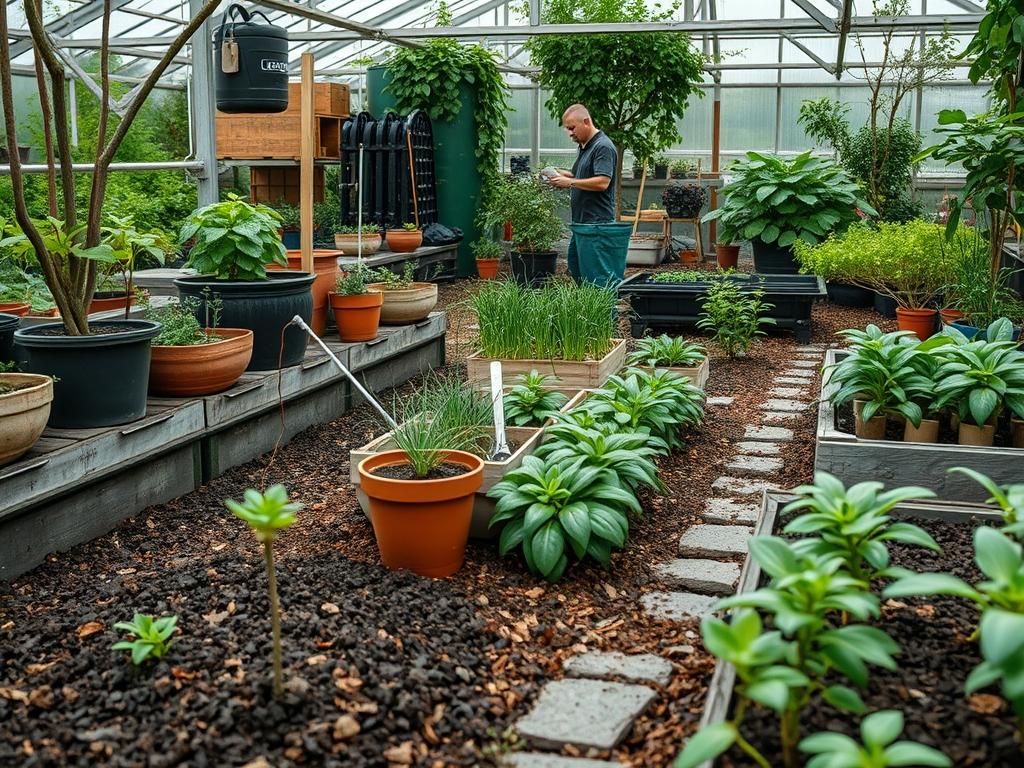
Managing the perimeter of a residential or commercial property requires a sophisticated understanding of how moisture cycles interact with structural integrity and pest ecology. When humidity levels remain elevated near the foundation, the environment becomes a beacon for various nuisances; among these, the silverfish is perhaps the most persistent. These wingless insects thrive in cool, damp, and dark conditions, often utilizing dense vegetation or decaying organic matter as a staging ground before migrating into the interior of a home. As a senior landscape architect, I approach the challenge of silverfish deterrent tips not through chemical intervention, but through strategic site remediation and hydrological balance. The goal is to create a dry, airy, and inhospitable environment for pests while simultaneously elevating the aesthetic and functional value of the outdoor living space.
The intersection of curb appeal and pest management lies in the transition zone between the softscape and the hardscape. A well designed landscape ensures that water moves away from the building at a rate of at least one inch per foot for the first ten feet. If the soil remains saturated due to poor grading or the lack of a proper drainage system, you are essentially inviting silverfish to colonize the root zones of your ornamental plants. By prioritizing airflow and sunlight penetration at the foundation line, we can naturally inhibit the lifecycle of moisture-loving pests. This architectural approach emphasizes the use of inorganic buffers, specific botanical selections, and precision irrigation to ensure that the landscape remains both a visual asset and a defensive barrier.
LANDSCAPE DESIGN PRINCIPLES
Effective site planning for moisture control begins with the principle of symmetry and the intentional use of elevation layers. In damp-prone regions, the design must incorporate a clear “dry zone” immediately adjacent to the structural envelope. This is typically achieved by installing a six-inch to twelve-inch wide strip of river rock or pea gravel around the entire perimeter. This inorganic barrier prevents organic mulch from touching the siding or masonry, which is a primary recommendation when discussing silverfish deterrent tips. Without a bridge of damp wood chips or soil, silverfish find it much harder to traverse the heat-absorbing stones that dry out quickly under the sun.
Visual balance is maintained by layering plants according to their height and water requirements. Focal points, such as a large Japanese Maple or a specialized focal sculpture, should be placed at a distance from the foundation to prevent root systems from disrupting the soil profile near the basement walls. Irrigation planning is critical here; we replace high-volume spray heads with drip irrigation lines buried beneath the surface. This ensures that water is delivered directly to the root balls of specific plants rather than creating a broad, humid micro-climate across the entire lawn. Walkways should be constructed using permeable pavers or flagstone set in a well-draining sand base, allowing rain to infiltrate the ground rather than pooling near the home entry points.
PLANT AND MATERIAL SELECTION
Choosing the right components for a damp-resistant landscape involves balancing hydration needs with natural repellent properties. Certain plants, particularly those high in aromatic oils, act as a natural deterrent to silverfish and other insects.
| Plant Type | Sun Exposure | Soil Needs | Water Demand | Growth Speed | Maintenance Level |
| :— | :— | :— | :— | :— | :— |
| Lavender | Full Sun | Well-drained/Sandy | Low | Moderate | Prune annually |
| Rosemary | Full Sun | Gritty/Alkaline | Very Low | Slow to Moderate | Minimal |
| Chrysanthemum | Full Sun | Loamy/Rich | Moderate | Fast | Deadhead regularly |
| River Birch | Full Sun/Partial | Moist/Acidic | High | Fast | Structural pruning |
| Cedar (Thuja) | Full Sun/Partial | Adaptable | Moderate | Moderate | Seasonal trimming |
| Peppermint | Partial Shade | Moist/Rich | High | Invasive (use pots) | Frequent harvest |
In addition to these plants, the choice of mulch is paramount. We recommend Cedar bark mulch over dyed hardwood varieties. Cedar contains natural oils that are repellent to many bristletails and beetles. For high-moisture areas where silverfish are an active concern, transitioning to a lava rock or crushed slate ground cover provides a permanent solution that does not decay or harbor fungal growth.
IMPLEMENTATION STRATEGY
The implementation of a moisture-controlled garden layout starts with a professional site survey to identify low spots and drainage failures. Begin by grading the soil away from the foundation using a transit level to ensure a consistent slope. Once the grade is established, install a heavy-duty filter fabric over the soil in the perimeter zone to prevent weeds from growing through your stone buffers. For properties suffering from significant subsurface moisture, the installation of a French drain consisting of a 4-inch perforated pipe encased in 3/4-inch clean gravel is the gold standard.
When planting, ensure a minimum gap of eighteen inches between the mature width of the shrub and the exterior wall. This spacing promotes the “ventilation effect,” where wind can pass freely behind the foliage, drying out the cladding and the soil surface. Use steel edging or concrete curbing to create a sharp, clean line between the lawn and the planting beds; this prevents grass and its associated moisture from creeping into the dry zone. Finally, apply a three-inch layer of mulch, ensuring it tapers off as it approaches the stems of plants to prevent crown rot, which is a common breeding ground for silverfish.
COMMON LANDSCAPING FAILURES
One of the most frequent mistakes I see in residential landscapes is the “bathtub effect,” where a planting bed is surrounded by heavy clay soil or solid edging without an exit point for water. This creates a stagnant pool beneath the mulch that stays damp for weeks, providing a perfect nursery for pests. Another critical failure is improper mulch depth; while three inches is ideal for moisture retention in the desert, in damp climates, a two-inch layer is often safer to allow for faster evaporation.
Root overcrowding is another issue that leads to stagnant air pockets. When plants are placed too close together, their canopies interlock, trapping humidity against the ground. This lack of light and airflow is the primary environmental factor that silverfish exploit. Furthermore, failing to clean gutters and downspouts can render even the best landscape design useless. If water overflows from the roof and splashes into the foundation plantings, it compacts the soil and creates a perpetual dampness that bypasses all drainage engineering.
SEASONAL MAINTENANCE
A landscape is a living system that requires periodic adjustments to remain a functional silverfish deterrent. In the Spring, the focus should be on inspecting the grading for any signs of erosion or settling that may have occurred during the winter thaw. Refresh the Cedar mulch and clear out any leaf litter that has accumulated in the corners of the garden, as decaying leaves are a primary food source for pests.
During the Summer, monitor the irrigation timer to ensure you are not over-watering during periods of high humidity. Autumn maintenance involves a thorough pruning of any branches that have grown to touch the siding of the house, effectively cutting off the “highway” that silverfish use to enter higher levels of the structure. Finally, in Winter, ensure that snow is not piled directly against the foundation walls during shoveling, as the slow melt can saturate the soil and lead to springtime moisture issues that start the pest cycle anew.
PROFESSIONAL LANDSCAPING FAQ
How does gravel help deter silverfish near foundations?
Gravel dries rapidly and does not retain the organic matter silverfish consume. By removing the food source and the moisture, the area becomes a hostile environment that prevents them from nesting near the building’s entry points.
Can certain mulch types actually attract pests?
Yes, standard hardwood or pine bark mulches retain significant moisture and decompose over time. This decomposition provides both the humidity and the fungal food sources that silverfish and other damp-loving insects require to thrive in a landscape.
How far should shrubs be from the house?
Maintain a minimum of eighteen inches between the house and the shrub’s mature edge. This distance ensures adequate airflow and prevents moisture from being trapped against the exterior walls, which is essential for natural pest deterrence.
Is a French drain necessary for silverfish control?
If you have standing water or soggy soil near your foundation, a French drain is highly effective. By diverting subsurface water away from the home, it eliminates the high-humidity micro-climate that silverfish need to survive.
What is the best irrigation method for pest control?
Using a drip irrigation system is superior to traditional sprinklers. Drip systems deliver water directly to the roots, keeping the surrounding soil surface and the foliage of the plants dry, thus minimizing the dampness that attracts pests.