
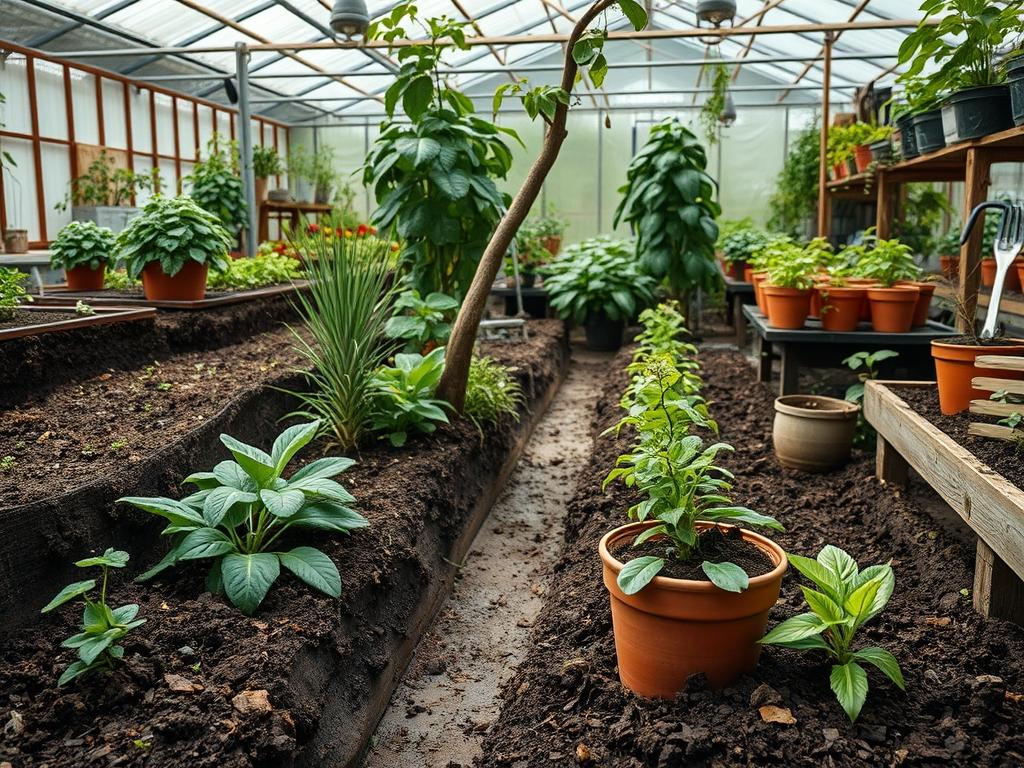
Every professional landscape architect understands that a high performance outdoor environment must balance visual appeal with structural integrity. While homeowners often focus on the vibrant colors of perennial flowers or the lush texture of fresh ground cover, we must look deeper into the fundamental health of the plot. One of the most significant challenges in modern site planning is the management of moisture and organic matter near the building envelope. This brings us to the critical intersection of aesthetics and pest management. High quality wood mulch is a staple for weed suppression and moisture retention, yet it can inadvertently serve as a bridge for destructive insects. Identifying subterranean termite signs within these organic layers is a skill every property owner should master to protect their investment. A well designed landscape does more than just look beautiful; it functions as a protective barrier that directs water away from the foundation and keeps wood destroying organisms at bay.
Establishing a functional and attractive outdoor space requires a keen eye for site conditions and microclimates. Curb appeal is often the primary driver for residential upgrades, but the long term functionality of the space depends on how we manage the transition between the softscape and the hardscape. When we specify materials like pine bark or hardwood chips, we are intentionally introducing cellulose, the primary food source for termites. Consequently, the design must prioritize drainage and airflow. By creating a landscape that breathes, we reduce the damp conditions that attract pests. Professional design seeks to create a sanctuary for the residents, ensuring the outdoor living areas feel like an extension of the home without compromising the safety of the main structure. Proper planning ensures that the beauty of a Japanese Maple or a perfectly edged garden bed does not come at the cost of a compromised foundation.
Landscape Design Principles
A successful landscape relies on a series of foundational principles that guide the eye and ensure the longevity of the installation. Symmetry and balance are the anchors of any design. Whether you prefer the rigid lines of a formal garden or the flowing curves of a naturalistic meadow, visual weight must be distributed evenly. We use focal points, such as a large granite boulder or a high end fountain, to draw the viewer’s attention and provide a sense of purpose to the space. However, beneath this visual layer lies the structural necessity of elevation. Elevation layers allow us to manage water runoff effectively. By utilizing retaining walls and tiered planters, we can ensure that water does not pool near the home, which is a primary invitation for subterranean termites.
Irrigation planning is perhaps the most technical aspect of the design process. An inefficient system that sprays directly onto the house siding or oversaturates the mulch layers creates a subterranean termite highway. We advocate for drip irrigation systems that deliver water directly to the root zones of plants, keeping the surface layer of the soil and mulch relatively dry. Furthermore, the layout of walkways serves a dual purpose. A pathway made of flagstone or pavers acts as a strategic firebreak and pest barrier, separating the organic mulch of the garden beds from the wooden elements of the house. This clear zone is essential for maintenance and inspection. When symmetry and functionality work in harmony, the resulting landscape is not only resilient but also easier to monitor for early warning signs of infestation.
Plant and Material Selection
| Plant Type | Sun Exposure | Soil Needs | Water Demand | Growth Speed | Maintenance Level |
| :— | :— | :— | :— | :— | :— |
| Boxwood | Full Sun to Shade | Well-Drained | Moderate | Slow | Medium |
| Lavender | Full Sun | Sandy/Gravelly | Low | Moderate | Low |
| Dwarf Palmetto | Partial Shade | Moist/Loamy | High | Slow | Low |
| Creeping Phlox | Full Sun | Rich/Humus | Moderate | Fast | Low |
| Switchgrass | Full Sun | Versatile | Low | Fast | Minimal |
| River Birch | Full Sun | Acidic/Wet | High | Fast | Medium |
Implementation Strategy
The transition from a design on paper to a physical garden requires a meticulous implementation strategy. The first step in any backyard renovation is grading. The soil must be sloped away from the foundation at a minimum grade of 2 percent, meaning the ground should drop at least 2 inches for every 10 feet of distance. This prevents water from collecting in the mulch, which is where subterranean termite signs often first appear. Once the grade is established, we use a trenching shovel to define the edges of the garden beds. A deep, clean edge provides a physical gap that makes it more difficult for pests to move unnoticed from the soil into the organic cover.
Next, we consider the depth of the inorganic and organic layers. We recommend placing a weed barrier fabric only in specific scenarios, as it can sometimes trap too much moisture underneath. Instead, a manageable layer of mulch, strictly limited to a depth of 2 to 3 inches, is ideal. If the mulch is too thick, it stays perpetually damp, creating a perfect environment for termites to build their mud tubes. During the installation of hardscaping, such as stone walkways or concrete pads, ensure that these structures do not block the weep holes in the brickwork of the home. Finally, when placing native shrubs, space them at least 12 inches away from the exterior walls. This allows for proper airflow and provides enough room for a technician to inspect the foundation for any earthen tunnels or discarded wings.
Common Landscaping Failures
The most frequent error in residential landscaping is the “volcano mulching” technique, where wood chips are piled high against the trunks of trees and the foundations of buildings. This practice causes bark rot in trees and provides a direct, moist path for termites to reach the structural timber of a house. Soil compaction is another silent failure. When workers use heavy equipment without tilling the soil afterward, the ground becomes as hard as concrete. This leads to poor drainage and surface pooling. Standing water is a magnet for pests and can lead to the rapid appearance of subterranean termite signs just below the mulch line.
Improper spacing is another common pitfall. Homeowners often install plants based on their size at the nursery, forgetting that a small shrub may grow to be 5 feet wide within a few years. When foliage touches the siding of a house, it provides a bridge for insects and traps humidity against the walls. Furthermore, irrigation inefficiencies, such as broken sprinkler heads or poorly timed controllers, can lead to localized flooding. If one area of the yard is consistently swampy, the organic matter in the soil will begin to ferment, attracting subterranean species that thrive in high moisture environments. Proper maintenance of the irrigation valves and regular checks for leaks are essential to preventing these environmental imbalances.
Seasonal Maintenance
Landscape management is a year round commitment that changes with the weather. In the spring, the focus is on cleanup and inspection. This is the primary swarming season for many insects. You should walk the perimeter of your home and look for subterranean termite signs, specifically searching for mud tubes on the foundation or thin, translucent wings caught in spider webs. As you add fresh mulch, be sure to rake out the old material first to prevent excessive buildup. During the summer, the priority shifts to water management. Ensure your hoses and nozzles are in good repair and that you are watering in the early morning to allow the sun to dry the surface of the soil during the day.
When autumn arrives, the task is to manage falling debris. Wet leaves that accumulate against the house serve the same purpose as excess mulch, providing food and cover for pests. Use a leaf blower or a rake to clear these areas and keep the “clear zone” visible. Finally, winter is the time for structural pruning. Use bypass pruners to cut back any branches that have grown too close to the roofline or the siding. Even in the colder months, subterranean termites remain active deep underground. By keeping the landscape tidy and the area near the foundation clear of debris, you make it much easier to spot any anomalies during your monthly walkarounds. Consistent care is the most effective way to ensure your landscape remains an asset rather than a liability.
Professional Landscaping FAQ
How can I tell the difference between ants and termites in my mulch?
Termites have straight antennae and wide waists, while ants have elbowed antennae and pinched waists. Termite wings are all the same length, whereas ant wings have shorter hind wings. Look for these subterranean termite signs near moist wood.
How much space should be between mulch and my siding?
Maintain a minimum of 6 inches of clearance between the top of your mulch or soil and the start of your home siding. This “inspection gap” allows you to easily spot mud tubes or other signs of pest activity.
Are there types of mulch that naturally repel termites?
Cedar mulch and redwood mulch contain natural resins and oils that are less attractive to termites than pine or white chip varieties. While not completely immune, these materials offer an added layer of resistance for your garden beds.
What are the most common subterranean termite signs to look for?
The most frequent indicators are mud tubes on foundation walls, hollow sounding timber, and discarded wings. In the garden, you might find active insects if you turn over a large piece of wood or a stepping stone.
Does rock mulch prevent termite infestations?
Using pea gravel or river rock instead of wood mulch reduces the food source near your foundation. However, termites can still travel through the soil underneath the rocks if the ground remains excessively wet due to poor drainage.