
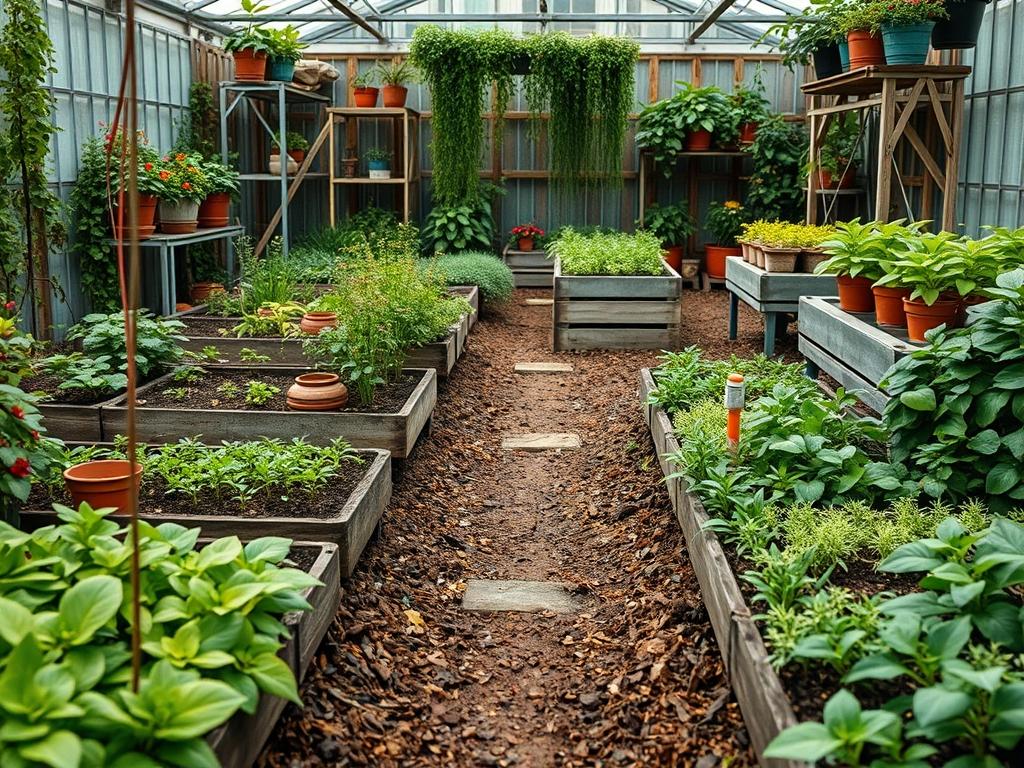
Designing a high performance outdoor living space requires more than just an eye for aesthetics. It demands a technical understanding of how biological systems interact with hardscapes. When an architect approaches a project, the goal is often to create a seamless transition between the interior and the exterior, yet this transition is frequently interrupted by the arrival of pavement ants. These small invaders, known scientifically as Tetramorium caespitum, can quickly compromise the structural integrity and visual appeal of a luxury patio. Effective pavement ant control is not merely a matter of applying a chemical fix; it is an exercise in strategic landscape architecture. By integrating specific drainage solutions, material selections, and horticultural deterrents, a consultant can create a subterranean environment that is inherently inhospitable to these pests. This approach preserves the curb appeal of the home while ensuring that the outdoor environment remains a functional, comfortable extension of the property.
Landscape architecture is the first line of defense against infestation. A well conceived plan manages the movement of water and heat, two primary factors that attract ant colonies to the spaces beneath pavers. If a patio is poorly graded, moisture traps form beneath the stone or brick, providing the perfect humid breeding ground. A senior consultant considers the local climate and native soil composition before the first stone is ever laid. In regions with heavy rainfall, the focus shifts toward rapid percolation and surface runoff. In more arid climates, the concern is the heat island effect created by dark masonry, which can bake the soil and drive ants to seek refuge in the cooler, damp voids of a poorly compacted sub-base.
Landscape Design Principles
Successful pavement ant control begins with a commitment to fundamental design principles such as symmetry and elevation layers. When a patio is designed with clear visual balance, it usually implies a underlying structural balance as well. Elevation is perhaps the most critical architectural tool for pest management. By raising the patio slightly above the surrounding grade, we ensure that gravity pulls excess moisture away from the hardscape. A tiered landscape design allows for a series of retaining walls and drainage channels that prevent the saturation of the subsoil.
Walkway design must prioritize the integrity of the joints. In standard landscaping, the gaps between bricks are the primary entry points for pavement ants. To counter this, architects utilize focal points that direct foot traffic toward areas with solid, reinforced foundations. Irrigation planning also plays a major role. Sprinkler heads should be positioned to avoid total saturation of the patio surface. Instead, a drip irrigation system buried six inches below the surface near the perimeter can provide necessary water to ornamental plants without creating the surface-level dampness that ants crave. By maintaining a sharp edge between the turf and the stone, we create a physical and biological buffer that restricts insect migration.
Plant and Material Selection
The choice of vegetation serves as a biological barrier. Certain plants produce volatile organic compounds and essential oils that act as natural repellents. Integrating these into the planting plan near patio perimeters and entryways provides a fragrant, aesthetic, and functional layer of pavement ant control.
| Plant Type | Sun Exposure | Soil Needs | Water Demand | Growth Speed | Maintenance Level |
| :— | :— | :— | :— | :— | :— |
| Lavandula angustifolia | Full Sun | Well-drained, Sandy | Low | Moderate | Low |
| Mentha piperita | Partial to Full | Moist, Loamy | High | Aggressive | Medium |
| Rosmarinus officinalis | Full Sun | Poor to Average | Low | Moderate | Low |
| Tagetes (Marigold) | Full Sun | Versatile | Moderate | Fast | Low |
| Chrysanthemum | Full Sun | Rich, Well-drained | Moderate | Fast | Medium |
| Nepeta cataria | Full to Partial | Average | Low | Fast | Low |
Implementation Strategy
Building an ant resistant patio requires a step by step approach to ground preparation. The process begins with excavation. A consultant will typically recommend a depth of at least 8 to 12 inches to allow for a proper foundation. Once the soil is removed, a layer of geotextile fabric is laid down. This fabric prevents the mixing of subsoil with the base gravel, which is a major factor in preventing the “pumping” of fine sediments that ants use to build their nests.
Following the fabric, a crushed stone base of about 6 inches is installed and compacted in 2 inch lifts. Compaction is vital; a density of at least 95 percent Proctor density ensures there are no large voids where ants can congregate. The most critical material for pavement ant control is the jointing sand. Instead of traditional masonry sand, the architect specifies Polymeric Sand. This product contains additives that harden when misted with water, creating a flexible but solid “mortar” joint. This hardened joint prevents ants from excavating sand and bringing it to the surface. Furthermore, the use of a concrete haunch or professional grade aluminum edging along the perimeter prevents the pavers from shifting, which keeps the polymeric seals intact over time.
Common Landscaping Failures
The most frequent mistake in patio construction is improper drainage. When water pools on a surface, it eventually finds a micro-crack. This creates a capillary action that keeps the underside of the pavers perpetually damp. Another common failure is root overcrowding. When large trees are planted too close to a patio, the roots can lift the pavers. This creates large underground voids and cracks in the jointing material, providing an open highway for ant colonies to expand.
Soil compaction is often overlooked by DIY enthusiasts. Without a heavy plate compactor, the base will settle unevenly over the first two seasons. This settling breaks the bond of your polymeric sand and creates a playground for pavement ants. Additionally, the over-application of organic mulch can be a detriment. While 3 inches of cedar mulch is excellent for moisture retention around plants, if it is piled against the edge of the stone, it acts as a nesting medium. Finally, irrigation inefficiencies, such as leaky valves or poorly timed cycles, keep the environment too humid, practically inviting a variety of pests to take up residence.
Seasonal Maintenance
To maintain a high standard of pavement ant control, a seasonal management plan is essential. In the spring, the focus is on inspection. After the freeze-thaw cycles of winter, check for any hairline cracks in the joints. This is the ideal time to top off polymeric sand and reseal the stone if necessary. During the summer, monitor the population. If small mounds appear, a natural application of Diatomaceous Earth can be dusted into the cracks. This silica-based powder is non-toxic to pets but physically abrasive to insects.
Autumn maintenance involves clearing organic debris. Falling leaves and decaying plant matter provide cover and food for insects. Power blow the patio surface and ensure the drainage grates are clear of obstructions. In the winter, the primary task is managing snow removal. Avoid using heavy salts that can degrade the structural integrity of the paver surface and the jointing compounds. Instead, use sand for traction or a calcium chloride based melter that is less corrosive to the hardscape materials.
Professional Landscaping FAQ
How does polymeric sand help with pavement ant control?
Unlike loose sand, polymeric sand contains binders that harden when activated by water. This creates a durable barrier that ants cannot easily tunnel through, effectively sealing the joints and preventing them from reaching the surface or building nests underneath.
What is the best way to handle standing water on my patio?
The most effective solution is a combination of proper surface grading, at least 2 percent slope, and the installation of a French drain or channel drain. Removing moisture eliminates the primary resource that attracts pavement ants to your hardscape.
Are there specific mulches that repel ants naturally?
Yes, cedar mulch and cypress mulch contain natural oils that are unpleasant to ants and many other insects. Using these materials in the garden beds immediately adjacent to your patio creates a fragrant and effective natural repellent zone.
Can I use essential oils for natural ant control on my stones?
A mixture of peppermint oil or clove oil with water can be sprayed around the perimeter. While this is a temporary solution, it provides an immediate natural deterrent that does not introduce harsh chemicals into your outdoor living environment or soil.
What role does soil compaction play in pest management?
High density compaction removes the air pockets and voids that ants require for nesting. By using a mechanical plate compactor to reach 95 percent density, you create a solid sub-base that is too dense for ants to navigate or colonize.