
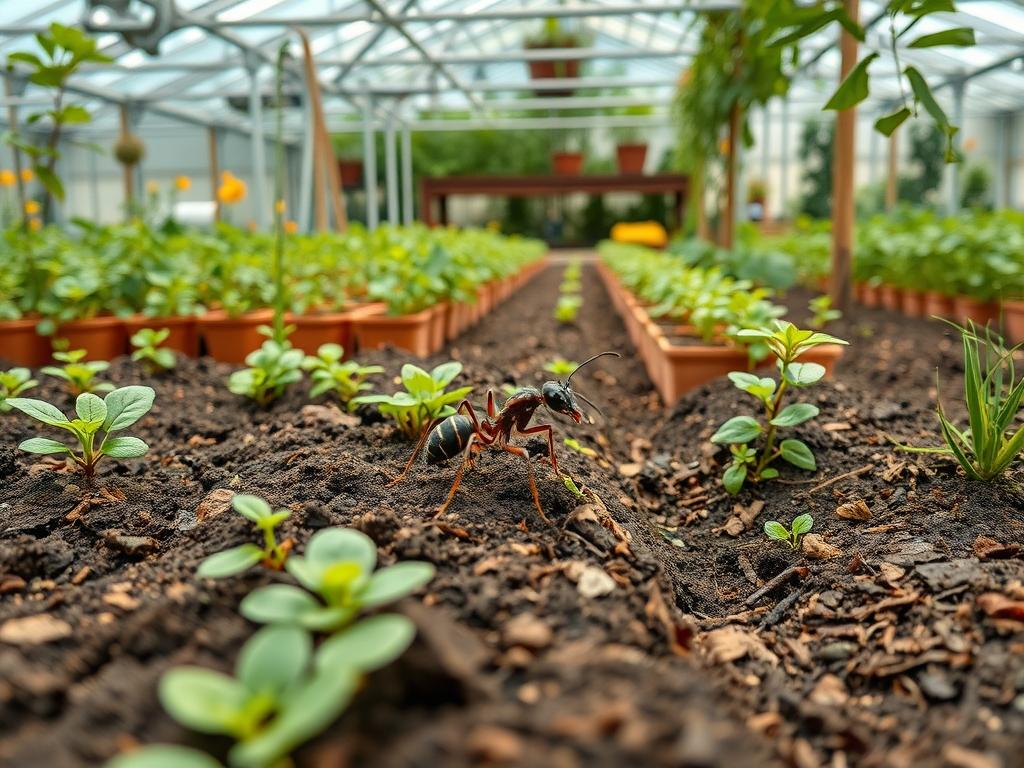
Managing a high end residential landscape involves more than just selecting aesthetically pleasing flora; it requires a deep understanding of the local ecosystem and the potential disruptions caused by local wildlife. One of the most significant challenges for estate owners in arid and semi arid regions is the presence of harvester ants, which can decimate carefully planned turf and ornamental beds. Effective harvester ant identification is the first step in preserving the structural integrity and curb appeal of a property. These insects are known for clearing large, circular patches of vegetation around their nest entrances, creating unsightly bald spots in an otherwise pristine lawn. From a functional perspective, these cleared zones can lead to soil erosion and allow invasive weeds to take root, undermining the landscape architect’s vision. By integrating pest management directly into the design phase, we ensure that the outdoor environment remains both beautiful and sustainable.
Landscape Design Principles
Successful garden planning relies on the core tenets of symmetry, focal points, and elevation layers. When dealing with pests like harvester ants, these principles serve a dual purpose: aesthetic excellence and ease of monitoring. Symmetry in a garden allows a property owner to quickly notice disruptions in the landscape. If one side of a gated entrance features lush groundcover and the other shows a denuded patch of soil, harvester ant identification becomes immediate. Focal points, such as large Basalt Boulders or custom water features, should be surrounded by materials that do not facilitate nesting.
Elevation plays a critical role in how we perceive and manage the ground plane. By using Retaining Walls built from Limestone or Stacked Slate, we create vertical separation that can discourage ant colonies from moving into high traffic areas. Irrigation planning must be precise, as harvester ants are often attracted to the consistent moisture found near leaky emitters. Walkways should be constructed using a solid sub base of crushed stone and topped with large pavers to minimize the available soil surface for nest entrances. Visual balance is maintained by ensuring that any necessary preventative measures, such as gravel borders, are integrated into the overall geometric pattern of the site.
Plant and Material Selection
Choosing the right materials and vegetation is vital for long term maintenance and pest prevention. Certain plants are more resilient to the seed harvesting activities of these ants, while specific mulch types can either hide or highlight their presence.
| Plant Type | Sun Exposure | Soil Needs | Water Demand | Growth Speed | Maintenance Level |
| :— | :— | :— | :— | :— | :— |
| Desert Willow | Full Sun | Well-drained | Low | Moderate | Low |
| Lantana | Full Sun | Adaptable | Low | Fast | Medium |
| Yellow Bells | Full Sun | Sandy/Loam | Moderate | Fast | Low |
| Blue Grama Grass | Full Sun | Poor to Fair | Very Low | Slow | Low |
| Agave Americana | Full Sun | Rocky/Sandy | Very Low | Slow | Low |
| Texas Sage | Full Sun | Alkaline | Low | Moderate | Low |
For hardscaping, using Decomposed Granite or Pea Gravel in open areas makes harvester ant identification much simpler. The ants typically clear a 3 foot to 6 foot radius of debris around their mounds; on a gravel surface, the accumulation of displaced soil becomes a clear indicator of their activity.
Implementation Strategy
The process of laying out a backyard or professional garden begins with a comprehensive site survey and grading plan. To prevent harvester ants from establishing large colonies near the foundation or primary garden beds, proper grading must ensure that water moves away from the structural elements of the landscape. Start by clearing the area and applying a heavy duty Geotextile Fabric to act as a barrier between the soil and your decorative top layers.
When planning the layout, use Steel Edging or Aluminum Landscape Edging to create crisp boundaries between lawn areas and planting beds. This edging should be installed at least 4 inches deep to provide a physical deterrent for various crawling insects. For mulch, apply a layer of Cedar Mulch or Hardwood Bark at a depth of 3 inches. Avoid thinner layers, as they do not provide adequate soil insulation or moisture retention, leading to stressed plants that are more vulnerable to environmental pressures.
Incorporate hardscaping elements like Flagstone patios and Stone walkways early in the implementation phase. Ensure that the joints between stones are filled with Polymeric Sand, which hardens to prevent ants from excavating through the gaps. If a colony is identified during this phase, it is easier to manage before the final planting of sensitive species begins.
Common Landscaping Failures
One of the most frequent mistakes in professional landscaping is the failure to address drainage. Standing water or oversaturated soil not only rots transition zone root systems but also creates an environment where pests thrive. Irrigation inefficiencies, such as misaligned spray heads that drench the trunks of Oak Trees or Maples, can lead to fungal issues and attract foragers.
Root overcrowding is another significant issue. When plants are spaced too closely together, air circulation is restricted and the ground becomes a hidden sanctuary for pests. Proper harvester ant identification is nearly impossible when the ground is obscured by dense, overgrown shrubbery. Soil compaction is equally problematic; it prevents water from reaching the root zone and forces ants to move to the surface or toward the looser soil of your ornamental pots. Using a Core Aerator on a regular basis can alleviate compaction in turf areas, ensuring that the soil remains healthy and less conducive to large scale nesting.
Seasonal Maintenance
Landscape management is a year round commitment that changes with the weather. In the spring, the focus should be on recovery and growth. This is the prime time for harvester ant identification as the colony becomes active and begins clearing new vegetation. Use a Trowel to inspect any suspicious bare patches and refresh your Mulch to maintain that 3 inch protective barrier.
During the summer, the priority shifts to hydration and heat stress management. Monitor your irrigation system for leaks every 30 days. Harvester ants are most active in the early morning and late evening during peak summer heat. In the autumn, focus on debris removal. Fallen leaves and organic matter can provide cover for ant mounds, so use a Leaf Blower or Rake to keep the ground plane clear.
Winter is the time for structural pruning and dormant oil applications. While harvester ants are less active during the cold months, they remain deep in their colonies. This is the ideal window to renovate hardscaping, repair Retaining Walls, and plan for the upcoming growing season without the immediate pressure of active pest populations.
Professional Landscaping FAQ
How does harvester ant identification help my garden?
By spotting mounds early, you prevent the destruction of expensive groundcover and turf. Early identification allows for localized management before the colony clears large circular zones that ruin the visual symmetry and balance of your professional design.
What is the best mulch depth for pest prevention?
A depth of 3 inches is ideal for moisture retention and weed suppression. While it does not stop ants entirely, a consistent layer of heavy mulch like Cedar makes it easier to spot the excavated soil of a new mound.
Can hardscaping prevent ant colonies from forming?
Solid surfaces like Polymeric Sand filled pavers and Concrete patios reduce the amount of exposed soil available for nesting. Using a compact base of Crushed Limestone creates a dense barrier that is difficult for insects to penetrate easily.
Do native plants attract more harvester ants?
Native plants are adapted to the local environment and generally more resilient. However, harvester ants are seed collectors. Choosing plants with smaller seed profiles or those that produce less litter can reduce the food source and foraging activity.
How often should I check my irrigation for leaks?
A professional inspection should occur every 30 days during the peak growing season. Leaks create soft, moist soil pockets that are highly attractive to harvester ants and can lead to rapid colony expansion in high value garden beds.