
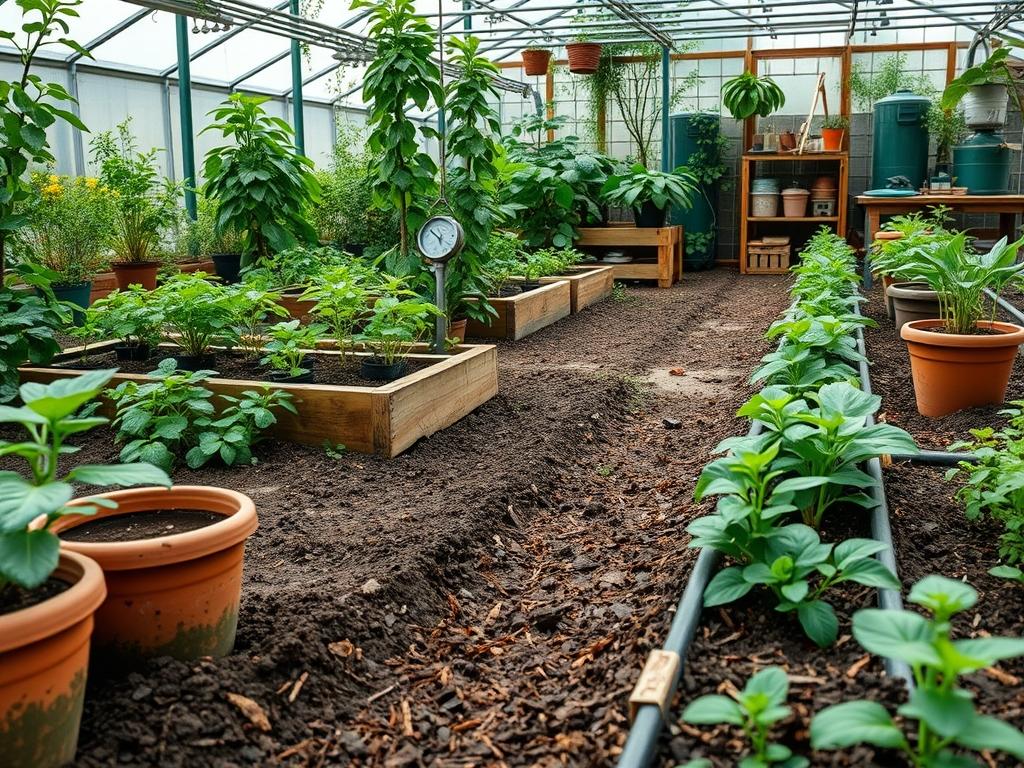
Designing a high-quality outdoor environment requires more than just aesthetic intuition; it demands a deep understanding of the biological indicators that exist beneath the soil surface. When homeowners or contractors disturb the ground for a new installation, they might encounter a distinct, citrus-like aroma. This scent is the primary hallmark of the Lasius interjectus, a subterranean species commonly known as the Citronella Ant. A professional approach to Citronella Ant Basics begins with the recognition that these insects are not structural threats like termites, but rather indicators of soil moisture levels and root-level biological activity. A professional landscape plan balances the desire for incredible curb appeal with the functional reality of managing these hidden inhabitants. By focusing on drainage, proper grading, and plant health, we create environments that are both visually stunning and biologically stable.
The integration of functional landscaping with pest awareness is essential for long-term property value. When we design for curb appeal, we are often working with Elevation, Symmetry, and Texture. However, if the sub-surface environment is neglected, the most beautiful Perennial garden can become a breeding ground for moisture-loving insects. These ants specifically tend to underground aphids that feed on the roots of your ornamental shrubs. Therefore, a landscape architect must view the presence of a “lemon scent” during excavation as a sign to evaluate the site’s Irrigation efficiency and soil Porosity. Addressing these factors early ensures that the outdoor living space remains a sanctuary rather than a source of frustration.
Landscape Design Principles
Symmetry and visual balance serve as the foundation of any professional site plan. We use focal points, such as a large Specimen Tree or a custom Stone Fountain, to draw the eye and create a sense of order. However, true design excellence lies in the layers that are not immediately visible. Elevation changes must be handled with precision through the use of Retaining Walls and tiered planting beds. These structures do more than create visual interest; they manage the flow of water across the property. Proper Grading ensures that water moves away from the home’s foundation at a slope of at least 2 percent, which reduces the damp conditions that attract Citronella Ants.
Walkways and paths should be designed with both ergonomics and drainage in mind. Using Permeable Pavers allows rainwater to infiltrate the ground naturally, preventing the stagnant, oversaturated soil conditions that encourage subterranean pests to thrive. When we plan the Irrigation System, we divide the property into specific hydro-zones. This ensures that drought-tolerant species are not overwatered while thirstier plants receive adequate hydration. Visual balance is achieved when the height of the Hardscape elements complements the maturity of the Plant Material, creating a cohesive environment that feels established and intentional.
Plant and Material Selection
Selecting the right materials is a technical process that involves analyzing the Hardiness Zone and soil pH levels. The following table outlines several common selections for a balanced landscape.
| Plant Type | Sun Exposure | Soil Needs | Water Demand | Growth Speed | Maintenance Level |
| :— | :— | :— | :— | :— | :— |
| Lavender (Lavandula) | Full Sun | Well-drained, sandy | Low | Medium | Light pruning |
| Boxwood (Buxus) | Part Shade | Loamy, neutral | Moderate | Slow | Shaping twice yearly |
| River Birch (Betula nigra) | Full/Partial | Moist, acidic | High | Fast | Minimal |
| Switchgrass (Panicum) | Full Sun | Adaptable | Low | Fast | Annual cut back |
| Hostas (Hosta spp.) | Shade | Rich, organic | Moderate | Medium | Divide every 3 years |
| Creeping Thyme | Full Sun | Gritty, poor soil | Low | Medium | Very Low |
In addition to plant life, the choice of Mulch and Aggregates impacts the ecosystem. Double-Shredded Bark Mulch provides excellent moisture retention for plants, but it should never exceed a depth of 3 inches. If the mulch layer is too thick, it creates a fermented environment that attracts various insects. For areas near the foundation where Citronella Ant Basics are a concern, using River Rock or Crushed Granite provides a decorative finish without holding the excessive moisture that organic materials might retain.
Implementation Strategy
The transition from a blueprint to a finished landscape requires a disciplined implementation strategy. The process starts with site clearing and Rough Grading. This is the stage where the primary drainage patterns are established. If the site has heavy clay soil, we may install a French Drain or a series of Catch Basins to redirect excess surface water. This infrastructure is vital because Citronella Ants are often found under Large Rocks, Logs, or concrete slabs where moisture is trapped.
Once the drainage is secured, we move to Edging and Hardscaping. Defining the borders of planting beds with Steel Edging or Paver Bricks prevents grass from encroaching and gives the design a clean, professional finish. During the planting phase, each hole should be dug at least 2 times the width of the root ball to encourage outward root growth. We incorporate Soil Amendments like Compost or Leaf Mold to improve the structure of the native earth. After the plants are set, a consistent application of Slow-Release Fertilizer provides the nutrients necessary for establishment without causing the rapid, weak growth that attracts aphids and their ant protectors.
Common Landscaping Failures
One of the most frequent mistakes in residential landscaping is the “Mulch Volcano.” This occurs when workers pile Mulch high against the trunks of trees. This practice traps moisture against the bark, leading to rot and providing a perfect nesting site for insects that emit that signature lemon scent. Another common failure is root overcrowding. When plants are placed too close together, they compete for resources and restrict airflow. This lack of circulation creates a humid microclimate that is highly susceptible to fungal diseases and pest infestations.
Soil compaction is another silent killer of beautiful landscapes. Heavy machinery used during construction can compress the soil, destroying the tiny pockets of air and water that roots need to survive. This often results in “puddling” on the lawn. Furthermore, improper Irrigation timing can lead to disaster. Watering in the late evening keeps the foliage wet overnight, which invites pathogens. A professional Smart Controller should be programmed to water in the early morning hours, allowing the rising sun to dry the leaves while the moisture soaks deep into the root zone.
Seasonal Maintenance
A landscape is a living investment that requires different types of care as the seasons change. In the Spring, the focus is on renewal. This includes applying a Pre-emergent Herbicide to prevent weed seeds from germinating and performing a “spring clean” of all planting beds. We also check the Irrigation Valves and Spray Heads for any damage caused by winter freezing. This is the best time to thin out any overly dense shrubs to improve light penetration.
During the Summer, the priority shifts to moisture management. As temperatures rise, the evaporation rate increases. We monitor the soil around Foundation Plantings to ensure it remains hydrated but not waterlogged. The Autumn season is particularly significant for those interested in Citronella Ant Basics because this is typically when the winged “swarmers” emerge. If you see flying insects near your patio or walkway during the fall, check for that lemon scent. It is often a sign that you should aerate your lawn to improve drainage before the winter rains arrive. Finally, Winter is the time for Dormant Pruning of deciduous trees and inspecting all Hardscape elements for cracks or shifting caused by the freeze-thaw cycle.
Professional Landscaping FAQ
What causes the lemon scent when I dig in my garden?
The scent is produced by Citronella Ants as a defense mechanism. They contain chemicals like citronellal which are released when they are disturbed. It is a biological signal that you have encountered a colony living in the soil or under structures.
Are these ants going to damage my home like termites?
No, these ants do not eat wood or damage man-made structures. They are subterranean and primarily feed on the honeydew produced by aphids. They are considered a nuisance pest rather than a structural threat to your property or foundation.
How can I reduce the number of ants in my landscape?
Focus on moisture control by improving your Grading and ensuring your Gutters discharge away from planting beds. Reducing the population of root-feeding aphids will also naturally decrease the ant population by removing their primary food source in the soil.
Is it safe to use mulch near my house foundation?
Yes, but you must maintain a gap. Keep Mulch at least 6 inches away from any wood siding or framing. Use a thin layer, and consider using Inorganic Materials like stone immediately against the foundation to prevent moisture buildup and pest nesting.
Why do I see winged ants in the late autumn?
These are the reproductive members of the colony, often called swarmers. They emerge to mate and start new colonies. While they can be startling, their presence in the fall is a natural part of their life cycle and usually temporary.