
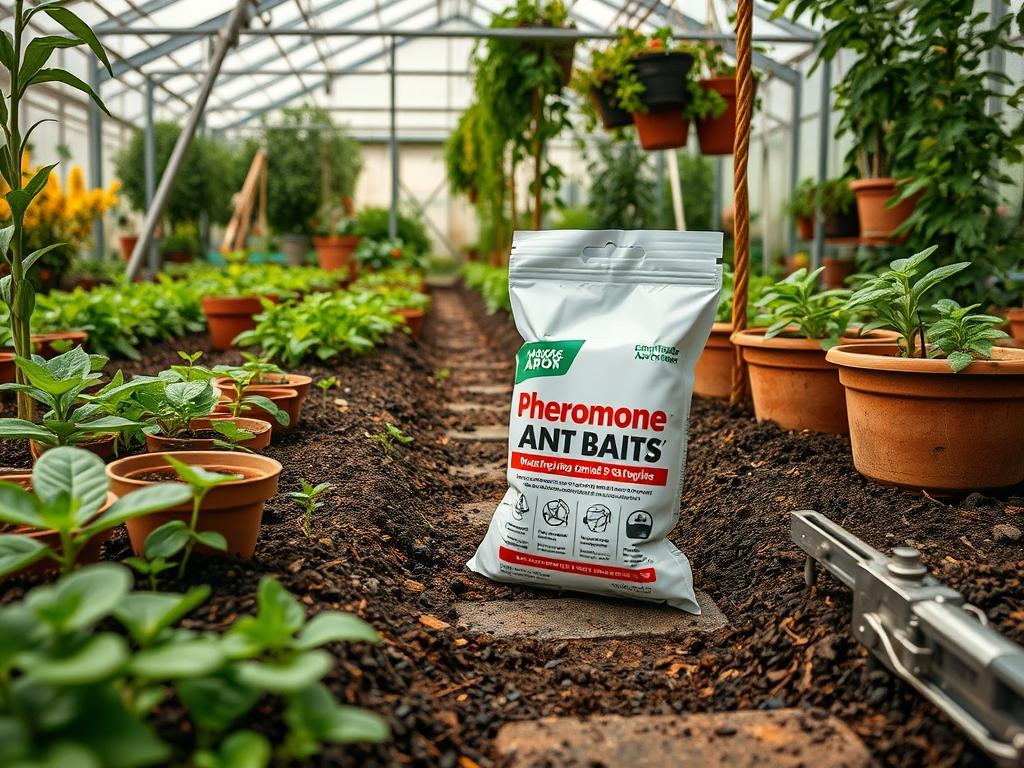
Creating a cohesive and resilient outdoor environment requires more than just an aesthetic eye for color and texture. It demands a deep understanding of the biological and structural stresses that can compromise a property over time. When we design a landscape, we are constructing a living ecosystem where every element, from the Crushed Granite pathways to the Evergreen Shrubs, must coexist with local wildlife and soil microfauna. A significant challenge in maintaining high-end curb appeal is the management of invasive pests that disrupt the structural integrity of hardscaping and the health of ornamental beds. In many temperate and subtropical climates, ant colonies can undermine Retaining Walls and displace leveling sand beneath Pavers, leading to costly repairs and unsightly shifting. To address these issues without compromising the ecological balance of the garden, modern landscape architects increasingly rely on targeted solutions like Pheromone Ant Baits. These systems utilize the natural foraging behaviors of the insects, drawing them away from vulnerable plant roots and architectural foundations toward a controlled baiting station. By integrating these management tools into the initial design phase, we ensure that the outdoor living space remains functional and pristine for years to come.
Landscape Design Principles
A successful landscape relies on a foundation of symmetry and visual balance, which anchors the property and guides the eye toward specific focal points. Whether we are designing a formal English garden or a minimalist contemporary retreat, the use of elevation layers is essential. We create depth by placing taller Specimen Trees at the rear of the property and scaling down to Ornamental Grasses and low-growing Groundcovers near the primary viewing areas. This layering does more than provide visual interest; it creates distinct microclimates and helps manage solar gain across the site. Within this framework, irrigation planning must be precise. Over-watering can lead to saturated soil conditions that attract foraging ants and other wood-destroying organisms. By utilizing Drip Irrigation Lines rather than overhead sprayers, we can deliver moisture directly to the root zones, keeping the surface mulch dry and less hospitable to pests.
Walkway design and material selection also play a critical role in the long-term stability of the landscape. We often utilize Flagstone or Permeable Pavers to allow for natural water infiltration, which reduces runoff and prevents soil erosion. However, the sandy base required for these materials is a prime nesting site for colonies. This is where the strategic placement of Pheromone Ant Baits becomes a design consideration. By concealing these stations within Perennial Borders or behind Low-Voltage Lighting fixtures, we can maintain the “Invisible Infrastructure” of the garden. The goal is to provide a seamless transition between the built environment and the natural one, using focal points like a Custom Water Feature or a Cortin Steel Planter to draw attention, while the functional management tools work quietly in the background.
Plant and Material Selection
Selecting the right plant palette involves evaluating site-specific data such as USDA hardiness zones, soil pH, and sunlight duration. The following table outlines several high-performance selections often used in modern professional landscaping projects.
| Plant Type | Sun Exposure | Soil Needs | Water Demand | Growth Speed | Maintenance Level |
| :— | :— | :— | :— | :— | :— |
| Boxwood (Buxus) | Full Sun to Shade | Well-Drained | Moderate | Slow | Moderate |
| Lavender (Lavandula) | Full Sun | Sandy/Lean | Low | Medium | Low |
| Hosta (Hosta spp.) | Part to Full Shade | Rich/Moist | High | Medium | Low |
| Fescue Grass | Full Sun to Part Shade | Loamy | Moderate | Fast | High |
| Dwarf Palmetto | Part Sun | Sandy/Boggy | High | Slow | Low |
| Japanese Maple | Filtered Sun | Acidic/Loamy | Moderate | Slow | High |
Implementation Strategy
The implementation process begins with a comprehensive site analysis and grading plan. Proper grading is the most critical step in backyard layout planning, as it ensures that water moves away from the foundation of the home and toward designated drainage areas such as a Rain Garden or a French Drain. We typically recommend a slope of at least 2 Percent for lawn areas to prevent standing water. Once the grade is established, we define the beds using Steel Edging or Bender Board, which creates a clean, architectural line between the turf and the planting areas.
When installing mulch, thickness is paramount for moisture retention and weed suppression. A layer of 3 Inches of Triple-Shredded Hardwood Mulch is the industry standard. However, thick organic mulch can also serve as a highway for ant trails. To mitigate this, we integrate Pheromone Ant Baits at the perimeter of the mulch lines. These baits use synthetic versions of the chemical signals ants use to communicate, effectively redirecting their traffic patterns away from the home’s threshold. For hardscaping, we ensure that all Sand-Set Pavers are treated with Polymeric Sand in the joints. This material hardens when swept and misted, creating a barrier that resists insect penetration and weed growth. By combining these physical barriers with biological controls like pheromone-based systems, we create a multi-layered defense for the landscape.
Common Landscaping Failures
The most frequent failure in residential landscaping is improper drainage. When water is allowed to pool near Concrete Footings or underneath Deck Joists, it creates a high-moisture environment that invites structural pests and fungal pathogens. Another common error is root overcrowding. Designing with the “mature width” of a plant in mind is essential. For instance, planting a Leyland Cypress too close to a Property Line or a Utility Box will eventually lead to soil compaction and competition for nutrients, weakening the plants and making them susceptible to infestation.
Irrigation inefficiency is a silent killer of professional designs. Often, homeowners increase their water frequency to combat wilting plants without realizing that the soil is already compacted and anaerobic. This excess moisture, combined with poor airflow, creates a perfect habitat for pests to flourish. Furthermore, failing to account for the chemical signaling of local insects can lead to recurring issues. If a landscape designer ignores the presence of established ant mounds during the grading phase, the colonies will simply relocate into the new, soft soil of the garden beds. Utilizing Pheromone Ant Baits during the first season after installation can intercept these colonies before they become a permanent nuisance.
Seasonal Maintenance
Landscape management is a year-round commitment that changes with the cycles of the environment. In the Spring, the focus is on cleanup and rejuvenation. This includes pruning Deciduous Trees, applying a pre-emergent herbicide to the lawn, and refreshing the mulch beds. It is also the most critical time to deploy Pheromone Ant Baits as the weather warms and colonies become active for the foraging season.
During the Summer, the priority shifts to water management. We monitor the Irrigation Controller for proper timing, adjusting for heat waves to prevent plant stress. Mid-summer is also when we check the bait stations to ensure they are stocked and functioning, as high temperatures can increase ant activity. As Autumn arrives, we begin the process of “putting the garden to bed.” This involves planting Spring-Flowering Bulbs, aerating the turf, and removing leaf litter that can harbor pathogens over the winter. Finally, in the Winter, maintenance focuses on structural upkeep. We inspect Stone Walls for movement, prune for winter interest, and plan for any hardscape expansions for the following year. Consistent monitoring throughout these seasons ensures that the architectural intent of the landscape remains intact.
Professional Landscaping FAQ
What are the primary benefits of using pheromone-based systems?
Unlike traditional sprays, Pheromone Ant Baits target specific species by mimicking their natural communication signals. This reduces the need for broad-spectrum chemicals, making the garden safer for beneficial insects like bees and butterflies while maintaining a pest-free environment.
How often should I refresh the mulch in my garden beds?
Professional landscape consultants recommend refreshing organic mulch once per year. A 3-Inch layer helps regulate soil temperature and retain moisture. Always clear old mulch away from the base of Ornamental Trees to prevent bark rot and pest entry.
Can ants actually damage my expensive stone patio?
Yes, certain species excavate the leveling sand beneath Flagstone or Pavers, causing them to sink or become uneven. Integrating Pheromone Ant Baits near the patio perimeter prevents the colony from establishing these destructive nests under your hardscaping.
What is the best way to handle poor soil drainage?
The most effective solution is installing a French Drain or a Dry Well. These systems collect excess surface water and redirect it to a lower elevation, preventing the soggy soil conditions that stress plant roots and attract unwanted moisture-loving pests.
When is the best time to plant new specimen trees?
The ideal windows are Early Spring or Late Autumn. During these cooler periods, the tree can focus its energy on root establishment rather than foliage growth or heat resistance. Proper planting at these times ensures long-term structural health for the specimen.