
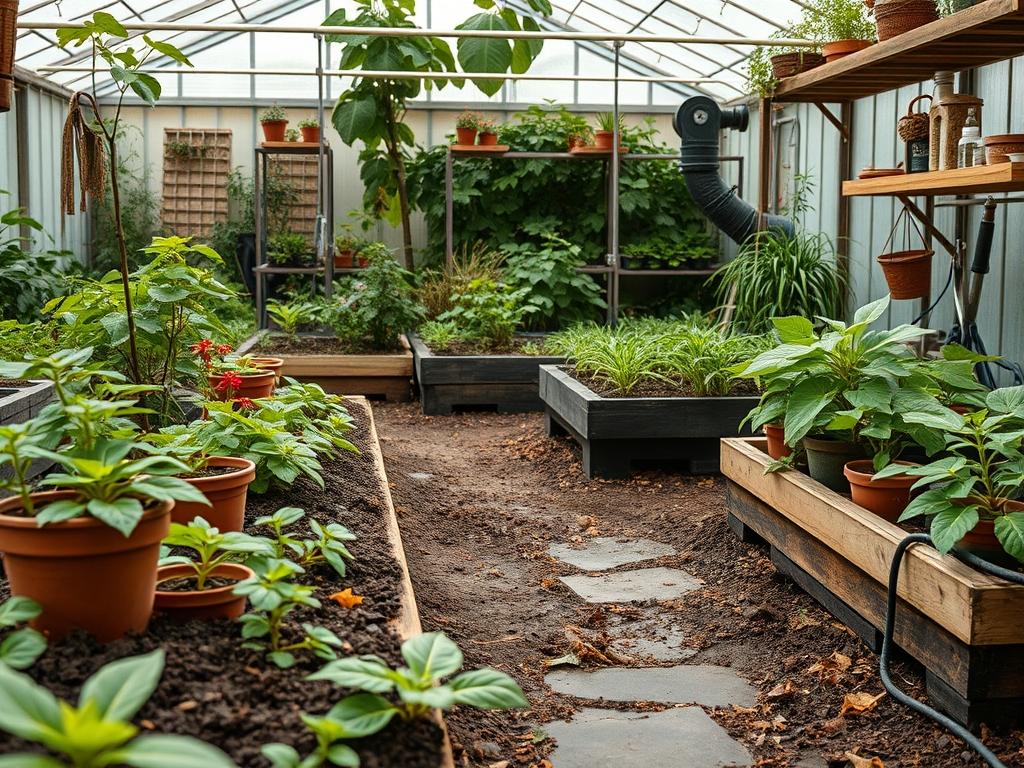
Effective landscape architecture serves as the primary gateway between the untamed natural world and the controlled interior environment. When we design a residential or commercial site, we are not merely selecting aesthetic flora; we are managing a complex ecosystem that dictates everything from water runoff to pest migration. A common landscaping challenge involves the delicate balance of creating lush, hydrated zones without inviting structural invaders like ants or termites. Proper site planning focuses on climate considerations and curb appeal while maintaining a functional barrier that protects the home. By integrating high-quality hardscaping with strategic plant placement, we ensure that the outdoor living space enhances the property value and the quality of life for its inhabitants.
The integration of natural deterrents begins at the perimeter. While many homeowners look to chemical solutions, a senior consultant views the landscape as the first line of defense. The transition from the garden to the interior should be managed through meticulous grading and the selection of materials that do not harbor excessive moisture or organic decay near the foundation. This is where the application of Cinnamon for Ant Defense transitions from a garden planning concept to an indoor implementation. When the outdoor environment is designed correctly, using organic compounds like cinnamon indoors becomes a targeted, efficient choice rather than a desperate measure against a massive infestation.
Landscape Design Principles
Successful garden planning relies on the fundamental pillars of symmetry, focal points, and elevation layers. Symmetry provides a sense of order and serenity, often achieved through mirrored plantings or balanced hardscape features. However, functional design goes deeper than visual appeal. We must consider the elevation of the land to ensure that water moves away from the building footings. High-moisture areas near the foundation are prime breeding grounds for insects. By using retaining walls and terracing, we can control the flow of water and prevent the soil compaction that often leads to drainage failures.
Focal points, such as a central sculpture or a specimen tree like a Japanese Maple, draw the eye and provide structure to the space. Around these focal points, we plan irrigation systems that use drip emitters rather than broad sprayers. This precision reduces wasted water and keeps the top layer of mulch dry, which is critical for deterring pests. Furthermore, walkways should be constructed with a slight cross-slope of 1% to 2% to prevent pooling. When we design these hardscape elements, we use crushed stone or pavers with stable base layers to ensure longevity and minimal maintenance. Visual balance is achieved when the height of the plantings complements the architectural lines of the home, creating a seamless transition from the heights of the trees down to the groundcover.
Plant and Material Selection
Selecting the right biological components is essential for a resilient landscape. We prioritize native plants because they are adapted to the local climate and require fewer inputs. Below is a detailed selection of plants that offer both aesthetic value and functional benefits for a pest-resistant perimeter.
| Plant Type | Sun Exposure | Soil Needs | Water Demand | Growth Speed | Maintenance Level |
| :— | :— | :— | :— | :— | :— |
| Lavandula angustifolia | Full Sun | Well-drained | Low | Medium | Moderate |
| Rosmarinus officinalis | Full Sun | Sandy/Loamy | Low | Fast | Low |
| Buxus sempervirens | Partial Shade | Moist/Drained | Medium | Slow | High (Pruning) |
| Mentha piperita | Partial Sun | Moist | High | Invasive | Low |
| Juniperus virginiana | Full Sun | Versatile | Low | Medium | Low |
| Nepeta cataria | Full Sun | Average | Low | Fast | Moderate |
When selecting these species, consider how their natural oils act as deterrents. For example, Rosmarinus officinalis produces a scent that many insects find repulsive, mirroring the effectiveness of aromatic spices used in indoor pest management.
Implementation Strategy
The execution of a landscape plan requires a systematic approach, starting with grading. Using a laser level and transit, we ensure the soil slopes away from the house at a minimum of one quarter inch per foot. This prevented hydrostatic pressure from building up against the foundation. Once the grade is established, we install edging materials like powder-coated aluminum or tumbled stone to create clean borders between the turf and the planting beds. These borders are not just for aesthetics; they prevent the migration of roots and help contain the mulch.
For mulch application, we recommend a depth of exactly 3 inches. Deep mulch can become a habitat for unwanted pests, while shallow mulch fails to retain necessary soil moisture for the plants. Use cedar mulch if possible, as it contains natural thujone which acts as an insect repellent. Hardscaping elements, such as stone patios or retaining walls, should be installed with a 6-inch base of compacted 21A gravel and a 1-inch leveling layer of sand. During the installation of these areas, always incorporate geotextile fabric to suppress weeds without obstructing the vertical movement of air and water. Finally, the planting process involves digging holes twice the width of the root ball and backfilling with a mix of native soil and organic compost to ensure quick establishment.
Common Landscaping Failures
One of the most frequent errors in professional landscaping is improper drainage. When water is allowed to pool near the structure, it creates a damp environment that attracts ants and other wood-destroying organisms. This is often caused by clogged French drains or incorrectly positioned downspout extensions. Another pervasive issue is root overcrowding. Homeowners often plant for immediate fullness without considering the mature spread of a species. Overcrowding leads to poor air circulation, which invites fungal diseases and provides a sheltered highway for pests to reach the house.
Soil compaction is a silent killer in the garden. When heavy machinery is used during construction without subsequent aeration, the soil loses its pore space. This prevents roots from accessing oxygen and stops water from infiltrating the ground, leading to runoff and erosion. Additionally, irrigation inefficiencies contribute to many failures. Over-watering not only wastes a precious resource but also promotes shallow root systems that cannot withstand drought. The goal should always be deep, infrequent watering that encourages roots to seek moisture further down in the soil profile.
Seasonal Maintenance
Seasonal management is the key to preserving the structural integrity of your landscape. In the spring, the focus is on aeration and pre-emergent weed control. This is the time to inspect the irrigation heads for winter damage and to refresh the mulch layers. Pruning should be done on summer-flowering shrubs to encourage new growth.
During the summer, the priority shifts to moisture management. Deep watering should be scheduled during the early morning hours to minimize evaporation. Monitor for signs of heat stress or pest infestations. In many cases, if you notice ants moving toward the house during a dry spell, they are searching for water. This is a prime time to check your indoor Cinnamon for Ant Defense barriers at entry points.
The autumn brings the task of leaf removal and winterization. Leaves left on the turf can create a suffocating mat that leads to snow mold. This is also the best time for planting deciduous trees and perennials, as the cooler temperatures and increased rainfall support root development. Finally, in winter, maintenance involves protecting sensitive plants from frost and ensuring that heavy snow loads do not break the branches of structural evergreens. Ensure that all outdoor faucets are drained and shut off to prevent pipe bursts.
Professional Landscaping FAQ
How does mulch depth affect pest control?
Maintaining a 3-inch depth of cedar mulch provides a barrier that discourages pest nesting. Excessive depth creates a moist, subterranean environment that invites ants to colonize near your foundation, whereas proper depth regulates soil temperature and moisture.
What is the best way to prevent water pooling?
A professional grading strategy is essential. Ensure a 2% slope away from all structures. If the terrain is flat, installing a French drain or a dry creek bed with river rock can effectively redirect excess surface water.
Can plants actually repel ants from the house?
Species like Lavandula and Mentha piperita contain essential oils that interfere with insect pheromone trails. While not as absolute as a physical barrier, these plants create a fragrant perimeter that reduces the likelihood of scouts entering the home.
Why is soil aeration important for garden health?
Aeration breaks up soil compaction, allowing oxygen, water, and nutrients to reach the root zone. Healthy, vigorous plants are more resilient against pests and diseases, reducing the need for intensive chemical interventions and supporting a balanced ecosystem.
When should I prune my ornamental grasses?
Ornamental grasses should be cut back to about 4 inches in late winter or very early spring before new growth begins. This provides winter interest and habitat for beneficial insects while ensuring a clean start for the upcoming growing season.