
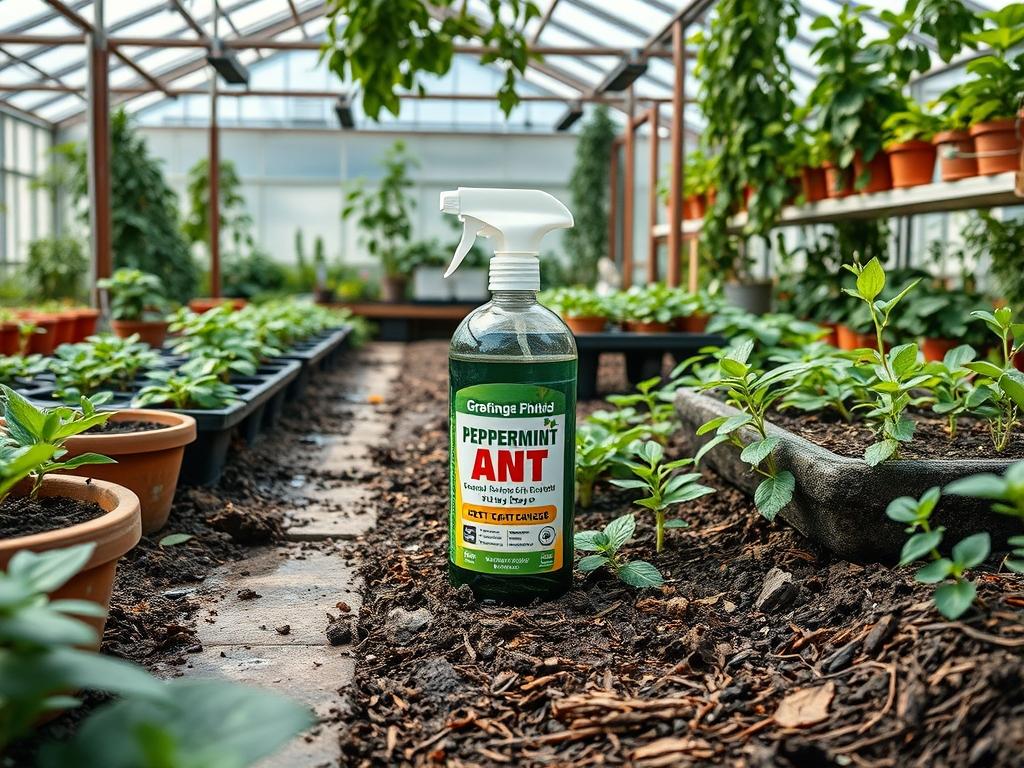
Professional landscape architecture requires a delicate balance between aesthetic ambition and ecological pragmatism. When designing a high-end outdoor environment, every element, from the structural integrity of a retaining wall to the delicate scent profile of a flowering border, contributes to the property’s overall value and functionality. A primary challenge in maintaining these spaces is the mitigation of pests that can undermine hardscape stability and plant health. Utilizing a Peppermint Oil Ant Spray offers a sophisticated, non-toxic solution for managing ant colonies that often target the vulnerable joints of paver walkways or the root zones of ornamental shrubs. By integrating natural deterrents into a comprehensive maintenance plan, property owners can preserve their curb appeal without introducing harsh synthetic chemicals into the local watershed, ensuring that the landscape remains both beautiful and environmentally responsible.
Effective planning begins with a thorough site analysis that considers climate zones, prevailing wind patterns, and the existing topography. A landscape is more than a collection of plants; it is an outdoor living room that requires careful zoning for activities like dining, relaxation, and recreation. High-performing designs prioritize long-term sustainability by selecting materials that weather gracefully and plants that thrive in their specific microclimates. The goal is to create a seamless transition between the interior architecture and the external environment, using visual cues and structural markers to guide the eye and the movement of guests through the space.
Landscape Design Principles
Modern landscape design is rooted in the concepts of symmetry and visual balance, which provide a sense of order and tranquility. Achieving this requires a clear understanding of focal points, such as a multi-stemmed Japanese Maple or a custom-built stone water feature, which act as the anchor for the surrounding vegetation. These focal points are complemented by elevation layers, where the designer uses varying heights of plant material to create depth and vertical interest. The foreground might feature low-lying creeping thyme, while the mid-ground utilizes perennial grasses and the background is defined by a dense evergreen screen.
Circulation and walkways are the skeletal structure of the garden, dictating how an individual interacts with the environment. A well-designed path uses high-quality materials like natural bluestone or thermally modified wood to provide a stable walking surface that resists shifting over time. Beneath these surfaces, irrigation planning is paramount. Smart irrigation systems, equipped with weather sensors and drip emitters, deliver precise amounts of water directly to the root zones, minimizing runoff and evaporation. This targeted hydration prevents the moisture fluctuations that can attract pests and weaken the structural integrity of the soil, making the application of a Peppermint Oil Ant Spray even more effective as a localized treatment for peripheral areas.
Plant and Material Selection
| Plant Type | Sun Exposure | Soil Needs | Water Demand | Growth Speed | Maintenance Level |
| :— | :— | :— | :— | :— | :— |
| English Lavender | Full Sun | Well-drained, Sandy | Low | Moderate | Low |
| Boxwood Hedge | Full to Part Sun | Rich, Loamy | Moderate | Slow | Moderate |
| Feather Reed Grass | Full Sun | Clay or Loam | Moderate | Fast | Low |
| River Birch | Full to Part Sun | Moist, Acidic | High | Fast | Moderate |
| Hostas | Full to Part Shade | Rich, Organic | Moderate | Moderate | Low |
Implementation Strategy
The successful execution of a landscape plan depends on the quality of the site preparation, beginning with professional grading. Proper grading ensures that surface water is directed away from the home’s foundation and into designated bioswales or french drains. This prevents the puddling and soil saturation that can lead to fungal diseases and attract unwanted insects. Once the grade is established, the installation of edging materials, such as heavy-gauge steel or paver restraints, provides a crisp definition between lawn areas and planting beds, preventing the migration of turf grass into ornamental zones.
After the structural elements and larger specimen trees are in place, the application of mulch is critical. A 3-inch layer of double-shredded hardwood mulch or pine bark nuggets serves multiple purposes: it retains soil moisture, regulates temperature, and suppresses weed growth. In areas where ants and other crawling insects are a concern, a Peppermint Oil Ant Spray can be applied to the perimeter of these mulched beds and near entry points of the home. This creates a natural olfactory barrier that disrupts pheromone trails. Finally, hardscaping projects should utilize a compacted gravel sub-base and polymeric sand in the joints to provide a durable, weed-resistant surface that stands up to the elements and heavy foot traffic.
Common Landscaping Failures
One of the most frequent errors in residential landscaping is the neglect of proper drainage. When water is allowed to stagnate, it creates localized anaerobic conditions that can kill even the hardiest perennials and cause expensive retaining walls to fail due to excessive hydrostatic pressure. Similarly, root overcrowding occurs when designers fail to account for the mature size of plant material. Planting a spruce tree too close to a structure can result in structural damage and the need for costly removal within a decade.
Soil compaction is another silent killer in the landscape. Heavy machinery used during construction can compress the soil, destroying the pore spaces necessary for oxygen and water to reach plant roots. This leads to stunted growth and increased susceptibility to pests. Furthermore, improper spacing of irrigation heads can create “dry spots” or “drenched zones,” leading to uneven plant health and wasting water. By addressing these technical aspects during the planning phase, you ensure that the landscape remains a thriving, low-stress environment that requires fewer interventions over time.
Seasonal Maintenance
Landscape management is a year-round commitment that changes with the seasons. During the spring, the focus is on cleanup and preparation. This includes pruning ornamental grasses, applying a slow-release fertilizer, and refreshing the mulch to prepare for the growing season. It is also the ideal time to inspect the irrigation system for leaks or clogged emitters. As the temperatures rise in the summer, the priority shifts to water management and pest control. The application of a Peppermint Oil Ant Spray is particularly useful during these months when ant activity is at its peak.
Autumn is the season for renovation and protection. Professionals use this time to aerate the turf, overseed thinning lawn areas, and plant spring-flowering bulbs. It is also the time to apply a desiccant spray to broadleaf evergreens to protect them from winter burn. In the winter, the landscape architect focuses on structural maintenance, such as dormant pruning of deciduous trees to improve their canopy structure and removing heavy snow from fragile shrubbery to prevent limb breakage. Consistent seasonal attention ensures that the landscape matures gracefully and retains its value year after year.
Professional Landscaping FAQ
How does peppermint oil affect beneficial garden insects?
A directed Peppermint Oil Ant Spray primarily targets crawling insects via scent disruption. When applied specifically to trails and nests, it minimizes impact on pollinators like bees and butterflies, which usually interact with flowers rather than the ground-level barrier.
What is the best way to prevent soil erosion?
Use a combination of geotextile fabrics, riprap, and deep-rooted native plants. Covering exposed soil with wood chips or jute netting provides immediate stability while the root systems of new plantings establish a long-term biological anchor.
When should I use a retaining wall?
Install a retaining wall when the site slope exceeds a 2-to-1 ratio. Walls are essential for creating level terraces, managing water runoff, and preventing soil creep from damaging lower-level patios or building foundations.
Why is native plant selection important?
Native plants are evolutionarily adapted to the local soil and climate, requiring less supplemental irrigation and fewer chemical inputs. They provide essential habitats for local wildlife and are generally more resistant to indigenous pests and diseases.
How often should I refresh my mulch?
Organic mulch should be topped off annually to maintain a consistent 3-inch depth. As the bottom layer decomposes, it enriches the soil with organic matter, but the surface layer must be replenished to continue suppressing weeds effectively.