Integrating a productive orchard into a premium residential landscape requires more than simply digging a hole and dropping a sapling into the earth. It demands a sophisticated understanding of how biotic factors like ants and fruit trees interact within a managed ecosystem. When these elements are managed poorly, a beautiful backyard becomes a breeding ground for aphids, scale, and various fungal pathogens. A well-planned site prevents these nuisances while simultaneously enhancing property value and providing a sustainable harvest. Proper planning involves balancing soil health, structural integrity, and architectural aesthetics to ensure the landscape remains both functional and visually stunning throughout the year. The challenge for many homeowners is that the symbiotic relationship between ants and fruit trees can lead to a rapid decline in curb appeal if the design does not account for pest cycles.
Landscape Design Principles
Successful fruit tree integration relies on the same fundamental principles as any high-end landscape project: symmetry, focal points, and elevation layers. When planning for Ants and Fruit Trees, the first priority is airflow and light penetration. Densely packed trees create a humid microclimate that encourages soft-bodied insects like aphids. These insects produce honeydew, a sugary substance that attracts ants. In a professional design, trees are spaced at least 15 feet apart to ensure that wind can move through the canopy, which naturally suppresses pest populations. This spacing also allows for the creation of visual hierarchy. By using the trees as focal points at the end of a sightline or as anchors for a symmetrical orchard grid, the landscape architect can create a sense of order and intentionality.
Elevation plays a critical role in pest management. Fruit trees should never be planted in low-lying areas where water collects, as soggy roots lead to stress. Stressed trees emit chemical signals that attract wood-boring pests and ants. We utilize retaining walls and raised berms to ensure the root ball sits slightly higher than the surrounding grade. This design choice provides a dual benefit: it creates a defined edge for the turf and prevents irrigation runoff from drowning the crown. By using natural stone or cast-on-site concrete for these walls, the designer adds a permanent architectural element that separates the cultivated garden from the functional orchard.
Visual balance is achieved through the use of complementary layers. Under-planting fruit trees with native plants that have high aromatic profiles can confuse pests. For example, planting Lavender or Peppermint in a 2-foot radius around the base of the tree adds a beautiful purple or green hue to the landscape while creating a natural scent barrier. This prevents ants from establishing pheromone trails toward the trunk. The goal is to create a multi-dimensional environment where the fruit trees are supported by a surrounding cast of perennials and shrubs that serve both aesthetic and defensive roles.
Plant and Material Selection
| Plant Type | Sun Exposure | Soil Needs | Water Demand | Growth Speed | Maintenance Level |
| :— | :— | :— | :— | :— | :— |
| Meyer Lemon | Full Sun | Well-drained | Moderate | Medium | High |
| Fuji Apple | Full Sun | Loamy/Rich | High | Medium | High |
| Rosemary | Full Sun | Sandy/Poor | Low | Fast | Low |
| French Marigold | Full Sun | Versatile | Moderate | Fast | Low |
| Dwarf Peach | Full Sun | Deep Sand/Loam | Moderate | Medium | High |
| Catnip | Full/Partial | Average | Low | Fast | Medium |
| Serviceberry | Full/Partial | Loamy | Moderate | Slow | Low |
Implementation Strategy
The transition from a design on paper to a physical landscape begins with grading. To prevent Ants and Fruit Trees from becoming a liability, the ground must be sloped away from the tree trunks at a 2 percent grade. This ensures that irrigation water does not settle against the bark, which can cause rot and provide a soft entry point for subterranean ants. Once the grade is established, we install French drains if the soil contains high clay content. These drains redirect excess moisture to a designated catchment area or a dry creek bed, which can be styled with river rocks to add textural interest to the garden.
Next, the edging must be installed with precision. Using a steel edger or paver bricks, we create a clean boundary between the orchard and the lawn. This boundary serves a functional purpose: it prevents invasive grasses from competing for nutrients and keeps mulch in place. When applying mulch, the 2-3-2 rule is standard. We apply a 2-inch layer of cedar mulch, keeping it 3 inches away from the trunk, in a 2-foot radius. Ant colonies often nest in mulch that is too thick or pushed directly against the bark. Cedar is a preferred material because its natural oils are repellent to many crawling insects.
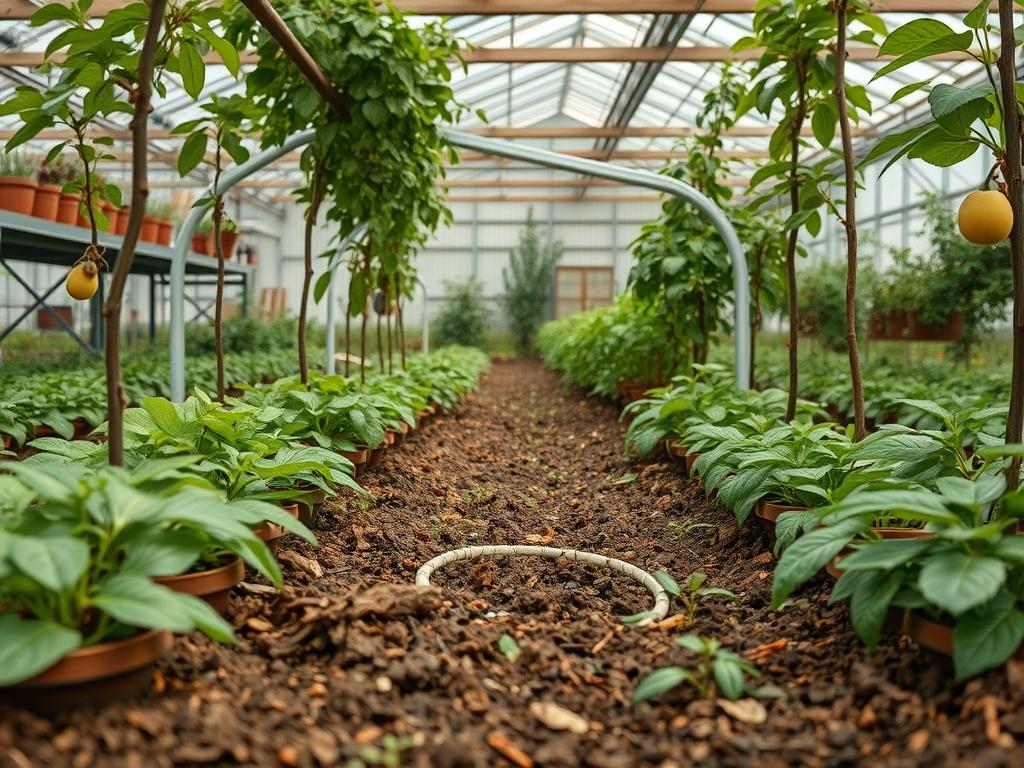
Irrigation planning is the final step in the implementation phase. We recommend a drip irrigation system with emitters placed at the drip line of the tree rather than at the trunk. This encourages the roots to grow outward, creating a more stable and resilient tree. By keeping the trunk dry, we remove the moisture source that ants and fungus require to thrive. This method of precision watering also reduces weed growth, as the water is delivered directly to the root zone of the desired plant.
Common Landscaping Failures
One of the most frequent mistakes in residential orchards is the lack of proper pruning, which leads to overcrowding. When branches from different trees touch, they create a “land bridge” for ants to move from one tree to another without ever touching the ground. This makes it impossible to control pests using traditional trunk barriers. A professional landscape should maintain at least a 3-foot gap between the canopies of neighboring trees. This spacing also ensures that sunlight can reach the lower branches, which is necessary for fruit production and prevents the shaded, damp conditions that ants prefer.
Irrigation inefficiency is another common pitfall. Overwatering creates anaerobic soil conditions that lead to root rot. Ants are often attracted to the weakened wood of a rotting tree. Furthermore, many homeowners use overhead sprinklers, which wet the foliage and fruit. This practice encourages the growth of sooty mold, a fungus that grows on the honeydew left behind by aphids. To break this cycle, designers must transition to subsurface or low-volume irrigation. Soil compaction is a final concern; heavy foot traffic around fruit trees can crush the air pockets in the soil. We recommend installing flagstone pathways to direct foot traffic away from the sensitive root zones of a productive orchard.
Seasonal Maintenance
Spring is the season for active prevention. As the temperature rises, we apply a sticky barrier or insect-grade grease to the trunk of the fruit trees. This creates a physical stop for ants trying to climb the tree to farm aphids. We also refresh the cedar mulch and perform structural pruning to remove any “water sprouts” or vertical suckers that might provide an easy path for pests. Inspecting the irrigation emitters for clogs or leaks is vital during this time to prepare for the summer heat.
Summer maintenance focuses on sanitation and hydration. Any fruit that falls to the ground, known as windfall, must be removed immediately. Rotting fruit on the ground is a primary attractant for ants and wasps. During periods of extreme heat, we monitor the moisture levels in the root zone using a soil moisture meter. Providing deep, infrequent watering is better than shallow daily watering, as it encourages deep root growth.
In the autumn, the priority shifts to cleanup and soil health. We remove all fallen leaves from the base of the trees. These leaves can harbor fungal spores that will over-winter and infect the tree next spring. This is also the best time to apply a layer of organic compost to the drip line, which will break down over the winter and provide a slow release of nutrients for the next growing season. Winter maintenance is relatively hands-off, focusing on “dormant oil” sprays to suffocate any insect eggs that are hiding in the bark crevices and performing heavy restorative pruning while the tree is in its dormant state.
Professional Landscaping FAQ
Why are ants a problem for my fruit trees?
Ants do not usually eat the fruit. Instead, they protect aphids and scale insects from natural predators like ladybugs. The ants “farm” these pests for their sugary honeydew, which leads to larger pest infestations and potential tree disease.
What is the best mulch for preventing pests?
Cedar mulch or cypress mulch are the most effective materials. These woods contain natural resins and oils that repel many insects, including ants. Always ensure the mulch is kept several inches away from the actual tree trunk to prevent rot.
How do I stop ants from climbing my fruit trees?
Applying a sticky barrier around the trunk is the most effective professional method. Wrap the trunk in landscaping tape first to protect the bark. Then, apply the sticky substance to the tape to prevent ants from reaching the canopy.
Can I use native plants to help with pest control?
Yes. Planting Yarrow, Dill, or Fennel nearby attracts beneficial insects like parasitic wasps and lacewings. These predators naturally hunt the aphids that ants protect, helping to balance the ecosystem without the need for harsh chemical interventions.
Does irrigation style affect ant populations?
Absolutely. Ants are attracted to moisture. Drip irrigation keeps the water concentrated at the roots and away from the trunk. This prevents the humid, damp conditions at the base of the tree that ant colonies use for nesting.