
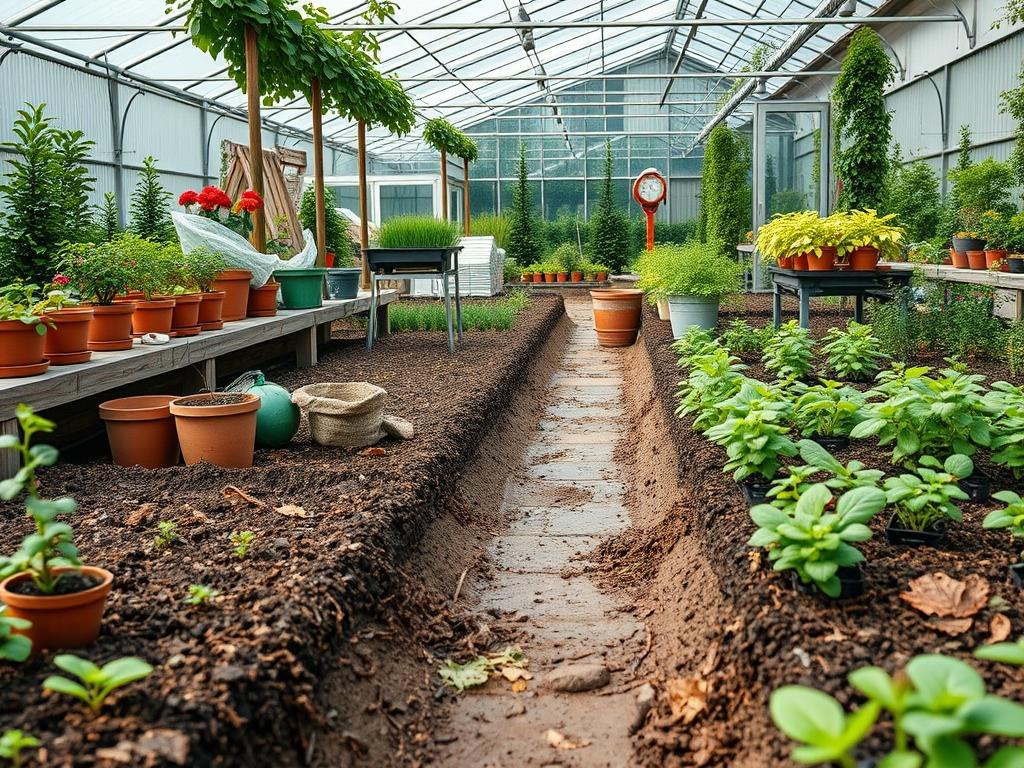
Managing the delicate balance between a productive kitchen garden and the encroaching local ecosystem requires a high degree of precision. In modern landscape architecture, the goal is to create spaces that are both aesthetically pleasing and functionally safe for consumption. When you integrate high value edible plants like Heritage Tomatoes or Culinary Sage into a design, you inevitably invite various insects. Ants, while often seen as minor nuisances, can lead to larger issues such as aphid farming, which compromises the vitality of your crops. Therefore, the strategic placement of Ant Baits Near Edibles becomes a critical component of the maintenance plan. You must consider how these interventions affect the soil health, the safety of the harvest, and the overall longevity of your outdoor living space. Proper planning ensures that pest control does not interfere with the organic integrity of your herbs or the visual appeal of your curb side landscaping.
Effective garden planning starts with understanding the microclimates within your yard. A professional landscape design emphasizes the relationship between hardscaping and softscaping to drive functionality. By organizing your edible gardens into defined zones, you can better manage moisture levels, which is the primary attractant for many ant species. Utilizing Raised Beds or Troughton Planters helps isolate your vegetable crops from the surrounding turf, making it easier to apply targeted treatments without contaminating the growing medium. When you are managing pests, the objective is always to minimize the footprint of the intervention. Using specific, contained delivery systems for bait ensures that the active ingredients do not leach into the root zones of your Peppermint or Flat Leaf Parsley.
Landscape Design Principles
Symmetry and focal points are the cornerstones of a balanced outdoor environment. In an edible landscape, this often manifests as a central herb knot or a series of repetitive geometric beds. By using Boxwood or Lavender as a formal hedge around your edible crops, you create a physical barrier that helps define the space. This structural definition is not just for show; it serves as a perimeter where pest management can be concentrated. Placing Ant Baits Near Edibles within these structural borders, rather than directly in the center of the crop, maintains a safety buffer. You want to lead pests away from the foliage they are protecting and toward the exterior of the garden beds.
Elevation layers are equally important. By varying the height of your plantings using Terraced Retaining Walls, you can control drainage and soil temperature. Ants prefer warm, dry soil for their colonies. If your beds are properly sloped with a 1 percent to 2 percent grade, you prevent standing water while also ensuring that the soil remains aerated. Walkways constructed from Crushed Granite or Flagstone should be planned to provide easy access for harvest and maintenance. These hardscape elements serve as perfect locations for bait stations because they are stable, dry, and easily monitored. The visual balance between the lush greenery of the plants and the clean lines of the stone paths provides a professional finish that enhances your home value.
Irrigation planning must be integrated from the start. Overwatering is a common mistake that leads to rot and pest infestations. A dedicated Drip Irrigation System is superior to overhead sprinklers because it delivers water directly to the root zone. This keeps the surrounding mulch and hardscaping dry, which discourages ants from nesting in areas where they might interact with your food. By keeping the surface of the soil dry, you make the use of Ant Baits Near Edibles more effective, as the baits remain dry and appealing to the target pests rather than being washed away into the water table.
Plant and Material Selection
Selecting the right materials and plants is the difference between a thriving garden and a constant maintenance struggle. You must choose varieties that are suited to your specific hardiness zone while considering their physical growth habits. Below is a breakdown of common edible plants and their requirements.
| Plant Type | Sun Exposure | Soil Needs | Water Demand | Growth Speed | Maintenance Level |
| :— | :— | :— | :— | :— | :— |
| Sweet Basil | Full Sun | Rich, Loamy | High | Fast | Moderate |
| Rosemary | Full Sun | Well Drained | Low | Medium | Low |
| Thyme | Full Sun | Sandy, Gritty | Low | Medium | Low |
| Kale | Part Shade | Nitrogen Rich | Moderate | Fast | Moderate |
| Strawberries | Full Sun | Slightly Acidic | High | Fast | High |
| Chives | Full Sun | Any Well Drained | Moderate | Fast | Low |
For materials, always prioritize quality. Use Galvanized Steel Edging to create crisp lines between your lawn and your edible beds. This prevents grass from encroaching and provides a clear boundary for applying pest controls. For mulch, select Cedar Bark or Pine Straw over dyed wood chips. These natural materials have inherent insect repellent properties and decompose into beneficial organic matter. When installing Ant Baits Near Edibles, ensure the stations are placed on a non porous surface like a Small Concrete Paver tucked under the foliage to protect it from the elements and keep it away from direct soil contact.
Implementation Strategy
The implementation phase begins with professional grading. You must ensure that the land slopes away from your home and your garden beds. Use a Transit Level to check the accuracy of your slopes. Improper grading is the leading cause of soil saturation, which weakens edible plants and makes them susceptible to pests. Once the grade is established, install your Hardscape elements first. Laying down Geotextile Fabric under your stone paths will prevent weeds and provide a stable base for the Crushed Stone.
After the hardscape is in place, focus on the soil. Mix in Organic Compost and Perlite to improve the structure of your beds. When you are ready to plant, space your herbs and vegetables according to their mature width. Overcrowding creates humid pockets that ants and other pests love. As you place your plants, consider the perimeter. This is where you will implement your pest control strategy. Use Tamper Resistant Bait Stations and place them at least 12 inches away from the base of any edible plant. This distance is sufficient to prevent accidental contact while still being close enough to intercept ants before they reach your Blueberries or Tomatoes.
Always finish with a layer of mulch at a depth of 2 to 3 inches. Avoid piling mulch against the stems of your plants, as this can lead to fungal issues. Instead, create a small well around the base of each plant. This tidy appearance is not only aesthetically pleasing but also makes it much easier to spot ant trails. By keeping a clean, organized layout, you make the application of Ant Baits Near Edibles a systematic part of your landscaping routine rather than a reactive emergency measure.
Common Landscaping Failures
One of the most frequent failures in landscape design is the neglect of drainage. If water collects in your edible beds, the roots will suffocate, and the dying plant tissue will attract scavengers. Furthermore, excess moisture can break down the chemical components of bait stations, potentially releasing them into the soil. Ensure that your French Drains or Catch Basins are clear and functional. Soil compaction is another major issue. When soil is packed too tightly, air and water cannot reach the roots, leading to stunted growth. Avoid walking directly in your planting beds; use Stepping Stones to distribute your weight.
Improper spacing is a mistake often made by novice gardeners who want an instant full look. However, plants need room to breathe. Without adequate airflow, powdery mildew can destroy a crop of Zucchini or Cucumber in days. Similarly, irrigation inefficiencies, such as uneven spray patterns, can leave some areas parched while others are flooded. Always test your Zone Valves and Emitters regularly to ensure even coverage. Finally, failing to monitor your bait stations can lead to them becoming empty or clogged with debris, which renders them useless and allows ant populations to rebound quickly.
Seasonal Maintenance
In the Spring, focus on preparation. Clear out any debris from the winter, refresh your mulch, and check your irrigation lines for leaks. This is the best time to set your initial perimeter of Ant Baits Near Edibles before the populations spike in the heat. As you prune your Perennial Herbs, check for signs of early ant activity along the stems.
Summer is the season of peak growth and peak pest activity. Monitor your water levels closely as the temperature rises. Ensure that your bait stations are shaded by foliage or hardscape elements so they do not overheat and dry out. If you notice an increase in aphids on your Peppers, it is a sign that the ants are active and your bait strategy needs adjustment or replenishment.
During Autumn, you should begin the cleanup process. Remove annual plants that have finished producing and cut back your perennials. This reduces the amount of cover available for ants to overwinter. It is a good time to move your bait stations further away from the beds as the plants go dormant. Clean your Garden Trowels and Pruning Shears with a light oil to prevent rust over the winter months.
In the Winter, maintenance is primarily about protection. In colder climates, ensure your Irrigation System is winterized to prevent burst pipes. Review your garden logs from the previous year. Take note of which areas had the most ant activity and plan to adjust your landscape layout or bait placement for the following spring. Professional landscaping is a year round commitment to the health of your environment.
Professional Landscaping FAQ
How far should I place bait from my herbs?
Maintain a minimum distance of 12 inches between the bait station and the base of the plant. Placing the station on a stone or paver further reduces the risk of the bait leaching into the soil or root system.
Can I use liquid baits in a vegetable garden?
Liquid baits are highly effective but must be used in Tamper Resistant Stations. Never pour liquid bait directly onto the soil. Ensure the container is secured so it cannot be tipped over by wind, rain, or local wildlife.
Will mulch affect the performance of ant baits?
Large pieces of mulch can create bridges over bait stations or hide ant trails. Keep the area immediately surrounding your Bait Stations clear of heavy mulch to ensure ants can easily find and enter the trap without obstacles.
What is the best way to prevent ants without chemicals?
Focus on moisture control and physical barriers. Use Drip Irrigation to keep the soil surface dry and install Steel Edging to disrupt ant paths. Maintaining healthy, vigorous plants makes them less attractive to the pests that ants protect.
How often should I check the bait stations?
Perform a visual inspection every 2 weeks during the peak growing season. Replace the bait if it is empty, moldy, or filled with dirt. Regular monitoring ensures the perimeter remains secure and protects your edible crops from infestation.