
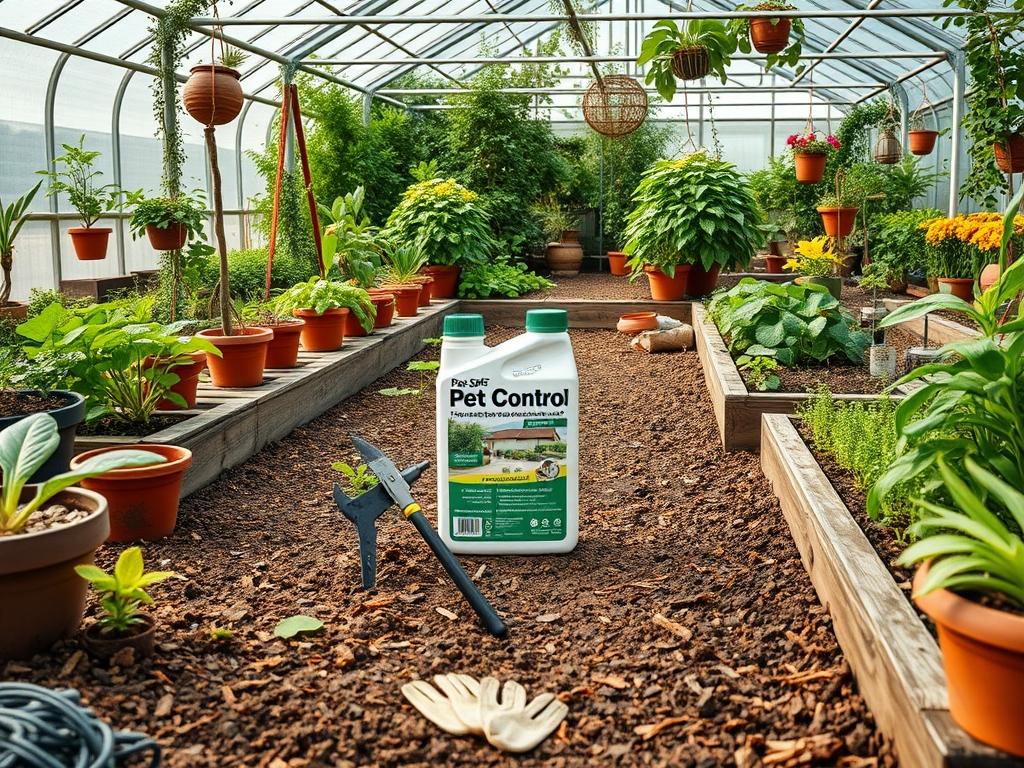
Managing a residential landscape requires a delicate balance between aesthetic ambition and environmental safety. When homeowners encounter infestations, their first instinct often involves heavy chemical intervention. However, a senior landscape architect views the backyard as a holistic ecosystem where every modification influences the presence of pests. Pet-Safe Ant Control is not merely about elimination; it is about creating a structural environment that discourages colonial nesting while protecting the health of dogs and cats. High curb appeal and outdoor functionality rely on the absence of invasive mounds and the structural damage that certain species, such as carpenter ants, can inflict on pergolas or decking. A well designed landscape manages moisture levels and debris, which are the primary drivers of ant activity. By utilizing professional grading and vegetation management, we can minimize these pests without introducing toxic residues into the spaces where pets play and rest.
Landscape Design Principles
Effective pest management begins with the fundamental principles of symmetry and elevation. Ants thrive in stagnant, hidden areas. To prevent this, we design focal points that promote airflow and sunlight penetration. Utilizing raised garden beds is a primary strategy for Pet-Safe Ant Control. By elevating the planting surface using Natural Cedar or Stacked Stone, we create a vertical barrier that is easier to monitor than ground-level colonies. Elevation also assists in managing hydrostatic pressure, ensuring that water does not pool near the foundation of the home where ants frequently seek entry. Visual balance is achieved by staggering plant heights, which prevents the dense, low-lying thickets that provide the cool, moist conditions necessary for ant nurseries.
Symmetry in walkways and hardscaping also plays a technical role in pest suppression. Wide, Flagstone paths set in Crushed Granite provide a dry, alkaline base that ants find difficult to navigate compared to organic soil. When planning irrigation, it is essential to use Drip Emitters rather than broadcast sprayers. This targeted watering keeps the root zones hydrated while leaving the surrounding surface dry, effectively “zoning out” ants that require high humidity. Integrated pest management within a design framework ensures that the garden remains a functional extension of the home, prioritizing the safety of domestic animals while maintaining the architectural integrity of the site.
Plant and Material Selection
Selecting the right materials is the cornerstone of a pet-friendly environment. We avoid fine-textured organic mulches that decompose quickly and attract pests. Instead, we specify materials with natural repellent properties or physical structures that discourage nesting. The following table provides a professional guide for selecting species and materials that fulfill aesthetic goals while supporting Pet-Safe Ant Control.
| Plant Type | Sun Exposure | Soil Needs | Water Demand | Growth Speed | Maintenance |
| :— | :— | :— | :— | :— | :— |
| Peppermint | Full to Partial | Moist/Loamy | Moderate | Fast | High (Pruning) |
| Lavender | Full Sun | Well-drained | Low | Medium | Low |
| Rosemary | Full Sun | Sandy/Dry | Low | Medium | Minimal |
| Marigolds | Full Sun | Any/Well-drained | Moderate | Fast | Deadheading |
| Catnip | Full to Partial | Sandy | Low | Fast | Medium |
| Chrysanthemums | Full Sun | Rich/Drained | Moderate | Medium | Seasonal Cut |
| Lemongrass | Full Sun | Moist/Rich | High | Fast | Division |
Beyond plant life, the choice of hardscape materials is vital. River Rock ranging from 1 inch to 3 inches in diameter serves as an excellent perimeter border. Unlike wood chips, stone does not provide a food source for the aphids that many ant species “farm” for honeydew. Using Permeable Pavers also reduces runoff and prevents the saturated soil conditions that invite subterranean ant species to establish large-scale colonies near the patio.
Implementation Strategy
The successful implementation of a pet-safe backyard requires a systematic approach to site preparation. We begin with grading. The soil must be sloped away from the house at a minimum of 2 percent to ensure proper drainage. Once the grade is established, we install Steel Edging or Heavy-Duty Plastic Benders to create crisp transitions between turf and planting beds. This physical barrier prevents grass from creeping into beds, which often hides ant trails and mound entrances.
For the planting process, a Post Hole Digger or Hand Trowel is used to ensure that each root ball is seated correctly. We recommend an underlayment of Geotextile Fabric in non-planted areas. This fabric should be topped with 3 inches of Cedar Mulch or Wood Chips. Cedar is particularly effective for Pet-Safe Ant Control because it contains natural thujone, a chemical compound that many insects find repulsive, yet it is safe for pets to walk on.
Hardscaping should involve the use of Polymeric Sand between pavers. This material hardens upon wetting, creating a persistent seal that prevents ants from mining the sand underneath and creating unsightly holes in the patio. Finally, for active infestations, we recommend the application of Diatomaceous Earth (food grade) using a Hand Duster. This mechanical insecticide is composed of fossilized algae that pierces the exoskeletons of ants but remains completely harmless to pets and humans.
Common Landscaping Failures
The most frequent failure in residential landscapes is improper drainage. When water collects in low spots, it softens the soil and encourages the growth of fungi, attracting ants that feed on organic decay. Over-irrigation is another culprit; many homeowners keep their lawns in a state of perpetual dampness, which creates a paradise for pests. We often see root overcrowding when plants are spaced too closely. This lack of airflow leads to root rot, providing a soft, hollow environment where ants can nest undisturbed.
Another critical error is the depth of organic mulch. Layers exceeding 4 inches create a “thatch” effect that retains too much heat and moisture, insulating ant colonies against seasonal temperature shifts. Furthermore, the use of large, non-porous stones directly against a foundation can trap moisture against the concrete, leading to cracks that ants use as tunnels. Lastly, failing to maintain irrigation heads can lead to leaks, creating localized swamps that serve as the primary hydration source for an entire neighborhood’s ant population.
Seasonal Maintenance
Seasonal care is what ensures the longevity of your Pet-Safe Ant Control efforts. During the spring, focus on cleaning up accumulated leaf litter and dead wood. Ants over-winter in these damp piles, so removing them early disrupts their reproductive cycle. This is also the time to apply a fresh 1-inch layer of Cedar Mulch to replenish the aromatic oils that repel pests.
In the summer, the priority shifts to irrigation management. Inspect your Drip Lines for leaks and ensure that timers are set to water in the early morning. This allows the surface soil to dry during the day, making it less hospitable for ants. If you notice “trailing” on your walkways, a simple solution of water and White Vinegar can be sprayed on the Flagstone to dissolve the pheromone trails ants use to navigate.
Autumn requires the removal of fallen fruit or spent blooms from Marigolds and other perennials. Sugary debris is a primary attractant for ants looking to store energy for the winter. Finally, in the winter months, we focus on structural integrity. Trim any branches that have grown to touch the house, as these act as a “living bridge” for ants to bypass ground-level treatments. Check your Retaining Walls for any shifting that may have created new gaps for nesting.
Professional Landscaping FAQ
How does cedar mulch help with Pet-Safe Ant Control?
Cedar Mulch contains natural oils like thujone that act as a deterrent to ants. It provides a long-lasting, aromatic barrier that discourages nesting while remaining entirely non-toxic for dogs and cats during outdoor play.
Can I use stones to prevent ants near the foundation?
Yes, using River Rock or Crushed Granite creates a dry, inorganic perimeter. This reduces the moisture and food sources available to ants, making it difficult for them to establish colonies directly against your home’s structural base.
Are there specific plants that naturally repel ants?
Species such as Lavender, Rosemary, and Peppermint are excellent choices. These plants produce strong scents that interfere with ant pheromone trails, effectively confusing them and steering them away from your primary outdoor living areas and seating.
What is the best way to handle an active mound safely?
Apply food-grade Diatomaceous Earth directly to the mound using a Hand Duster. This material kills ants through mechanical dehydration rather than chemical toxicity, ensuring your pets remain safe even if they investigate the treated area.
Why is drainage so important for pest control?
Standing water and saturated soil provide the hydration ants need to thrive. By utilizing French Drains and proper Grading, you eliminate the damp environments that support large colonies, naturally reducing the pest population without using sprays.