
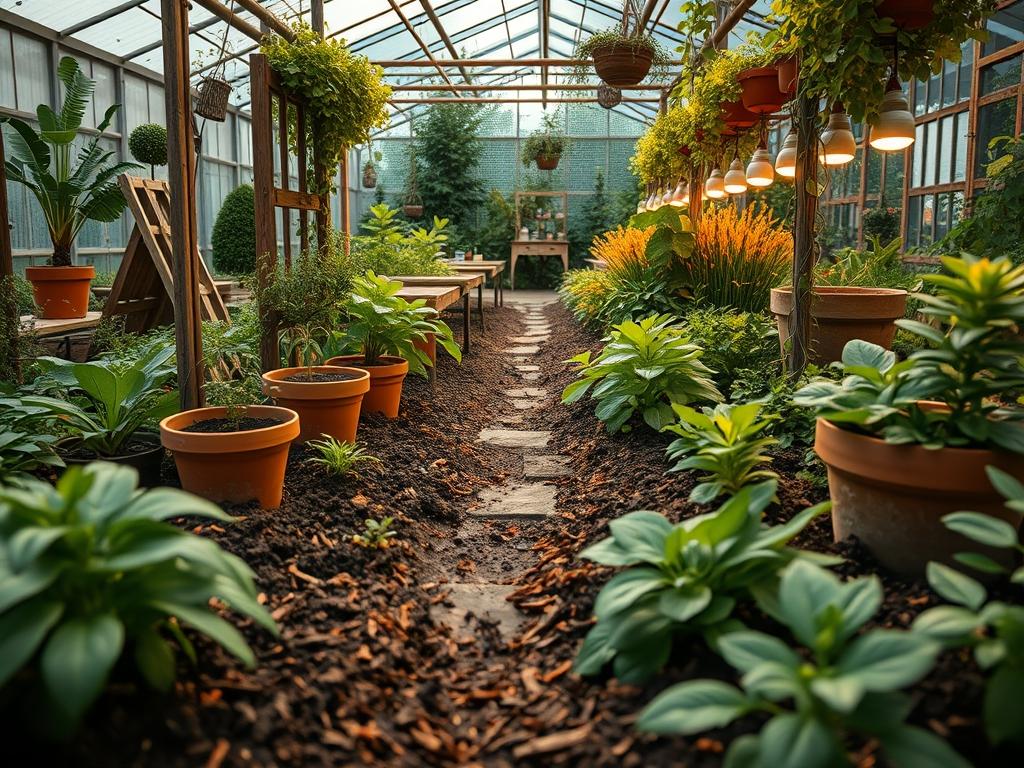
The integration of high-quality landscape illumination provides more than just aesthetic enhancement; it extends the usability of outdoor living spaces long after sunset. However, a significant yet often overlooked threat to these systems involves the tiny, industrious inhabitants of the soil. Ants in Garden Lighting represent a persistent challenge for homeowners and landscape professionals alike. These insects are attracted to the warmth produced by electrical components and the sheltered, dry environment provided by transformer housings and fixture bases. When ants colonize these spaces, they introduce organic debris, moisture, and acidic secretions that can lead to catastrophic electrical failures. Proper planning requires a deep understanding of how these biological factors intersect with electrical engineering. A well-designed landscape must balance visual appeal with the rigorous technical requirements of a durable, pest-resistant infrastructure.
In many temperate and subtropical climates, the transition between the softscape and hardscape serves as a primary highway for ant colonies. As architects, we aim to maximize curb appeal through the strategic use of uplighting and path lights, yet these same features can become magnets for pests if not sealed correctly. The failure of a single lighting zone often traces back to a compromised junction box where ants have nested. This highlights the importance of considering the entire environmental context during the design phase. We must account for soil types, moisture retention, and local insect behavior to ensure that the functional goals of the landscape are met over the long term. A landscape that looks beautiful but fails technically within two seasons is a failure of professional planning.
Landscape Design Principles
Effective landscape design relies on a structured hierarchy of visual elements. Symmetry and focal points guide the eye through a space, while elevation layers provide depth and interest. When we plan the distribution of low-voltage LED systems, we treat lighting as its own design layer. This layer must be integrated with the irrigation plan to prevent excessive moisture from accumulating near electrical connections. Precision in placement ensures that lights highlight the architectural features of the home and the textures of the foliage without becoming an eyesore or a maintenance burden.
Visual balance is achieved by distributing light and shadow in a way that mimics natural moonlight. This requires a sophisticated understanding of spacing. Over-lighting a space can wash out the subtle textures of natural stone and ornamental grasses, while under-lighting creates safety hazards along flagstone walkways. From a structural standpoint, installing retaining walls provides opportunities for integrated step lights. These installations must be meticulously planned to include proper drainage paths behind the wall. Without these paths, water pressure builds up, creating the damp conditions that attract ants and other pests to the relatively dry voids within the electrical housing.
Plant and Material Selection
The following table outlines plants and materials that balance aesthetic goals with practical maintenance requirements in a professional landscape.
| Plant Type | Sun Exposure | Soil Needs | Water Demand | Growth Speed | Maintenance Level |
| :— | :— | :— | :— | :— | :— |
| Buxus sempervirens | Full Sun to Shade | Well-Drained | Moderate | Slow | High (Pruning) |
| Lavandula | Full Sun | Sandy/Gravelly | Low | Medium | Low |
| Pennisetum | Full Sun | Adaptable | Low | Fast | Low |
| Quercus virginiana | Full Sun | Deep Loam | Moderate | Moderate | Moderate |
| Sedum | Full Sun | Poor/Dry | Very Low | Medium | Very Low |
| Acer palmatum | Partial Shade | Acidic/Rich | Moderate | Slow | Medium |
Implementation Strategy
A successful backyard layout begins with professional grading. Ensuring that the site slopes away from the home and any structural foundations prevents water pooling. Once the grade is established, we mark the transitions between lawn areas and planting beds using steel edging or poured concrete curbs. This physical barrier is crucial for containing hardwood mulch and preventing it from washing into drainage grates. When planning the lighting layout, use Schedule 40 PVC conduit for all underground wire runs. This provides a physical shield against digging tools and limits the entry points for ants.
The next step involves the installation of the transformer. It should be mounted at least 12 inches above the ground level to discourage pests from entering the cabinet. When connecting the 12/2 gauge copper wire to the fixtures, use heat-shrink connectors or grease-filled wire nuts. These components are specifically designed to be moisture-proof. Ants often enter fixtures through the small gaps where the wire enters the housing. Applying a small amount of dielectric grease or silicone sealant at these entry points creates a chemical and physical barrier. Finally, maintain a 3-inch mulch depth around the base of plants, but keep this mulch several inches away from lighting fixtures to reduce the thermal bridge that attracts insects.
Common Landscaping Failures
One of the most frequent mistakes in professional landscaping is improper drainage around electrical hubs. When a French drain is incorrectly installed or becomes clogged with sediment, the resulting high humidity in the soil drives ants upward into the drier, warmer environment of light fixtures. This is where the specific issue of Ants in Garden Lighting becomes a technical emergency. Ants may carry moist soil into the fixture to build their nests. This soil bridges the gap between the hot and neutral wires, causing a short circuit. Furthermore, many ant species produce formic acid, which can corrode copper contacts and lead to permanent damage to expensive LED modules.
Root overcrowding is another significant failure point. Architects must account for the mature spread of a tree or shrub. When root balls expand beyond their allotted space, they can crush thin-walled conduits or shift the positioning of path lights. This movement often breaks the seals on the fixtures, inviting pests inside. Soil compaction is equally detrimental. Compacted soil prevents oxygen from reaching plant roots and creates anaerobic conditions. It also forces moisture to sit on the surface, which degrades the exterior finish of lighting hardware and provides a breeding ground for pests that eventually migrate into the electrical system.
Seasonal Maintenance
Landscape management is a year-round commitment that changes with the seasons. In the spring, the focus is on rejuvenation. This includes applying a pre-emergent herbicide to planting beds and inspecting the entire irrigation system for leaks. It is also the critical time to open lighting fixtures and clear out any dormant ant nests before the colony becomes active. Spring pruning of ornamental trees ensures that branches are not rubbing against fixtures or blocking the intended light path.
Summer maintenance involves monitoring water stress and managing pest populations. During periods of high heat, check that your automatic controller is providing adequate deep-watering sessions rather than frequent shallow mists. Autumn is the season for debris management. Falling leaves should be cleared away from the base of lights to prevent heat buildup and to eliminate the dark, damp habitats that ants prefer. Finally, in winter, inspect the system for any damage caused by frost heave. Ensure that all covers are tightly secured against the elements and that the transformer remains clear of snow or heavy ice accumulation.
Professional Landscaping FAQ
How do ants actually cause an electrical short in my lights?
Ants move soil and organic material into the warm fixture to build nests. This material holds moisture against the electrical contacts, creating a bridge for current to jump between wires, which leads to a short circuit and system failure.
What is the best way to prevent ants from entering fixtures?
Use professional-grade lighting with high IP ratings and ensure all wire entry points are sealed with dielectric grease or silicone. Keeping the area immediately surrounding the fixture free of excessive mulch and leaf litter also discourages nesting behavior near the lights.
Can irrigation leaks contribute to lighting problems?
Yes, excessive moisture from a leaking drip line or misdirected sprinkler head creates a high-humidity environment. This attracts ants seeking a water source and can accelerate the corrosion of metal components if the light housing is compromised.
Why is grading important for my outdoor lighting system?
Proper grading ensures that water flows away from electrical junctions and transformer bases. Preventing standing water reduces the likelihood of moisture entering the conduits, which protects the integrity of the low-voltage wiring and prevents pest infestations in flooded areas.
Should I use chemical treatments to keep ants out of my lights?
While architectural planning focuses on physical barriers, a light application of ant bait near the transformer can be effective. However, the most sustainable solution is ensuring the fixtures are mechanically sealed and the landscape is properly drained to reduce attraction.