
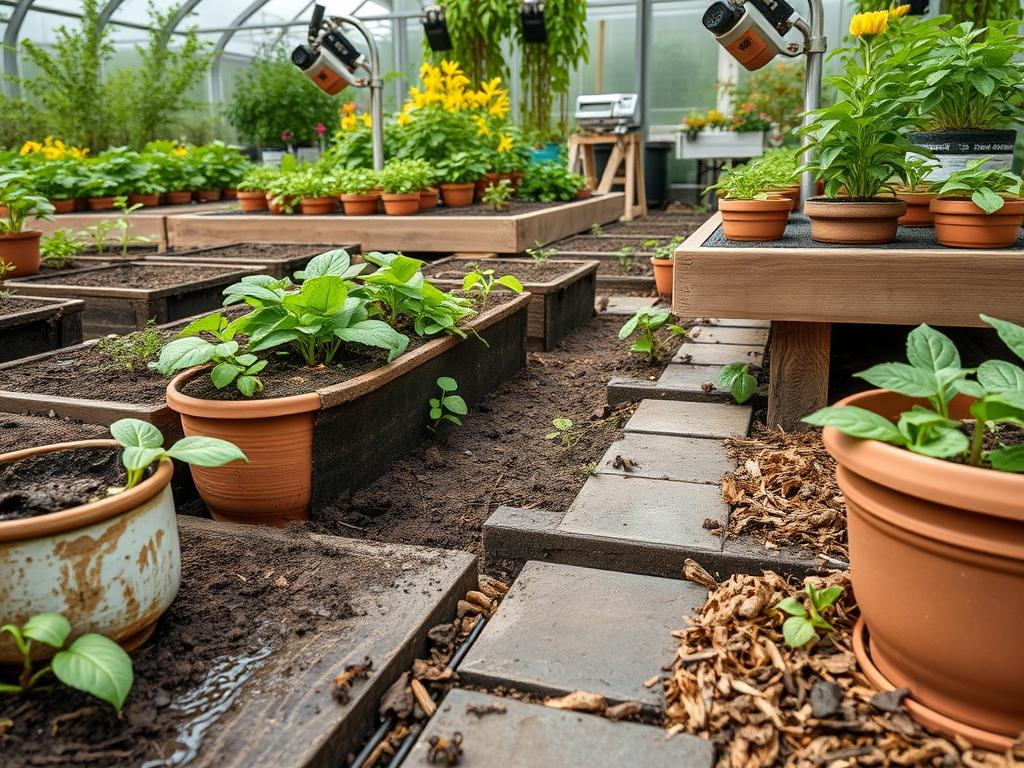
The integration of timber decking into a professional landscape design serves as a bridge between the structured environment of the home and the organic fluidity of the garden. However, when Ants in Decking Joints begin to colonize the substructure, the functionality and aesthetic appeal of this outdoor living space are significantly compromised. Managing these small but persistent intruders requires a holistic understanding of how moisture, organic debris, and site grading contribute to pest habitats. From a landscape architecture perspective, a deck is not merely a surface but a complex system of drainage and ventilation. When those narrow gaps between boards become clogged with leaf litter or soil, they transform into an ideal incubator for ant colonies. This issue often signals deeper environmental imbalances, such as poor airflow or excessive humidity, which can eventually lead to timber rot and structural instability if left unaddressed.
Successful landscape management involves an ongoing commitment to hygiene and preventative design. Ants are naturally drawn to the protection offered by the dark, damp crevices beneath the surface of Hardwood or Composite Decking. By maintaining clear joints, a homeowner ensures that the timber can expand and contract naturally while allowing water to reach the Drainage System below. Furthermore, the presence of ants can be a precursor to larger problems, such as the arrival of predators or the discovery of Carpenter Ants that may actively damage the structural Joists. Addressing this challenge is essential for preserving the curb appeal of a property and ensuring that the outdoor environment remains a comfortable, functional extension of the home.
Landscape Design Principles
In professional landscape architecture, every element must adhere to core principles such as symmetry, elevation, and visual balance. When managing Ants in Decking Joints, the layout of the surrounding garden plays a critical role. A well-designed deck should sit atop a properly graded site that directs water away from the foundation. If the Landscape Grading is incorrect, water pools beneath the deck, creating the moist environment that ants crave. We ensure that the Sub-base consists of a permeable material, such as Crushed Stone or Gravel, to prevent soil saturation.
Symmetry and focal points are also impacted by pest activity. An unsightly ant trail leading across a central walkway or a focal point, such as a Fire Pit or a Water Feature, disrupts the visual harmony of the design. To counter this, we implement clear transitions between hardscaping and softscaping. By using Steel Edging or Stone Borders, we create a physical barrier that makes it more difficult for ants to move from the garden beds into the decking structure. Additionally, irrigation planning must be precise. Over-spraying from an Automatic Sprinkler System onto the deck surface facilitates the accumulation of moisture in the joints, which is the primary catalyst for ant infestations.
Elevated layers in a garden design can also be used to mitigate pest issues. By raising the deck slightly higher than the surrounding soil, we improve ventilation. This airflow naturally dries the gaps between boards, making the environment less hospitable to colony formation. We also prioritize the use of Recessed Lighting and other fixtures that do not provide heat sources for insects during the night. Every design choice, from the slope of the Patio to the density of the surrounding shrubbery, should work together to create a dry, well-ventilated zone that discourages Ants in Decking Joints from establishing a permanent home.
Plant and Material Selection
Selecting the right biological and structural components is vital for long-term pest management. Certain plants possess natural repellent properties, while specific materials offer superior resistance to organic buildup.
| Plant Type | Sun Exposure | Soil Needs | Water Demand | Growth Speed | Maintenance Level |
| :— | :— | :— | :— | :— | :— |
| Lavandula angustifolia | Full Sun | Well-drained | Low | Moderate | Low |
| Rosmarinus officinalis | Full Sun | Sandy/Rocky | Low | Moderate | Low |
| Mentha piperita | Partial Shade | Moist/Loamy | High | Fast | High |
| Tagetes | Full Sun | Fertile | Moderate | Fast | Moderate |
| Chrysanthemum | Full Sun | Rich/Well-drained | Moderate | Moderate | Moderate |
| Ocimum basilicum | Full Sun | Rich/Moist | Moderate | Fast | Low |
Using Lavender and Rosemary around the perimeter of a deck provides a fragrant barrier that ants often avoid due to the strong essential oils. At the same time, we must be careful with the placement of Mint, as its rapid growth can lead to it encroaching upon the decking, providing a lush bridge for insects. On the structural side, choosing Ipe or Teak for the decking material offers high natural oil content that resists rot, though even these premium woods require clean joints to remain pest-free.
Implementation Strategy
The process for clearing Ants in Decking Joints begins with a thorough mechanical cleaning. I recommend using a Long-Nosed Blow Gun attached to an Air Compressor to blast out dry debris trapped in the gaps. For more stubborn clogs, a Decking Saw or a thin Putty Knife can be used to manually dislodge compacted soil and leaf fragments. Once the gaps are clear, the entire surface should be treated with a high-pressure wash using a Pressure Washer set to a wide fan tip to avoid gouging the wood.
After the joints are cleaned, we apply a professional-grade solution to deter future colonization. A mixture of Boric Acid and water can be sprayed directly into the gaps; this acts as a desiccant and a slow-acting metabolic poison for ants. For a more natural approach, Diatomaceous Earth can be puffed into the dry joints. This food-grade powder works by physically damaging the exoskeleton of any insect that crawls through it.
In the surrounding garden, we address the Mulch Depth. Excessive mulch acts as a sponge and a highway for ants. We recommend keeping mulch at a depth of no more than two inches and maintaining a six-inch “no-mulch” zone around the perimeter of the deck. This gap, filled with River Rock or Pea Gravel, breaks the scent trails and provides no cover for pests as they attempt to reach the timber. Finally, check the Weep Holes in any adjacent retaining walls to ensure they are not blocked, as back-pressure from trapped water will inevitably seep toward the decking area.
Common Landscaping Failures
One of the most frequent mistakes I see in residential landscapes is the neglect of the “bowl effect.” This occurs when a deck is built in a low spot of the yard without adequate Sub-surface Drainage. Water flows from the lawn and collects under the deck, creating a permanent swamp that attracts not only ants but also mosquitoes and termites. High-quality landscape design must include a French Drain or a Dry Well to manage this runoff before the deck is even installed.
Another failure is root overcrowding near the deck foundation. When large shrubs or trees are planted too close to the timber, their roots can disrupt the Concrete Footings and create subterranean voids. These voids become the perfect highways for ant colonies to move from the deep soil up into the decking joints. Furthermore, improper spacing between the deck boards is a major issue. While a 1/8-inch gap is standard, many DIY installations result in gaps that are too tight, which traps organic matter and moisture, or too wide, which allows massive amounts of debris to fall through and rot on the ground below.
Finally, the use of improper irrigation heads often contributes to Ants in Decking Joints. Oscillating Sprinklers that throw water in a wide arc often drench the deck unnecessarily. Switching to a Drip Irrigation system for the surrounding plant beds ensures that water is delivered directly to the roots of the plants, keeping the deck surface and its joints dry and unfavorable for insect activity.
Seasonal Maintenance
Landscape management is a year-round commitment that changes with the seasons. During the Spring, the focus should be on clearing out the “winter crust.” Use a Stiff-Bristled Broom to sweep away any pollen and tree tassels that have settled into the joints. This is also the time to inspect the Decking Screws and ensure that no boards have warped, which could narrow the gaps and trap moisture.
In the Summer, monitoring is key. Ants are most active during the heat, so look for “frass,” which is a sawdust-like material that ants push out of their nests. If you see this in the joints, it is time for a targeted application of Ant Bait Stations placed strategically in the corners of the deck. Keep the surrounding vegetation trimmed back at least twelve inches from the timber to eliminate bridges.
Autumn is perhaps the most critical season for preventing Ants in Decking Joints. Weekly leaf removal is mandatory. If leaves are allowed to sit and decompose in the gaps, they create a nutrient-rich compost that will sustain a colony through the winter. Use a Leaf Blower regularly to keep the surface clear. In the Winter, focus on structural checks. Ensure that snow does not pile up against the deck for extended periods, as the melting process will saturate the joists and provide the moisture necessary for a spring ant resurgence.
Professional Landscaping FAQ
How do I get rid of ants in my decking naturally?
Use Diatomaceous Earth or a mixture of White Vinegar and water. These substances disrupt scent trails and physically repel insects without introducing harsh chemicals into your garden ecosystem or affecting your Native Plants.
Will pressure washing damage the decking joints?
If performed with a wide-angle tip and kept at a safe distance, a Pressure Washer is highly effective. However, excessive pressure can splinter Softwood or strip the finish, so always test a small, inconspicuous area first.
Can mulch near the deck cause ant problems?
Yes, thick layers of Organic Mulch retain moisture and provide cover. I recommend a “buffer zone” of Decorative Gravel or Lava Rock between your garden beds and the deck to discourage ants from crossing over.
Is it necessary to remove every bit of debris from the gaps?
Absolutely. Debris acts as a sponge for moisture and a food source for many pests. Maintaining clear, open gaps is essential for Timber Ventilation and preventing the rot that attracts Carpenter Ants.
What is the best way to prevent ants during a new deck build?
Ensure the site is properly graded with a Geotextile Fabric and Gravel Sub-base. Use Pressure-Treated Lumber for the framing and leave consistent 1/8-inch gaps between boards to allow for drainage and airflow.