
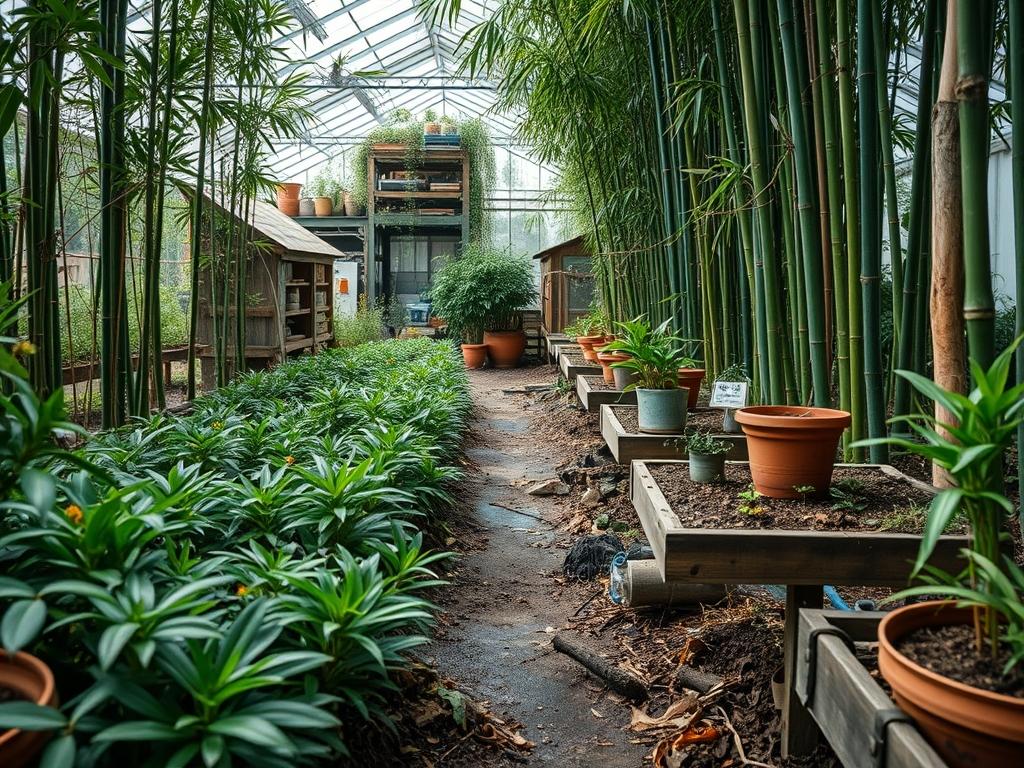
Designing a high-end landscape requires a delicate balance between aesthetic ambition and long term biological management. When we integrate bamboo into an urban or suburban environment, we are introducing a fast-growing, evergreen element that provides immediate verticality and privacy. However, the botanical structure of these groves creates a unique set of challenges for the modern property owner. One of the most persistent issues involves the local ecosystem that develops within the dense canopy and root mats. Specifically, identifying why ants in bamboo groves are hard to reach becomes a primary concern for maintenance crews. The architectural density of a mature Phyllostachys or Bambusa stand creates a micro-climate that is shielded from wind, rain, and conventional topical treatments. From a consultant’s perspective, the goal is to create a space that offers curb appeal while ensuring the infrastructure remains accessible for pest management and health inspections. Failure to plan for the subterranean and aerial complexity of bamboo can lead to a landscape that looks beautiful but functions as an impenetrable fortress for unwanted insects.
We must consider the climate and the specific micro-site conditions before the first spade hits the soil. Bamboo thrives in areas with consistent moisture, yet it is this very humidity, trapped beneath a thick canopy of interlocking leaves, that invites various ant species to colonize the culms. These insects are often drawn to the honeydew produced by aphids or scale insects that live high up in the bamboo stalks. Because the stalks, known as culms, grow so closely together, traditional liquid applications or granular baits struggle to penetrate the center of the grove. This lack of accessibility is a major hurdle in garden functionality. A well-planned landscape must account for these biological realities by ensuring that bamboo is used as a controlled focal point rather than an unchecked thicket. By understanding the intersection of plant anatomy and entomology, we can design environments that remain pristine and manageable throughout the decades.
Landscape Design Principles
When conceptualizing a garden that features tall grasses or bamboo, symmetry and focal points serve as the foundation of the visual narrative. We often use bamboo to create a soft, rustling wall that defines the boundary of an outdoor living room. To maintain visual balance, however, these tall vertical elements must be countered by lower elevation layers. Incorporating a tiered system, perhaps using stone retaining walls or tiered planters, allows the designer to break up the mass of the bamboo. This stratification is not merely for show; it serves a functional purpose. By elevating the bamboo in steel planters or concrete troughs, we can limit its spread and make the base of the plant more accessible for inspection.
Irrigation planning is another critical pillar of professional design. For bamboo groves, a drip irrigation system is far superior to overhead sprinklers. Sprinklers often fail to reach the interior of a dense stand, leaving the center dry while the outer leaves remain perpetually damp, a condition that encourages fungal growth. Walkways should be integrated around the perimeter of the grove using decomposed granite or flagstone. These paths provide a clear line of sight and physical access to the plant’s base. Visual balance is achieved when the airy, light-catching quality of the bamboo leaves is grounded by heavy, permanent hardscaping materials like basalt boulders or dark slate.
Plant and Material Selection
The success of a landscape depends on selecting the right species for the specific environmental constraints of the site. Below is a professional guide for selecting plants that complement a bamboo-centric design while addressing maintenance needs.
| Plant Type | Sun Exposure | Soil Needs | Water Demand | Growth Speed | Maintenance Level |
| :—: | :—: | :—: | :—: | :—: | :—: |
| Bambusa oldhamii | Full Sun | Rich, well-draining | High | Fast | Moderate |
| Fargesia nitida | Part Shade | Loamy, moist | Moderate | Slow | Low |
| Carex pensylvannica | Shade/Part Sun | Sandy, dry to moist | Low | Medium | Very Low |
| Hydrangea quercifolia| Part Shade | Acidic, organic | Moderate | Medium | Moderate |
| Liriope muscari | Full Sun/Shade | Versatile | Low | Fast | Low |
| 60-mil HDPE Barrier | N/A | N/A | N/A | N/A | N/A |
Implementation Strategy
The actual execution of a backyard layout begins with professional grading to ensure that water moves away from the foundation of the home and toward designated drainage zones. When planting bamboo, we always recommend the installation of a 60-mil HDPE root barrier. This high-density polyethylene sheet should be buried at least 24 inches deep and tilted slightly outward to redirect rhizomes toward the surface where they can be pruned. Edging is not just a cosmetic choice; it is a structural necessity. Utilizing heavy-gauge steel edging creates a clean transition between the bamboo mulch bed and the lawn or walkway.
Once the barriers are in place, the soil must be amended with organic compost and expanded shale to improve aeration. After the bamboo is installed, a layer of hardwood mulch or pine straw should be applied at a depth of 3 inches. This mulch helps retain moisture but must be kept a few inches away from the culms to prevent rot and to allow for the application of pest control measures if needed. Drainage is the final piece of the puzzle. Using a French drain or a dry creek bed lined with river rock ensures that excess water from the bamboo’s high irrigation needs does not saturate the rest of the landscape.
Common Landscaping Failures
One of the most frequent mistakes in professional landscaping is the total neglect of spacing requirements. Bamboo is often planted too close together in an attempt to create an instant screen. This leads to root overcrowding within three years. As the rhizomes become a solid, wooden mass, they create an impenetrable barrier for drainage and nutrient flow. This overcrowding is precisely why ants in bamboo groves are hard to reach; the sheer density of the root system and the overlapping culm sheaths provide millions of tiny, protected crevices where colonies can thrive undisturbed by humans or predators.
Soil compaction is another silent killer of high-end landscapes. During construction, heavy machinery often packs the earth so tightly that oxygen cannot reach the roots. For bamboo, which requires high oxygen levels in the rhizosphere, this leads to stunted growth and increased susceptibility to pests. Furthermore, irrigation inefficiencies, such as uneven water distribution, can create “dead zones” in the center of a grove. These dry pockets become ideal nesting sites for ants, as they are protected from the elements and are rarely disturbed by the gardener’s hose.
Seasonal Maintenance
Landscape management is a year-round commitment that changes with the cycles of the sun. In the spring, the focus should be on thinning the grove. Use a pair of sharp loppers to remove dead or weak culms at ground level. This increases airflow and light penetration, making the grove less hospitable for ants and scale. This is also the time to apply a slow-release nitrogen fertilizer to support new shoot growth.
During the summer, the priority shifts to hydration and monitoring. Bamboo can lose a significant amount of water through transpiration on hot days. Ensure the irrigation timer is adjusted to provide deep soaking in the early morning. In autumn, the removal of fallen leaf litter is essential. While bamboo leaves make excellent natural mulch, an excessive buildup can create a thick “mat” that hides the base of the plant. Clearance of this debris is vital for maintaining visibility. Finally, in winter, examine the structural integrity of the culms. In regions with snow, heavy accumulation can bend bamboo to the ground. Shake the canopy gently to remove weight and prevent snapping.
Professional Landscaping FAQ
How can I stop bamboo from spreading into the lawn?
The most effective method is installing a 60-mil HDPE root barrier buried 24 inches deep. Additionally, consistent mowing around the perimeter will sever any escaping rhizomes before they can establish a new culm and harden into a permanent structure.
Why is it so difficult to eliminate ants from my bamboo?
Bamboo culms grow in extremely tight clusters, creating a physical shield that prevents sprays and dusts from reaching the interior. The overlapping leaf sheaths also provide protected corridors for ants to travel from the ground to the high canopy safely.
What is the best way to water a large bamboo stand?
A dedicated drip irrigation line with emitters spaced every 12 inches is ideal. This ensures that water reaches the root zone directly without getting trapped in the upper foliage, which reduces the risk of fungal diseases and localized dry spots.
Can I grow bamboo in a small urban yard?
Yes, but you should stick to “clumping” varieties like Fargesia or utilize high-quality raised planters made of weathering steel. These methods provide the aesthetic benefits of bamboo without the risk of the plant overtaking the limited square footage of the site.
What mulch is best for bamboo health?
Pine bark mulch or the plant’s own fallen leaves are excellent choices. They provide the necessary acidity and silica as they decompose. However, maintain a 3-inch depth and keep the material away from the direct base of the culms.