
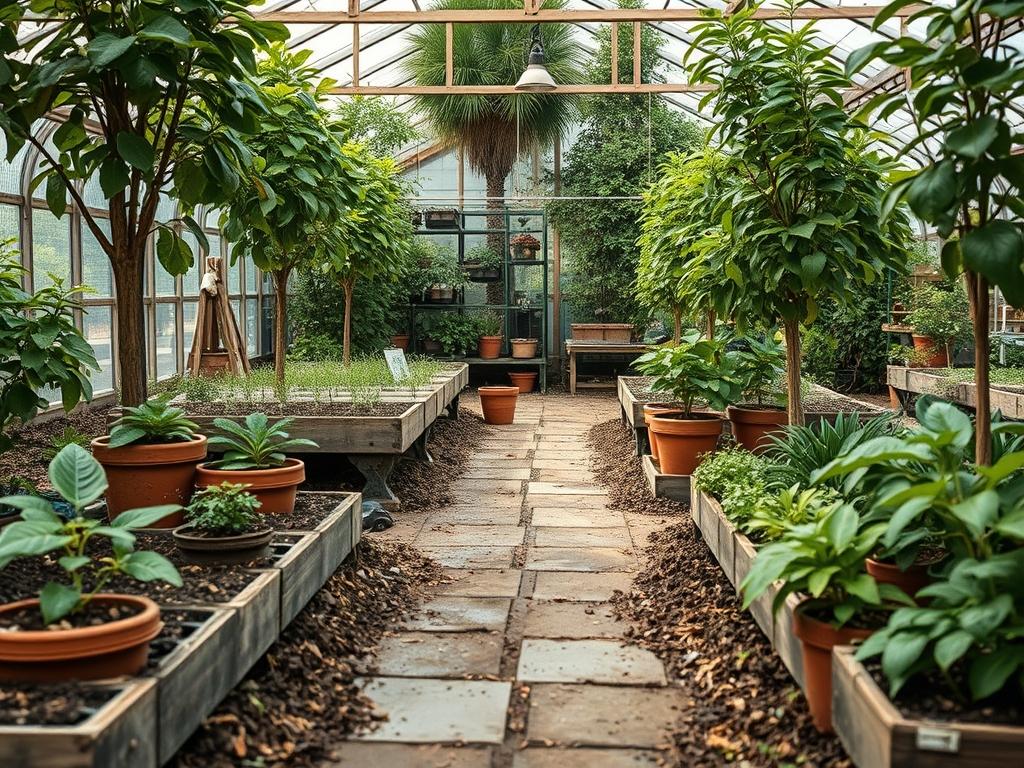
The integration of fruit-bearing trees into a high-end residential landscape offers a unique blend of aesthetic beauty and functional productivity. However, the presence of the Prunus persica, or the common peach tree, introduces a specific set of management challenges that can jeopardize both the investment and the visual harmony of the site. Central to these challenges is the threat of the peach tree borer, a clearwing moth larva that targets the lower trunk and root crown. Effective Peach Tree Borer Control is not merely a task for the occasional gardener; it is a fundamental requirement of sophisticated landscape architecture. When designing an outdoor environment that features stone fruits, the consultant must prioritize tree longevity through proactive environmental controls and strategic placement. A healthy, borer-free tree serves as a vibrant focal point, while a declining specimen creates a visible gap in the landscape canopy, diminishes curb appeal, and can even lower property value. By understanding the intersection of entomology and architectural design, we can create resilient outdoor living spaces that thrive for decades.
The architectural value of a peach tree lies in its seasonal transformations, from the delicate pink blossoms of early spring to the heavy, golden fruit of late summer. To maintain this value, the tree must be situated in an environment that minimizes stress, as stressed trees emit volatile chemical signals that attract adult moths seeking a host for their eggs. Proper landscape planning involves assessing microclimates within a property to ensure optimal sunlight and air circulation. Poorly ventilated corners or areas with excessive humidity can soften the bark, making it a primary target for infestation. Furthermore, the functional layout of the garden must account for the height and spread of the canopy to prevent overcrowding. When trees are spaced correctly, they maintain the vigor necessary to produce defensive resins that can naturally drown invading larvae before they reach the cambium layer.
Landscape Design Principles
In professional landscape architecture, the placement of fruit trees should follow the principles of symmetry and focalization to create a sense of order and permanence. For many luxury estates, an orchard or “food forest” is integrated into the formal design through axial alignment, where a row of peach trees might frame a central walkway or lead the eye toward a secondary structure like a gazebo or outdoor kitchen. This symmetry provides a clean, organized aesthetic even during the dormant winter months. Using the peach tree as a focal point requires a clear understanding of elevation layers. The tree serves as the mid-story canopy, which should be supported by a lower layer of groundcovers and an upper layer of taller deciduous shade trees in the distance to provide a sense of depth and enclosure.
Irrigation planning is perhaps the most critical design principle when mitigating borer risk. The root crown, located at the base of the trunk, must remain relatively dry to prevent the bark from becoming spongy. A sophisticated irrigation system will utilize soaker hoses or drip emitters positioned at the dripline of the canopy rather than spraying the trunk directly. This targeted watering ensures the tree receives deep hydration while the “danger zone” at the base remains firm and less hospitable to wood-boring insects. Additionally, walkways should be designed with a 36-inch clearance from the trunk to prevent soil compaction and physical damage from foot traffic or maintenance equipment. Sharp angles in the hardscape near the tree base should be avoided to allow for easy access during seasonal inspections and trunk treatments.
Plant and Material Selection
| Plant Type | Sun Exposure | Soil Needs | Water Demand | Growth Speed | Maintenance Level |
| :— | :— | :— | :— | :— | :— |
| Reliance Peach | Full Sun | Well-drained Sandy Loam | Moderate | Fast | High |
| Elberta Peach | Full Sun | Rich, Organic Matter | Moderate | Fast | High |
| Lavender | Full Sun | Gritty, Alkaline Soil | Low | Medium | Low |
| Rosemary | Full Sun | Well-drained | Low | Medium | Low |
| Garlic/Chives | Full Sun to Partial | Loamy | Moderate | Fast | Low |
| Pea Gravel | N/A | Sub-base preparation | None | N/A | Low |
| Hardwood Mulch | N/A | Decorative Layer | N/A | N/A | Moderate |
Implementation Strategy
Implementing a landscape layout that prioritizes Peach Tree Borer Control begins with meticulous site preparation. During the grading phase, ensure the soil slopes away from the tree at a 2 percent grade to facilitate rapid drainage. When the tree is installed, the root flare must remain visible above the soil line. Deep planting is a common mistake that creates a moist environment at the base, essentially inviting larvae to enter. Once the tree is positioned, define a 4-foot diameter mulch ring. Within the first 6 inches closest to the trunk, replace organic mulch with pea gravel or river rock. This “dry zone” creates a physical barrier that is less attractive to egg-laying moths and prevents the accumulation of moisture against the bark.
The next step involves the installation of tree guards or physical barriers. Plastic mesh wraps can protect the lower 12 to 18 inches of the trunk, where most borer activity occurs. These should be checked annually to ensure they are not girdling the tree as it grows. For high-value specimens, the application of a pheromone trap nearby can help monitor moth populations, allowing the landscape manager to time preventative sprays with precision. Edging the mulch ring with natural stone or powder-coated steel provides a crisp line that keeps turf grass from encroaching. Grass near the trunk is problematic because it requires frequent trimming, and accidental strikes from a string trimmer can create wounds that serve as entry points for borer larvae.
Common Landscaping Failures
One of the most frequent failures in residential landscaping is the “mulch volcano,” where organic material is piled high against the trunk of the tree. This practice traps moisture, promotes fungal rot, and provides the perfect dark, damp environment for peach tree borers to thrive. Another common oversight is improper drainage. If a peach tree is planted in a low-lying area of the yard where water collects after a rainstorm, the root system will eventually suffer from hypoxia. This weakens the tree’s immune response, making it unable to fight off an infestation. Compaction of the soil from heavy machinery during construction or frequent lawn mower traffic can also crush the fine feeder roots, leading to a slow decline in tree health that borers typically exploit.
Irrigation inefficiency is another major culprit. Over-watering with overhead sprinklers keeps the foliage and bark wet for extended periods, increasing the risk of both borers and various cankers. Inversely, under-watering during the heat of July and August causes the bark to crack, providing easy access to the inner wood. Finally, many homeowners fail to provide adequate spacing. When peach trees are planted too close to retaining walls or large structures, their root systems are restricted, and air circulation is compromised. This lack of airflow prevents the trunk from drying out after morning dew, creating a micro-environment that is highly conducive to pest survival and reproduction.
Seasonal Maintenance
Spring maintenance is focused on prevention and monitoring. As the soil temperature reaches 55 degrees Fahrenheit, the landscape manager should inspect the base of each tree for “frass,” a sawdust-like substance mixed with clear or amber sap. This is a telltale sign of active borers. Applying a residual insecticide or entomopathogenic nematodes to the lower trunk in late spring can intercept newly hatched larvae before they burrow into the wood. This is also the time to refresh the pea gravel barrier and ensure that no organic debris has accumulated near the root flare.
Through the summer months, the priority shifts to stress reduction. Deep, infrequent watering is essential during periods of drought. Using a soil moisture meter can help determine if the roots at a 12-inch depth are receiving enough hydration. If any branches show signs of “flagging,” or sudden wilting, they should be pruned immediately using bypass pruners that have been sterilized with isopropyl alcohol. Autumn care involves cleaning up fallen fruit and leaves, which can harbor pests and diseases over the winter. Applying a white latex paint (diluted 1:1 with water) to the lower trunk can prevent winter sunscald, which creates further cracks for borers to enter the following year. During winter dormancy, a final inspection of the trunk integrity ensures the tree is prepared for the next growing season.
Professional Landscaping FAQ
How do I identify a peach tree borer infestation?
Look for a gelatinous, amber-colored gum mixed with sawdust-like frass at the base of the trunk. This usually appears within the first 3 inches above or below the soil line. Wilting leaves and thinning canopies often follow the initial entry.
Does mulch attract peach tree borers?
Organic mulch piled against the bark creates a moist, protected habitat that attracts egg-laying moths. However, a properly installed mulch ring that stops 6 inches from the trunk actually helps by maintaining soil moisture and reducing tree stress.
What is the best way to prevent borers without chemicals?
Maintain peak tree health through proper irrigation and drainage. Use mechanical barriers like fine mesh wraps around the lower trunk. Planting companion species like garlic or tansy around the perimeter can also help deter the adult moths.
Can a tree survive a borer attack?
If caught early, a tree can recover. Use a flexible wire to manually remove larvae from the entry holes, or apply beneficial nematodes to the bark. Once a tree is more than 50 percent girdled, replacement is usually necessary.
When is the most critical time for borer control?
The peak period for egg-laying is typically mid-summer through early autumn. Monitoring should begin in June, with preventative measures focused on the window between July and September when adult moths are most active in the landscape.