
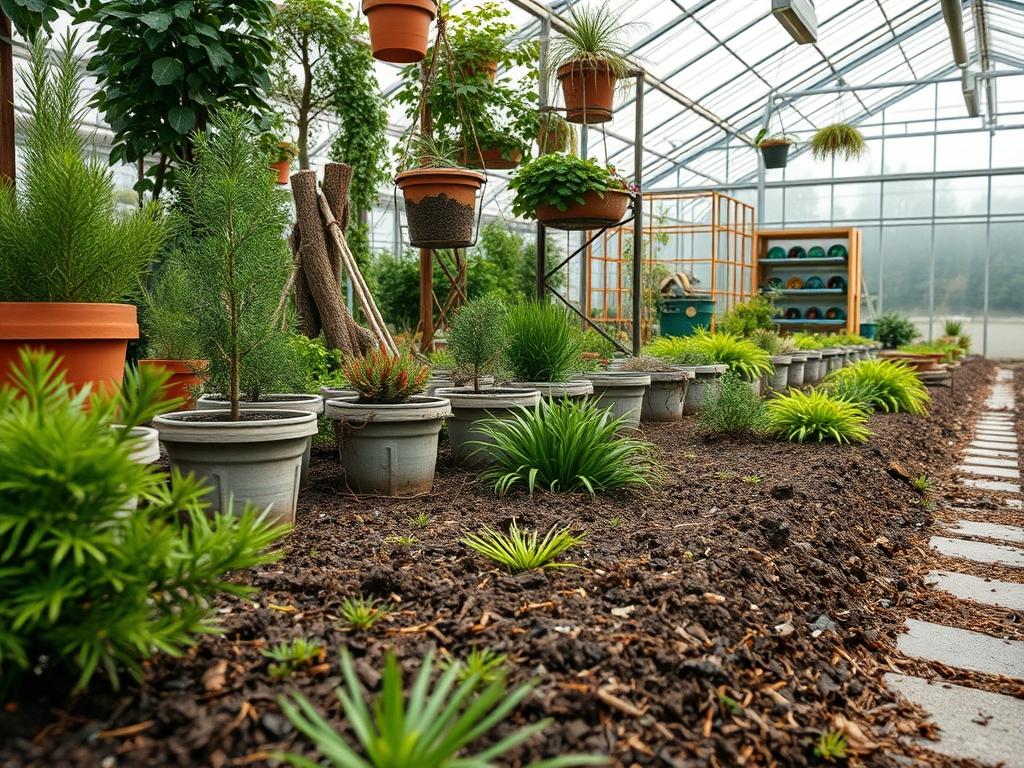
Utilizing pine needles, frequently referred to as pine straw in professional trade circles, offers a distinct textural advantage for large scale residential and commercial landscapes. While this organic material provides excellent insulation and erosion control on sloped terrains, it presents unique challenges regarding Pine Needle Mulch Pests and perceived soil acidity. Many property owners choose this medium because it knits together, creating a stable biological carpet that resists washing away during heavy rain. However, the loose, airy structure of the needles can provide a perfect habitat for unwanted insects if not managed with architectural precision. Successful land management requires balancing the aesthetic appeal of these bronze blankets with technical strategies to mitigate subterranean termite activity and the slow chemical shifts in the soil profile.
The functional goal of any outdoor environment is to harmonize the built structure with the surrounding ecology. When integrating pine needles, we must consider the transition zones where the mulch meets the foundation of a home or the perimeter of a hardscaped patio. If the mulch is laid too thick or remains excessively damp, it invites moisture seeking pests such as earwigs, roaches, and termites. By understanding the lifecycle of these organisms and the physical properties of the mulch, we can design a landscape that remains healthy, vivid, and structurally sound throughout the year.
Landscape Design Principles
Effective landscape design starts with the concept of visual weight and texture. Pine needles provide a fine, linear texture that contrasts beautifully against the broad leaves of Hostas or the structured form of Boxwoods. To achieve symmetry, designers often use pine straw to define large, sweeping beds that mirror the architectural lines of the primary residence. These beds act as a soft transition between high maintenance turf and woodland edges. By using Steel Edging or Concrete Pavers, we can create clean margins that prevent the needles from drifting into walkways, ensuring a crisp, managed appearance.
Elevation layers are crucial when working with pine straw. Because the needles are lightweight, they are ideal for use on berms and embankments where heavier wood chips might slide down during a storm. Incorporating focal points like Standard Tree Form Hydrangeas or large Basalt Boulders within the mulched area breaks up the visual monotony of the brown needles. We also prioritize irrigation planning by installing Drip Irrigation Lines beneath the mulch layer. This keeps the surface needles dry, which significantly reduces the local population of Pine Needle Mulch Pests that thrive in high humidity microclimates.
Visual balance is further enhanced by considering the color palette of the needles as they age. Fresh pine straw has a vibrant copper hue that mutes into a subtle gray brown over six months. Designers must account for this transition by selecting plant species that complement both the warm and cool tones of the decomposing organic matter. Properly planned walkways should be slightly elevated above the mulched beds to ensure that needles are not tracked into the home or pool areas, maintaining the functionality of high traffic outdoor living spaces.
Plant and Material Selection
The following table outlines species that excel in environments where pine needles are utilized as the primary ground cover. These plants generally prefer the slightly acidic conditions and excellent drainage associated with coniferous mulch.
| Plant Type | Sun Exposure | Soil Needs | Water Demand | Growth Speed | Maintenance Level |
| :— | :— | :— | :— | :— | :— |
| Azalea (Rhododendron) | Partial Shade | Acidic, Well Drained | Moderate | Medium | Low to Moderate |
| Blueberry (Vaccinium) | Full Sun | Highly Acidic | High | Medium | Moderate |
| Japanese Maple | Partial Sun | Loamy, Well Drained | Moderate | Slow | Moderate |
| Christmas Fern | Full Shade | Moist, Organic | Moderate | Slow | Low |
| Gardenia | Full Sun to Part Shade | Rich, Acidic | High | Medium | High |
| Oakleaf Hydrangea | Part Shade | Loose, Well Drained | Moderate | Fast | Low |
Implementation Strategy
A professional landscape layout begins with thorough site preparation. We start by Grading the area to ensure a 2 percent slope away from the foundation of the house. This prevents water from pooling under the needles, which is the primary cause of pest infestations. Once the grade is established, we install a high quality Geotextile Fabric in areas where weed suppression is a priority, though many architects prefer to lay the needles directly on the soil to allow for nutrient cycling.
The next step involves Edging. We recommend a deep 4 inch trench edge or a physical barrier like Cortan Steel to contain the mulch. When applying the pine straw, a depth of 3 inches is the industry standard. This thickness is sufficient to suppress weeds and retain moisture for plant roots while allowing air to reach the soil surface. To manage Pine Needle Mulch Pests, we suggest maintaining a 12 inch buffer zone of inorganic material, such as River Rock or Pea Gravel, between the pine needles and the wooden elements of a structure. This gap acts as a dry moat that discourages termites and carpenter ants from bridging the gap into the home.
Finally, we address the irrigation. Subsurface Emitters are placed strategically around the root balls of the plants. By watering the soil directly and keeping the top layer of pine needles dry, we minimize the damp environment that many pests require for nesting. This strategy also slows the decomposition of the needles, extending the lifespan of the mulch and reducing the frequency of reapplication.
Common Landscaping Failures
The most frequent mistake in garden planning is the “volcano mulching” technique, where needles are piled against the trunks of trees. This traps moisture against the bark, leading to rot and providing a direct highway for wood boring insects. Furthermore, improper spacing often leads to root overcrowding. When plants are placed too close together, the dense canopy prevents sunlight from reaching the mulch, keeping it perpetually wet and promoting fungal growth and pest proliferation.
Another significant failure is ignoring soil compaction before the mulch is applied. If the soil is hard packed, water will sit on top of the ground beneath the needles, creating a stagnant pool that attracts mosquitoes and promotes root rot. We use a Rototiller or Core Aerator to loosen the soil before any plants or mulch are introduced. Lastly, many homeowners believe that pine needles will drastically turn their soil into an acidic wasteland. While the needles are slightly acidic, their impact on the pH of the soil deep in the root zone is often minimal. The failure lies in not testing the soil; assuming acidity and adding lime without a Soil Test Kit can lead to alkaline spikes that harm acid loving plants like Azaleas.
Seasonal Maintenance
Spring is the time for a light refresh. We recommend “fluffing” the existing needles with a Garden Fork to improve aeration and adding a thin 1 inch layer of fresh straw to restore the copper color. This is also the ideal window to apply an organic pest repellent to the perimeter of the beds if you have noticed high activity of ants or beetles.
During the summer, the focus shifts to irrigation management. We monitor the moisture levels to ensure the lower soil stays hydrated while the top layer of needles remains relatively dry. Autumn requires the removal of fallen leaves from the top of the pine needles. If deciduous leaves are allowed to mat down on top of the straw, they create an anaerobic layer that smells foul and attracts slugs and snails.
Winter maintenance involves checking the depth of the mulch after heavy winds. If the needles have shifted and exposed bare soil, they should be redistributed to protect the roots from the freeze thaw cycle. This is also the best time for structural pruning of the surrounding trees and shrubs to ensure adequate light and airflow reach the mulched beds in the coming spring, further deterring Pine Needle Mulch Pests that prefer stagnant, dark conditions.
Professional Landscaping FAQ
Do pine needles attract termites to my home foundation?
Pine needles do not actively attract termites more than other organic mulches, but their ability to retain moisture can provide a favorable habitat. Maintain a 12 inch gravel buffer between the mulch and your foundation to prevent pest entry.
How often should I refresh my pine straw beds?
For maximum curb appeal and effective weed suppression, a light top dressing should be applied every six to twelve months. This maintains the structural integrity of the mulch layer and replaces needles that have decomposed into the soil.
Will pine needle mulch kill my lawn if it blows away?
Pine needles will not chemically kill your grass, but a thick layer can smother turf by blocking sunlight and oxygen. Promptly rake any stray needles back into the designated beds to maintain a healthy and vibrant lawn perimeter.
Can I use pine needles in a vegetable garden?
Yes, pine needles are excellent for walkways and around acid tolerant crops like strawberries. However, avoid using them around alkaline loving vegetables like asparagus. Ensure the needles are free from chemical pesticides before putting them near food crops.
Do I need to pull weed fabric before adding new needles?
If your current weed fabric is torn or clogged with silt, it is best to remove it. However, if it is still functional, you can simply add your fresh 3 inch layer of pine straw directly over the old material.