
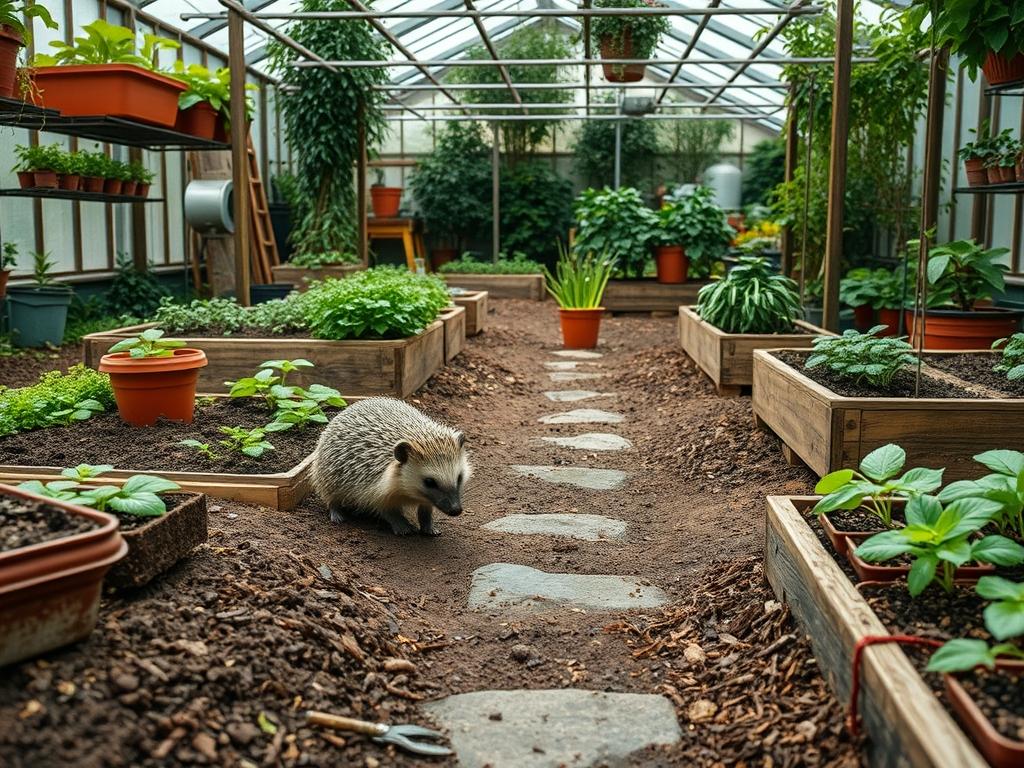
A successful landscape design must reconcile the desire for pristine aesthetics with the functional necessity of a thriving ecosystem. For many property owners, the presence of hedgehogs represents the pinnacle of a healthy garden environment. These insectivores act as natural managers of garden pests, yet they are increasingly threatened by traditional maintenance practices. Achieving Hedgehog Safe Pest Control requires more than just swapping out chemicals; it necessitates a comprehensive architectural approach to the outdoor environment. We must consider how drainage, irrigation, and elevation interact to create a space that is both beautiful and protective. Modern landscaping is no longer just about curb appeal; it is about site-specific ecology that enhances property value through sustainable functionality.
The primary landscaping challenge in temperate climates involves balancing lush, green lawns with the reality of local pest populations. Slugs, snails, and beetles are attracted to irrigated turf and damp mulch beds. While these are the primary food source for hedgehogs, they are often the target of harsh chemical applications. When we apply synthetic pesticides, we create a toxic food chain. The goal of a senior landscape consultant is to design a site that mitigates pest damage through physical barriers and biological diversity while ensuring the safety of beneficial wildlife. This transition requires a shift toward integrated pest management, using the structure of the garden itself as the first line of defense.
Landscape Design Principles
Great landscape design relies on the core principles of symmetry, focal points, and elevation layers to guide the viewer eyes through the space. However, in a hedgehog-friendly environment, these principles must serve dual purposes. Symmetry is often achieved through formal hedging or rows of perennials, but to support Hedgehog Safe Pest Control, these rows should include gaps and corridors. Maintaining a 13cm x 13cm hole at the base of boundary fences is a critical design requirement. This allows for movement between foraging grounds, preventing the isolation of small populations.
Focal points, such as a Custom Stone Water Feature or a massive Bonsai Specimen, should be designed with accessible, shallow water levels to provide hydration without the risk of drowning. Elevation layers are equally important. By using Natural Stone Retaining Walls or terraced garden beds, you can create various microclimates. Higher elevations with well-drained soil are perfect for aromatic herbs that deter certain pests, while lower, more humid layers support the insects that hedgehogs hunt. Visual balance is maintained by mixing high-canopy trees with mid-level shrubs and ground-level cover, creating a complex 3D lattice that provides shelter from predators.
Plant and Material Selection
Selecting the right materials is the cornerstone of sustainable garden planning. The goal is to choose plants that are resilient and materials that facilitate natural drainage.
| Plant Type | Sun Exposure | Soil Needs | Water Demand | Growth Speed | Maintenance Level |
| :— | :— | :— | :— | :— | :— |
| Native Hawthorn | Full Sun to Partial Shade | Well-drained | Moderate | Fast | Low |
| English Lavender | Full Sun | Sandy/Gravelly | Low | Moderate | Moderate |
| Hardy Ferns | Full Shade | Loamy/Moist | High | Slow | Very Low |
| Foxgloves | Partial Shade | Humus-rich | Moderate | Fast | Medium |
| Common Juniper | Full Sun | Variable | Low | Slow | Very Low |
The use of Organic Cedar Mulch is preferable over dyed or synthetic alternatives. Cedar contains natural oils that repel harmful wood-boring insects while remaining safe for ground-dwelling mammals. For hardscaping, prioritize Permeable Pavers or Decomposed Granite. These materials allow rainwater to penetrate the soil rather than creating runoff, which can carry pollutants into delicate wildlife habitats.
Implementation Strategy
The implementation phase begins with professional grading. Proper grading ensures that water flows away from fixed structures and toward designated Rain Gardens or Dry Creek Beds. During the layout of the backyard, use a Laser Level to determine the slope. A grade of 2 percent is usually sufficient to prevent pooling. Once the grading is complete, install French Drains if subterranean water management is necessary. These drains should be topped with river rock to create an attractive, functional drainage solution.
When installation begins, define the edges of your beds using Steel Edging or Tumbled Brick. Sharp, clean lines enhance curb appeal, but the depth is what matters for pest control. A deep mulch layer of at least 3 inches suppresses weed growth and maintains soil moisture, reducing the need for intensive irrigation. Regarding pest management, instead of broadcasting pellets, utilize Nematodes mixed into a watering can. This biological control targets slugs in the soil without leaving toxic residues. For physical barriers, Copper Tape can be applied to the base of Raised Planter Boxes to deter mollusks without harming the hedgehogs that visit later in the evening.
Common Landscaping Failures
The most common failure in modern landscaping is improper drainage planning. When water stagnates, it creates a breeding ground for pests that can overwhelm a garden, leading homeowners to reach for toxic chemicals. Another frequent error is root overcrowding. Planting Buxus Shrubs or Yew Trees too close together restricts airflow, encouraging fungal diseases and aphid infestations. Always follow the spacing recommendations provided by the nursery, typically measuring from the center of each plant.
Soil compaction is another silent killer of garden health. During the construction of retaining walls or patios, heavy machinery often packs the earth so tightly that roots cannot penetrate and water cannot drain. This creates an inhospitable environment for the worms and beetles that hedgehogs rely on. To fix this, use a Core Aerator or incorporate Organic Compost to break up the clay. Finally, irrigation inefficiencies, such as over-watering or watering at the wrong time of day, lead to weak root systems and increased pest pressure.
Seasonal Maintenance
Seasonal maintenance ensures the longevity of the landscape and the safety of its inhabitants. In the spring, focus on cleaning out Gutter Runoff Points and applying a fresh layer of Composted Bark. This is also the best time for Core Aeration to relieve winter compaction. As summer arrives, monitor your Drip Irrigation System for leaks. Drip systems are far superior to overhead sprinklers because they deliver water directly to the root zone, keeping the foliage dry and reducing the risk of pests like snails.
Autumn is a critical transition period. When clearing leaves, avoid being too thorough in the corners of the property. Leaving a small pile of Leaf Litter and Dried Twigs provides essential nesting material for hibernating hedgehogs. In winter, hold back on heavy pruning or major excavations. The soil should remain undisturbed to protect dormant beneficial insects and mammals. If you must use salt for de-icing walkways, choose an Eco-friendly Ice Melt that will not burn the paws of wildlife or alter the soil pH when it melts into the garden beds.
Professional Landscaping FAQ
How can I stop slugs without using pellets?
Utilize Biological Nematodes applied to the soil in spring and autumn. These microscopic organisms naturally eliminate slug populations from within the earth. This method is completely silent, invisible, and safe for all mammals, birds, and beneficial insects in your landscape.
Will a hedgehog highway ruin my fence aesthetics?
Modern design incorporates 13cm x 13cm Decorative Archways into the base of wooden fences. These small gaps can be framed with matching timber or metal to look like a deliberate architectural detail rather than an oversight or a structural flaw.
What is the best mulch for pest deterrence?
Aromatic Cedar Mulch and Pine Bark are excellent choices. Their natural resins provide an organic barrier against many common pests. Avoid using cocoa shell mulch, as it can be toxic to dogs and may attract unwanted rodents.
Does lighting affect hedgehog safety?
High-intensity LED Floodlights can disrupt the nocturnal foraging patterns of hedgehogs. Instead, use low-voltage Path Lighting with warm-toned bulbs. Position these fixtures to point downward, minimizing light pollution while still providing safety for human navigation at night.
How do I manage weeds safely?
The most effective method is a combination of Geotextile Fabric and a thick layer of Organic Mulch. For persistent weeds, use a Propane Torch or a concentrated vinegar solution on a hot day, avoiding the need for synthetic herbicides.