
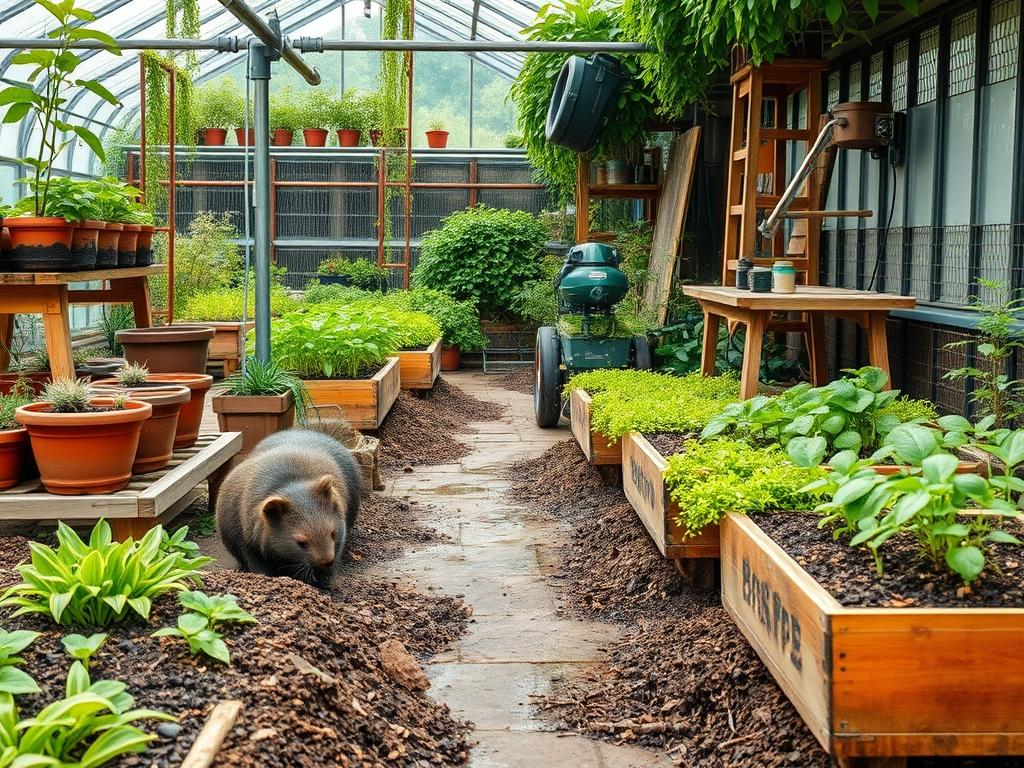
Maintaining a sophisticated outdoor environment requires more than a keen eye for aesthetics; it demands a technical understanding of the biological stressors that exist beneath the soil surface. When a landscape architect designs a property, the goal is to create a seamless transition between the built environment and the organic world. However, subterranean disruptors can compromise this vision within a single season. Achieving pristine curb appeal and functional outdoor living spaces depends heavily on the health of the root zone and the stability of the turf. For many homeowners and estate managers, the sudden appearance of disturbed earth indicates a critical conflict. This is usually where the challenge of Mole vs Vole Identification begins. Identifying the specific architect of this underground destruction is the first step toward preserving the structural integrity of your garden beds, walkways, and manicured lawns.
Moles and voles represent two entirely different biological threats to a professional landscape. Moles are insectivores, characterized by their velvet fur and powerful, paddle-like front claws designed for excavating through dense soil. They typically do not consume vegetation, but their pursuit of earthworms and grubs results in the famous “volcano” mounds that ruin the level grade of a lawn. Conversely, voles are herbivorous rodents that resemble field mice with shorter tails and heavier bodies. While moles ruin the lawn’s surface, voles represent a direct threat to the botanical investment of the property. They create surface runways through the grass and consume the root systems of ornamental shrubs and bulbs. Understanding these differences allows a consultant to prescribe the correct remediation strategy, ensuring that the visual balance of the site remains uninterrupted.
Landscape Design Principles
A successful landscape design incorporates symmetry and focal points to guide the eye, but these elements require a stable foundation. When mole tunnels create air pockets beneath the surface, the soil can collapse, leading to uneven topography that disrupts the visual flow. From a functional standpoint, these tunnels can interfere with the precision of irrigation systems by diverting water away from the intended root balls of high-value specimens. To combat this, architects often utilize elevation layers. By creating raised beds with integrated barriers, you can isolate sensitive plant groupings from subterranean traffic.
Visual balance is not just about the plants; it involves the hardscaping and the transition zones between different materials. A mole infestation can destabilize the sub-base of Flagstone paths or Paver Patios, leading to shifting stones and tripping hazards. Furthermore, the presence of voles in a garden can lead to the sudden death of a “focal point” plant, such as a mature Japanese Maple, which creates an immediate and jarring void in the design. Professional planning incorporates the use of solid edging and deep footers to discourage these pests from crossing into high-priority zones. By integrating these invisible defenses into the initial design phase, a landscape architect ensures the longevity of the site’s aesthetic.
Plant and Material Selection
Selecting the right materials is the second line of defense in a professional garden plan. While some plants are susceptible to root damage, others offer natural resilience or provide structural barriers.
| Plant Type | Sun Exposure | Soil Needs | Water Demand | Growth Speed | Maintenance Level |
| :— | :— | :— | :— | :— | :— |
| Boxwood (Buxus) | Full to Partial | Well-drained | Moderate | Slow | Medium |
| Alliums (Ornamental Onion) | Full Sun | Gritty, Lean | Low | Fast | Low |
| Lavender (Lavandula) | Full Sun | Sandy, Alkaline | Low | Moderate | Low |
| River Birch (Betula nigra) | Full to Partial | Moist, Acidic | High | Fast | Medium |
| Fritillaria | Full to Partial | Rich, Loamy | Moderate | Fast | Medium |
| Daffodils (Narcissus) | Full to Partial | Average | Moderate | Fast | Low |
Using Daffodils and Alliums is a strategic choice because their bulbs are unpalatable to voles. Integrating these into the foreground of a perennial border provides a chemical deterrent that can protect more vulnerable species installed deeper in the bed. Additionally, using Pea Gravel or Crushed Granite as a mulch layer in certain areas can discourage voles, as they find it difficult to tunnel through sharp, loose aggregates compared to standard organic Hardwood Mulch.
Implementation Strategy
Implementing a landscape plan requires a systematic approach to site preparation. The first step involves proper grading to ensure that water moves away from the foundation and does not pool in low spots. Poor drainage creates soft soil, which is highly attractive to moles looking for an easy tunneling environment. When laying out the garden, use Steel Edging or Heavy-Duty Composite Edging installed at a depth of at least 6 inches. This creates a physical perimeter that voles are less likely to breach.
For high-value areas like rose gardens or vegetable plots, professionals often install 1/4-inch Hardware Cloth or Gopher Wire beneath the planting zone. This galvanized mesh acts as a permanent underground cage, allowing roots to grow through while keeping rodents out. When applying mulch, maintain a depth of no more than 2 to 3 inches. Excessive mulch provides a perfect insulated habitat for voles to create surface runways undetected. Finally, ensure that all irrigation lines are buried at a consistent depth and mapped correctly. This prevents accidental damage during future maintenance or pest control efforts.
Common Landscaping Failures
One of the most frequent mistakes in residential landscaping is the over-irrigation of turf. Constant moisture attracts earthworms and grubs to the surface layer, which in turn acts as a primary food source for moles. When the soil becomes saturated, it loses its structural load-bearing capacity, making mole tunnels even more damaging to the turf’s profile. Another failure point is improper spacing. When plants are crowded together, it creates a dense, shaded canopy that allows voles to move between plants without the fear of predators.
Soil compaction is another silent killer of landscape health. While it might seem that compacted soil would deter pests, it actually forces moles to stay closer to the surface, where their damage is most visible. Furthermore, many enthusiasts fail to manage the “thatch” layer in their lawns. A thick layer of dead organic matter between the grass blades and the soil provides the exact cover a vole needs to strip the bark from the base of a tree, a process known as girdling, which can kill a mature specimen in a single winter.
Seasonal Maintenance
Landscape management is a year-round commitment that changes with the weather. In the Spring, the focus is on repairing any winter upheaval. This is the best time for Core Aeration, which reduces soil compaction and improves oxygen flow to the roots. It is also the peak time for identifying new mole activity as the ground thaws. Use a heavy Lawn Roller to flatten any tunnels and restore the level grade of the turf.
During the Summer, focus on irrigation efficiency. Check for leaks in the lines, as a hidden leak can create a localized “buffet” for moles. In the Autumn, clean up fallen fruit and excessive leaf litter. Voles thrive in the debris left behind after the growing season, using it for nesting material. This is also the time to apply Castor Oil based repellents to the soil, which can encourage moles to move away from high-traffic garden areas.
In the Winter, protection is paramount. Wrap the trunks of young trees with Plastic Tree Guards or Hardware Cloth to prevent voles from eating the bark under the snow line. Since food is scarce during the cold months, voles become much more aggressive in their feeding habits. Regularly check for small holes in the snow or soil surface that indicate active runways.
Professional Landscaping FAQ
How do I tell the difference between a mole and a vole?
Look at the damage. Moles create raised ridges and cone-shaped dirt mounds. Voles leave clear, open runways about two inches wide on the surface of the grass or through the mulch, often leading to small holes near plant bases.
Do moles actually eat the roots of my expensive shrubs?
No, moles are insectivores and focus on grubs or worms. If your plants are dying from root loss, the culprit is likely a vole. However, mole tunnels can leave roots hanging in air pockets, causing them to dry out and die.
Can certain types of mulch prevent vole infestations?
While no mulch is 100 percent effective, sharp materials like Expanded Shale or Crushed Stone can deter tunneling. Avoid deep layers of organic mulch against the stems of plants, as this provides a hidden habitat where voles can nest and feed.
Is it possible to use landscape lighting to deter these pests?
Most subterranean pests are unaffected by standard landscape lighting. However, maintaining a well-lit and “open” garden design reduces the hiding spots for voles and encourages natural predators like owls and hawks to hunt in the area, providing a biological control.
What is the best way to fix a lawn ruined by tunnels?
First, address the food source by treating for grubs if necessary. Once the pests are gone, use a Lawn Roller to collapse the tunnels. Top-dress the area with a mix of Sand and Compost to level the surface before reseeding.