
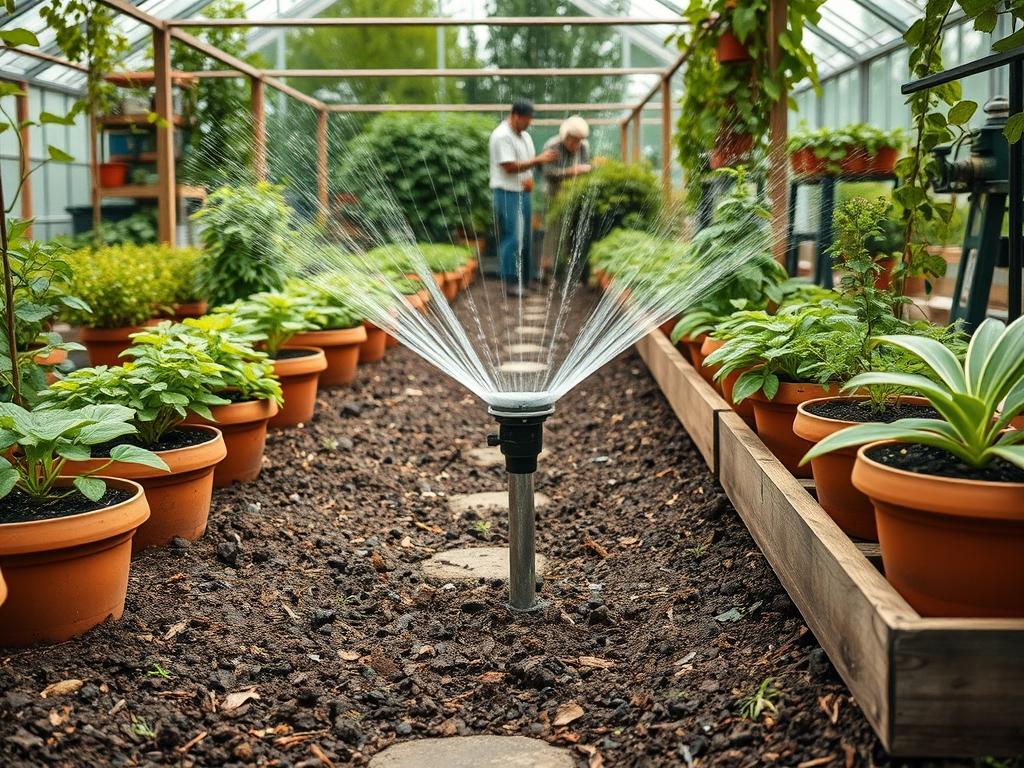
The preservation of a high-value landscape requires more than just aesthetic intuition; it demands a tactical approach to wildlife management. For many homeowners and commercial property managers, the presence of deer represents a significant threat to curb appeal and the long-term health of expensive nursery stock. A single evening of browsing can decimate a meticulously planned perennial border or strip the lower limbs of ornamental trees, creating a permanent browse line that ruins the visual symmetry of the environment. While fences offer a physical barrier, they often interfere with the sightlines and open-concept feelings that modern landscape design seeks to achieve. This is where the integration of Motion Activated Sprinklers becomes a vital component of a professional outdoor environment. These devices provide a non-lethal, high-tech solution that uses the element of surprise to modify animal behavior without sacrificing the architectural integrity of the garden. By leveraging sudden bursts of water and the accompanying sound of the mechanical valve, these units create an exclusion zone that protects vulnerable specimens.
Landscape Design Principles
Effective landscape design relies on the core principles of symmetry, focal points, and elevation layers to guide the eye and create a sense of order. When integrating deterrent systems, these principles must be balanced with the functional requirements of the technology. A focal point, such as a specimen Japanese Maple or a collection of high-value Hostas, often requires a dedicated sprinkler unit placed at a specific angle to ensure total coverage. Symmetry dictates that if one side of a driveway is protected, the other should be as well to prevent deer from simply shifting their grazing patterns to the unprotected zone.
Elevation layers are equally important for sensor placement. Landscapes are often graded to create visual interest or manage drainage, and these changes in height affect the infrared sensor’s line of sight. If a Retaining Wall creates a separate tier in the garden, a sensor placed at the base may miss a deer standing on the upper level. Conversely, a unit placed too high might overshoot the target. Professional irrigation planning also considers the Spray Arc and Flow Rate to ensure that the deterrent does not accidentally drench pedestrian Walkways or outdoor seating areas. Visual balance is maintained by camouflaging the sprinkler units within dense groundcover or placing them behind structural elements like boulders, ensuring the technology remains invisible while the garden thrives.
Plant and Material Selection
Selecting the right plant material is the first line of defense in any professional landscape. While the motion-activated system provides an active deterrent, using plants with varying levels of deer resistance helps create a layered defense strategy. The following table outlines several species frequently used in professional designs that may require additional protection or serve as structural anchors.
| Plant Type | Sun Exposure | Soil Needs | Water Demand | Growth Speed | Maintenance Level |
| :— | :— | :— | :— | :— | :— |
| Buxus Sempervirens | Full Sun / Part Shade | Well-drained, Loamy | Moderate | Slow | Medium |
| Taxus x Media | Full Sun to Shade | Adaptable / Moist | Moderate | Medium | High |
| Echinacea Purpurea | Full Sun | Well-drained | Low | Fast | Low |
| Nepeta x Faassenii | Full Sun | Dry to Medium | Low | Fast | Low |
| Heuchera | Part Shade to Shade | Organic-rich | Moderate | Medium | Medium |
| Hydrangea Macrophylla | Part Shade | Rich, Moist | High | Fast | High |
Implementation Strategy
The successful implementation of a Motion Activated Sprinkler system begins with a detailed site analysis. You must first identify the primary entry points used by wildlife, which are often found near wooded borders or gaps in existing perimeter plantings. Once these corridors are identified, the next step is to evaluate the Grading and Drainage of the site. Because these units use pressurized water, repetitive firing in a single location can lead to localized saturation. If the soil is heavy clay, this can create a muddy area that compromises the health of nearby roots.
Start the layout process by marking the Detection Zone for each unit. Most professional-grade sensors offer a range of 30 to 40 feet with a variable arc up to 360 degrees. Position the units so that their coverage areas overlap slightly, ensuring there are no blind spots. When installing the units, use a sturdy Spike Base or mount them to a permanent Riser for stability. Connect the units to a high-quality Garden Hose or, for a more permanent solution, integrate them into the existing Irrigation Main Line using a dedicated zone valve.
After placement, fine-tune the Sensitivity Dial to account for the size of the target. For larger deer, a medium sensitivity setting is usually sufficient to prevent false triggers from wind-blown foliage or small birds. Finally, apply a fresh layer of Bark Mulch at a depth of 2 to 3 inches around the base of the sprinkler and the surrounding plants. This not only hides the water lines but also helps regulate soil temperature and moisture, offsetting any extra water the sprinkler might introduce into the environment.
Common Landscaping Failures
One of the most frequent failures in landscape management is the improper synchronization of irrigation and drainage. If a site has poor Grading, the repeated activation of a motion-activated unit can lead to standing water. This often results in Root Rot or the promotion of fungal diseases in the very plants the system is designed to protect. Another common error is Soil Compaction. Deer often follow the same paths; if the sprinkler logic is not varied, the animal might linger just outside the spray zone, compacting the soil with their hooves and making it difficult for water and oxygen to reach the roots of turfgrass or shrubs.
Improper spacing of plants relative to the sensor is also a significant issue. As Native Cultivars and ornamental shrubs grow, they can obstruct the infrared sensor’s field of view. A system that worked perfectly in the spring may become useless by mid-summer as foliage expands. Furthermore, relying on a single unit for a large area is a tactical mistake. Deer are intelligent creatures; if they find a gap in the coverage, they will exploit it. Professionals avoid this by creating a “multi-layered” deterrent zone that includes different heights and angles of fire to keep the animals off-balance.
Seasonal Maintenance
Landscape management is a year-round commitment. In the spring, the primary focus is on recalibration. As new growth emerges, the detection zones may need to be adjusted to ensure the sensors are not blocked by the rapid expansion of perennial foliage. This is also the time to check all O-rings and Nozzle Apertures for winter damage or mineral buildup. Batteries should be replaced at the start of the season to ensure the infrared sensor remains active during the critical early growth phase when plants are most vulnerable to browsing.
During the summer, the focus shifts to water management. In periods of high heat, ensure the extra water from the deterrent system is not causing Scalping or burning of the lawn. Check the PSI of the water line regularly, as the heavy use of neighborhood municipal water can lead to a drop in pressure, reducing the effective range of the sprinkler. In the autumn, as deer activity increases due to the changing season, you may need to increase the sensitivity of the sensors. Finally, winter maintenance is crucial for the longevity of the equipment. In climates where the ground freezes, all units must be disconnected, drained of water, and stored in a temperature-controlled environment to prevent the plastic housings and internal valves from cracking.
Professional Landscaping FAQ
How many sensors do I need for a standard backyard?
Most residential landscapes require two to four units to provide comprehensive coverage. This allows for overlapping arcs that eliminate blind spots along the perimeter, ensuring deer cannot find a safe path through the garden beds to reach your valuable specimens.
Will the sprinkler trigger for small animals like squirrels or rabbits?
The sensitivity settings on professional units are adjustable. By fine-tuning the dial, you can calibrate the sensor to ignore small movements from wind or rodents while still triggering for the larger body mass of a deer or an unwanted intruder.
Can I run these units off a well pump?
Yes, but you must ensure the well pump provides consistent pressure. If the pump takes too long to cycle on, the initial burst of water may lack the force required to startle the deer effectively. A pressure tank helps maintain immediate response times.
Do motion activated sprinklers waste a significant amount of water?
They are surprisingly efficient. Each activation typically uses only two to three cups of water. Compared to a standard irrigation cycle, the total volume used by a deterrent system over a full season is negligible, making it an eco-friendly pest management option.
Are these systems effective during the night?
Absolutely. Most units utilize passive infrared technology that detects heat signatures, which is highly effective in complete darkness. Since deer are most active during the twilight and nighttime hours, the sensor remains a vigilant guardian when manual deterrents are impossible.