
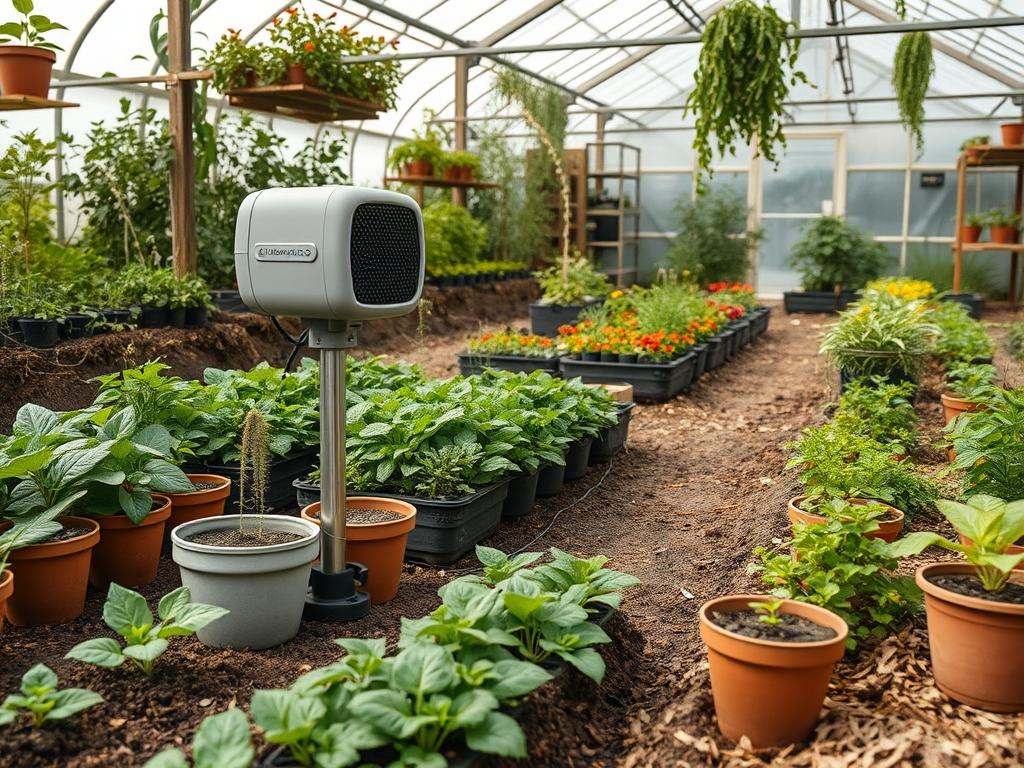
Designing a functional outdoor environment requires a delicate balance between aesthetic ambition and the practical realities of site management. When we approach a new project, we look beyond the initial visual impact of the greenery to consider how the ecosystem will behave over a decade. A significant part of this foresight involves protecting the investment from local wildlife and invasive pests that can decimate a carefully curated garden bed or undermine a retaining wall. Property owners often seek non-invasive solutions to these biological challenges, which is where the debate over ultrasonic pest repellers typically begins. From a professional standpoint, these devices are marketed as a magic bullet for deterring everything from rodents to deer, yet their efficacy in a dynamic outdoor setting is frequently scrutinized. A landscape is not a static gallery; it is a living system where soil density, wind patterns, and ambient noise levels all influence how technology interacts with the environment.
The pursuit of high curb appeal and outdoor utility often clashes with the local fauna. A perfectly leveled lawn can be ruined overnight by the tunneling of moles, while expensive ornamental shrubs can be stripped of foliage by deer in a single evening. While many homeowners hope that high-frequency sound emitters will provide a clean, chemical-free perimeter, the reality is that the physical layout and structural components of the landscape play a much larger role in pest management. We must evaluate these tools through the lens of physics and animal behavior. Most ultrasonic waves are easily blocked by dense foliage, stone walls, or even significant changes in elevation. Therefore, relying solely on electronic deterrence without addressing the foundational design of the garden is rarely a successful long-term strategy for maintaining a premium outdoor space.
Landscape Design Principles
Successful landscaping is rooted in several core architectural principles that ensure the space remains both beautiful and functional. Symmetry and visual balance provide the framework for the eye, guiding a visitor through the space. We often use focal points, such as a large sculptural tree or a custom water feature, to anchor the design. These elements must be protected from damage, as any decay or animal interference with a primary focal point can throw the entire visual weight of the garden out of alignment. If a pest destroys the lower branches of a central conifer, the symmetry of the entrance is compromised.
Elevation layers are equally vital. By utilizing terracing and multi-level planting beds, we can create a sense of depth and privacy even on smaller lots. This verticality, however, creates shadows and obstructions that interfere with the line of sight required for ultrasonic pest repellers to function. High-frequency sounds move much like light; they travel in straight lines and do not penetrate solid objects. Therefore, a garden with complex elevation changes and dense hardscaping will have numerous “dead zones” where pests can reside undisturbed.
Walkways and movement corridors also dictate health and accessibility. We plan flagstone paths or gravel walkways to prevent soil compaction and to guide traffic away from sensitive root zones. These paths also serve as natural barriers. When we integrate technology into these designs, we must consider the irrigation planning as well. Moisture levels in the soil and the presence of automated sprinkler heads can affect the lifespan and range of electronic deterrents, making it essential to coordinate the placement of all mechanical systems during the early drafting phase.
Plant and Material Selection
Choosing the right biological components is the most critical step in creating a resilient landscape. We prioritize native plants that are naturally adapted to the local climate and soil conditions, which reduces the need for constant human intervention.
| Plant Type | Sun Exposure | Soil Needs | Water Demand | Growth Speed | Maintenance Level |
| :— | :— | :— | :— | :— | :— |
| Boxwood Shrub | Full Sun to Part Shade | Well-drained, Loamy | Moderate | Slow | Low to Medium |
| Lavender | Full Sun | Sandy, Alkaline | Low | Medium | Medium |
| White Oak | Full Sun | Deep, Moist, Acidic | Moderate | Slow | Low |
| Switchgrass | Full Sun | Adaptable | Low | Fast | Low |
| Hostas | Full Shade | Rich, Organic | High | Medium | Medium |
| Creeping Thyme | Full Sun | Well-drained | Low | Medium | Low |
Beyond flora, material selection for mulching and edging defines the garden’s longevity. Use cedar mulch for its natural insect-repellent properties and its ability to retain moisture without encouraging root rot. For edging, corten steel or tumbled cobblestone provides a crisp line that prevents grass encroachment into the beds. These materials don’t just look professional; they serve as structural boundaries that can physically limit the movement of certain burrowing pests, providing a more reliable barrier than sound alone.
Implementation Strategy
The transition from a design on paper to a realized landscape involves a strict sequence of operations. We begin with grading, ensuring that the land slopes away from any structural foundations at a minimum of two percent. This prevents water from pooling, which is the primary cause of plant death and stone degradation. Once the grade is established, we install the drainage systems, such as French drains or subsurface pipes, to redirect excess runoff to a designated bioswale or municipal drain.
After the infrastructure is in place, we focus on hardscaping. This includes the construction of retaining walls, patios, and walkways. We use a compactor to ensure the base layers of crushed stone are stable before laying the finish material. Only after the heavy construction is finished do we move to planting. We dig holes that are twice as wide as the root ball but no deeper, ensuring the crown of the plant sits slightly above the soil line to prevent rot.
For those attempting to integrate ultrasonic pest repellers during this phase, placement is key. Devices should be mounted on sturdy posts at the entry points of the garden. However, do not expect them to protect an entire acre. They should be viewed as secondary support to physical barriers like fencing or deer netting. The installation of landscape lighting can also be coordinated with these devices, as some units utilize motion-activated lights in conjunction with sound to increase the startle response in nocturnal animals.
Common Landscaping Failures
The most frequent mistake we see in residential landscapes is poor drainage planning. When water sits stagnant in the soil, it displaces oxygen, leading to root suffocation and a host of fungal diseases. Another common error is root overcrowding. Homeowners often want an “instant” garden and plant trees and shrubs too close together. Within five years, these plants compete for nutrients and water, leading to a stunted and sickly appearance.
Soil compaction is a silent killer of high-end landscapes. During construction, heavy machinery can crush the soil structure, leaving it as hard as concrete. This prevents water penetration and kills the beneficial microbes necessary for plant health. We also frequently encounter irrigation inefficiencies, where systems are set to a timer rather than being adjusted for actual weather patterns. Overwatering is just as damaging as underwatering, often leading to shallow root systems that cannot survive a summer drought. Finally, regarding pest control, the biggest failure is the “set it and forget it” mentality. Whether using ultrasonic devices or organic sprays, animals eventually habituate to consistent stimuli. A landscape requires a multi-faceted defense strategy to remain pristine.
Seasonal Maintenance
Landscape management is a year-round commitment that changes with the cycles of the sun. In the spring, we focus on soil testing and amendment. We apply a fresh layer of organic mulch (typically two to three inches deep) and prune away any winter kill. This is also the time to inspect irrigation lines for leaks caused by the winter freeze.
During the summer, the priority shifts to hydration and stress management. We monitor for signs of heat exhaustion and pest outbreaks. Long, deep watering sessions in the early morning are far more effective than short, daily bursts in the afternoon. Autumn is the season for “putting the garden to bed.” We plant dormant bulbs, conduct a final mow of the lawn at a lower height, and clear leaves to prevent mold growth on the turf.
In the winter, we protect sensitive species from frost and heavy snow loads. We use burlap wraps for younger trees and apply dormant oil to fruit trees to kill overwintering insect eggs. For those using electronic deterrents, winter is often the time they fail. Cold temperatures can drain batteries, and heavy snow can bury the units, rendering their sensors and speakers useless. Professional maintenance requires adjusting your strategy to meet these environmental shifts.
Professional Landscaping FAQ
How do I decide where to place my repeller?
Place devices in open areas with a clear line of sight to the protected plants. Avoid placing them behind bushes, walls, or thick ground cover, as these objects will absorb and block the ultrasonic waves completely.
Will ultrasonic waves affect my household pets?
Most high-frequency devices operate at levels that are audible to dogs and cats. If you have pets that spend significant time outdoors, consult the manufacturer specifications to ensure the frequency range will not cause them unnecessary stress or discomfort.
What is the best way to prevent soil compaction?
Utilize designated walkways made of permeable pavers or steppers to direct foot traffic. In planting beds, avoid stepping on the soil directly. Aerate your lawn annually using a core aerator to restore oxygen and water flow.
How deep should my mulch layer be?
A standard professional application is two to three inches. Applying mulch too thickly, commonly known as “volcano mulching,” can suffocate roots and trap too much moisture against the bark, leading to trunk rot and pest infestations.
Do these devices work on all garden pests?
Research suggests that their effectiveness is highly variable. While some rodents may initially flee, many animals become accustomed to the sound over time. They are best used as part of an integrated management plan that includes physical barriers.