
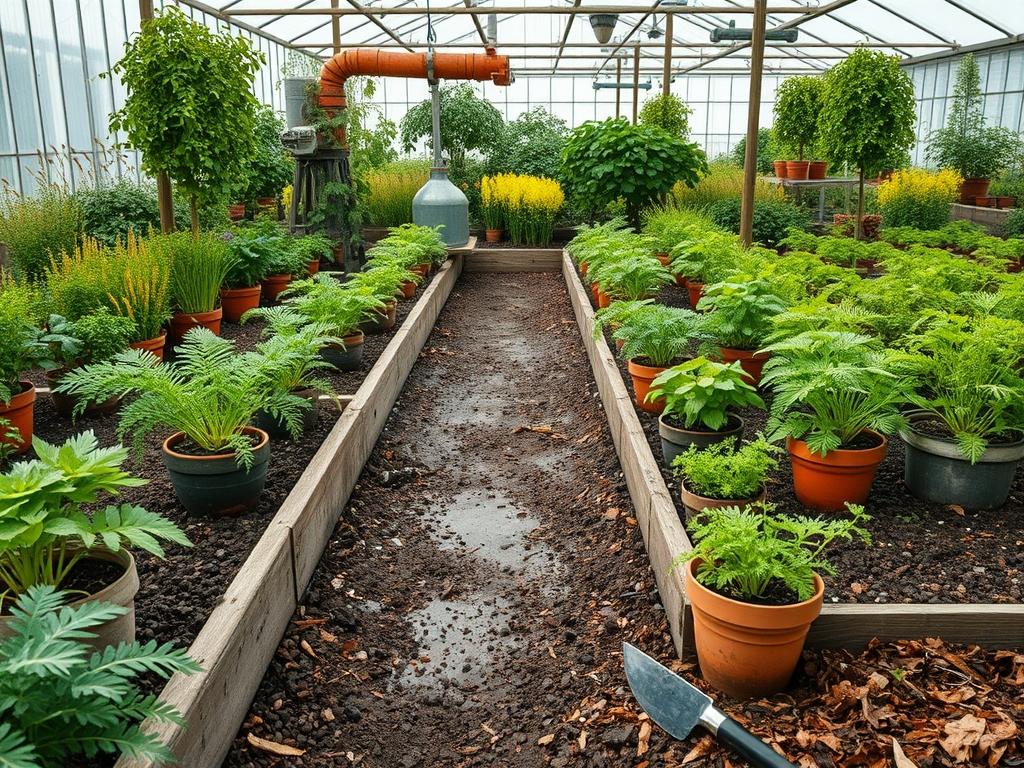
Integrating a high-yield edible component into a sophisticated residential environment requires a balance between aesthetic cohesion and biological strategy. The presence of the carrot rust fly, or Psila rosae, often dictates the structural layout of a kitchen garden, as these pests can decimate a crop and diminish the overall functionality of the outdoor living space. From a senior landscape perspective, a garden that fails to produce because of infestation is a design failure. We must view the vegetable plot not merely as a utility zone, but as a site-specific installation that requires protection against localized environmental challenges. Effective carrot rust fly prevention relies on a comprehensive understanding of the insects flight patterns, the microclimate of the property, and the physical barriers that maintain the visual integrity of the landscape. By elevating the garden design through intentional grading and permanent row cover architecture, we ensure the edible landscape contributes to the property curb appeal while remaining highly productive.
The challenge in modern landscaping is to manage these environmental pressures without resorting to industrial-grade chemicals that disrupt the local ecosystem. High-end outdoor environments prioritize sustainability and soil health; therefore, we must implement physical exclusion tactics that integrate seamlessly with hardscaping and permanent plantings. The goal is to create a multi-layered defense system that utilizes wind patterns, elevation, and material selection to frustrate the migration of pests. A well-planned garden layout avoids the haphazard look of temporary fixes, instead opting for built-in solutions that provide long-term protection for delicate root crops like Daucus carota.
Landscape Design Principles
When designing for carrot rust fly prevention, the primary architectural consideration is elevation. These flies are notoriously low-altitude travelers, rarely rising more than 2 feet to 3 feet above the ground in search of a host. By utilizing retaining walls or raised garden beds that sit at a height of 36 inches or higher, the landscape architect creates a physical tier that is naturally less accessible to the pest. This vertical layering adds depth to the landscape and serves as a primary focal point, drawing the eye upward and away from the flat planes of the lawn. Symmetry plays a vital role here as well; matching raised beds on either side of a central flagstone walkway creates a formal structure that feels intentional and luxurious.
Irrigation planning must be integrated during the initial mapping phase. For carrot crops protected by row covers, overhead watering is inefficient and can lead to fungal issues within the humid microclimate of the enclosure. We prioritize drip irrigation systems or soaker hoses buried beneath a thin layer of fine-screened mulch. This ensures that water reaches the root zone directly without disturbing the delicate physical barriers. Furthermore, the placement of the garden should take advantage of natural wind corridors. The carrot rust fly is a weak flier. Designing the garden in an open, breezy area of the property, rather than stuffed into a stagnant corner, provides a secondary layer of environmental defense that complements the hardscape.
Plant and Material Selection
Selecting the right materials is as critical as selecting the plant species themselves. The mesh size of a row cover determines its efficacy against specific pests; for the carrot rust fly, a 0.6mm or 0.8mm ultra-fine mesh is the industry standard. This must be paired with companion plants that offer textural contrast and potential scent masking.
| Plant or Material | Sun Exposure | Soil Needs | Water Demand | Growth Speed | Maintenance Level |
| :— | :— | :— | :— | :— | :— |
| Nantes Carrots | Full Sun | Sandy Loam | Moderate | Medium | Medium |
| Allium (Chives) | Full/Partial | Well-drained | Low | Fast | Low |
| ProtekNet Mesh | N/A | N/A | N/A | Permanent | Low |
| Rosemary | Full Sun | Gritty/Dry | Low | Slow | Moderate |
| Cedar 4×4 Posts | N/A | N/A | N/A | Structural | Low |
The use of cedar lumber for the structural framing of row covers is preferred over PVC or plastic due to its longevity and natural aesthetic. When integrated with stainless steel hardware, these frames become a permanent part of the garden architecture. For the soil, a high-porosity sandy loam is essential to prevent the compaction that often attracts root-dwelling larvae.
Implementation Strategy
The implementation begins with proper site grading to ensure that the garden beds do not collect stagnant water. A 1% to 2% slope across the general garden area helps manage runoff. For the specific carrot beds, we recommend a trenching method for the row covers. Dig a shallow trench around the perimeter of the bed, roughly 6 inches deep. After sowing the seeds and installing the support hoops (made of 9-gauge galvanized wire), the edges of the Agribon or mesh fabric are buried in the trench. This creates an airtight seal that prevents flies from crawling under the cover at ground level.
Edging materials like cor-ten steel or cobblestone serve as the transition between the garden beds and the transition walkways. These materials provide a clean line that defines the space while also protecting the mesh covers from the blades of string trimmers or lawnmowers. Mulch selection should be specific to the crop. For carrots, a 1 inch layer of shredded cedar mulch or straw is applied after the seedlings have reached 3 inches in height. This helps regulate soil temperature and moisture. Drainage is further optimized by adding a layer of pea gravel beneath the base of the raised beds, preventing the soil from becoming waterlogged during heavy rain events.
Common Landscaping Failures
The most frequent mistake in carrot rust fly prevention is failing to seal the edges of the row covers properly. Even a small gap of 1 inch is enough for a female fly to enter and lay hundreds of eggs in the soil. Furthermore, many property owners ignore the importance of crop rotation within their landscape design. If carrots are grown in the same bed every year, the fly larvae will pupate in the soil and emerge directly under the new row covers. We recommend a three-year rotation cycle.
Soil compaction is another critical failure point. When soil is too dense, carrots become deformed, and the resulting stress makes them more susceptible to pest damage. Avoiding foot traffic within the planting area is essential; this is why we design garden beds with a maximum width of 4 feet, allowing access from both sides without ever stepping on the soil. Irrigation inefficiencies, such as uneven spraying, can create dry pockets where the soil crusts over, preventing the carrot seeds from even germinating under the covers.
Seasonal Maintenance
Spring maintenance focuses on early intervention. As soon as the soil is workable, the structural frames for the row covers should be inspected for winter damage. We recommend installing the covers immediately upon sowing the first spring crop to catch the initial flight of the flies. In the summer, the primary task is monitoring the tension of the mesh. High temperatures can cause fabric to sag, and heavy summer storms may move the buried edges. Checking the drip emitters for mineral buildup is also vital to keep the crop hydrated during heat spikes.
Autumn involves a thorough cleanup. Once the final harvest is complete, all plant debris must be removed and composted far from the vegetable plot to eliminate overwintering sites for the fly. This is also the time to apply organic compost to rejuvenate the soil for the following season. In the winter, the landscape architect focuses on the hardscape. Any wooden frames should be treated with food-safe oils to prevent rot, and the row covers should be cleaned and stored in a dry, rodent-proof container.
Professional Landscaping FAQ
How high do I need to build my raised beds to avoid flies?
While any elevation helps, constructing beds at least 36 inches tall creates a significant physical barrier. Since carrot rust flies are weak, low-level fliers, most will remain below this height, significantly reducing the pressure on your crop.
What is the best material for row cover frames?
For a professional look and durability, use beveled cedar or powder-coated steel. These materials withstand UV exposure and moisture better than PVC. They also provide a structural elegance that complements high-end landscape designs and contemporary outdoor aesthetics.
Can I use standard insect netting for carrot rust flies?
No, standard netting often has holes that are too large. You must specify a mesh size of 0.6mm or smaller. This fine gauge is necessary to exclude the small Psila rosae, which can squeeze through gaps in traditional garden netting.
Does mulch help in preventing carrot rust fly infestations?
Mulch primarily helps with moisture retention and soil temperature. However, a thick layer of organic mulch can make it more difficult for the flies to reach the soil to lay eggs if they happen to get past your primary row covers.
How do I handle irrigation under a permanent row cover?
Install a subsurface drip system before sowing your seeds. This allows you to provide consistent moisture to the sandy loam soil without having to lift or disturb the row covers, maintaining the integrity of your pest exclusionary barrier.