
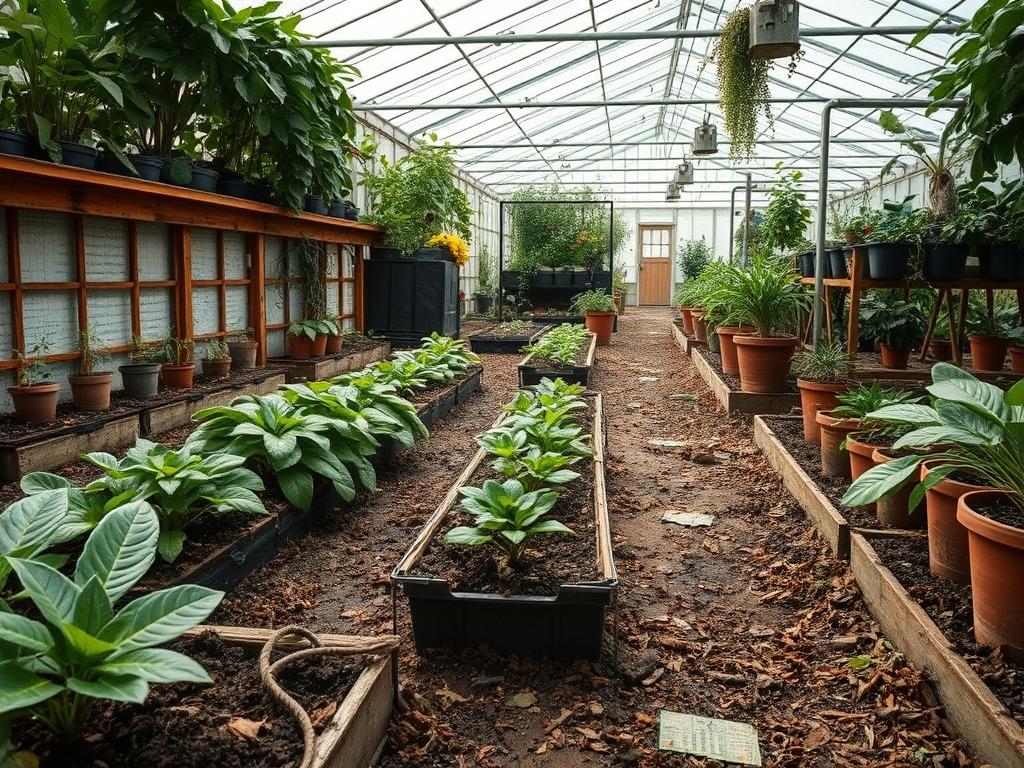
Integrating a productive edible garden into a high end residential landscape requires more than just aesthetic consideration; it demands a deep understanding of soil pathology and environmental management. When a curated outdoor space includes tomatoes, the threat of soil borne pathogens can jeopardize the entire visual and functional harmony of the site. Fusarium wilt, caused by the fungus Fusarium oxysporum, is one of the most persistent challenges for the modern landscape consultant. This pathogen enters through the root system and colonizes the vascular tissue, effectively throttling the plant and causing a characteristic yellowing and drooping that ruins curb appeal. A successful landscape design must account for the longevity of the soil. Once this fungus is introduced, it can remain dormant for a decade or more. Therefore, the best methods for Fusarium Wilt Treatment do not rely on a single chemical application. Instead, they involve a comprehensive site strategy that includes soil solarization, structural drainage improvements, and the strategic selection of resistant cultivars to ensure the outdoor environment remains vibrant and productive.
Landscape architects must view the vegetable garden through the same lens as a formal parterre or a woodland walk. In regions with high humidity and heavy clay soils, the risk of fungal spread is amplified. By focusing on site preparation and the physical physics of the garden bed, we can create an environment where pathogens struggle to take hold. This involves more than just planting; it requires an architectural approach to the ground plane, ensuring that water moves away from the root crowns and that air circulation is prioritized through precise spacing. When we design for disease resistance, we are essentially designing for the permanence of the landscape.
Landscape Design Principles
Sustainable garden design begins with the concept of symmetry and visual balance, but it must be grounded in biological reality. To mitigate the need for intensive Fusarium Wilt Treatment, the focal points of the garden should be spaced to allow for maximum UV penetration. Sunlight is a natural disinfectant. By orienting garden rows or raised beds along a north to south axis, we ensure that each plant receives even exposure, reducing the damp, shaded microclimates where fungi thrive. Elevation layers play a critical role here as well. Using retaining walls or raised stone planters provides a physical barrier between contaminated native soil and the sterile growing medium used for prized tomato varieties.
Irrigation planning is another pillar of professional landscape design that impacts plant health. Overhead watering is a significant mistake in professional site management because it splashes soil borne spores onto the foliage. A high quality landscape should utilize a concealed drip irrigation system buried beneath a layer of organic mulch. This delivery method ensures that moisture reaches the root zone without creating the humid conditions that Fusarium prefers. Furthermore, walkways should be constructed from non porous materials like flagstone or decomposed granite to prevent the tracking of contaminated soil from one zone of the landscape to another. By treating the garden layout as a series of controlled “rooms,” a landscape architect can contain potential outbreaks and maintain the overall elegance of the property.
Plant and Material Selection
Selecting the right materials and biological components is the most effective way to prevent the need for reactive treatments. Resistant varieties are categorized by their ability to withstand specific races of the fungus, usually labeled as F1, F2, or F3.
| Plant Type | Sun Exposure | Soil Needs | Water Demand | Growth Speed | Maintenance Level |
| :— | :— | :— | :— | :— | :— |
| Iron Lady Tomato | Full Sun | Well Drained | Moderate | Fast | Low |
| Mountain Merit | Full Sun | Loamy/Rich | Moderate | Fast | Medium |
| Stellar F1 | Full Sun | Sandy Loam | Moderate | Medium | Medium |
| French Marigold | Full Sun | Minimal | Low | Medium | Low |
| Sweet Basil | Partial Sun | High Organic | Low | Fast | Medium |
In addition to resistant plants, the materials used for ground cover and soil amendment are vital. We recommend using pine bark fines or hardwood mulch at a depth of 3 inches to suppress weed growth and provide a thermal buffer. For the soil itself, a blend of sphagnum peat moss, perlite, and composted leaf mold creates a structural environment that discourages the anaerobic conditions favored by Fusarium.
Implementation Strategy
The implementation of an edible landscape begins with grading. The site must be surveyed to ensure a 2 percent slope away from any structural foundations and garden beds. If the native soil is found to be infested with pathogens, soil solarization is the gold standard for Fusarium Wilt Treatment. This process involves tilling the area, saturating it with water, and covering it with a 1.5 mil clear plastic tarp for 6 to 8 weeks during the peak of summer. The trapped heat can raise soil temperatures to over 140 degrees Fahrenheit, effectively pasteurizing the top 6 inches of the earth.
Once the soil is prepared, the layout of the hardscaping follows. Edging should be installed using powder coated steel or pressure treated timber to define the boundaries between turf and garden. This prevents the “creep” of pathogens from the lawn into the planting beds. When planting the tomatoes, a professional installer will use a hand trowel to create a hole twice the width of the root ball, incorporating a balanced 10-10-10 fertilizer and a handful of dolomitic lime to stabilize the pH. Proper spacing is essential; tomatoes should be placed at least 36 inches apart to ensure that if one plant becomes symptomatic, the fungus cannot easily migrate through root contact to its neighbor.
Common Landscaping Failures
The most frequent failure in garden planning is the neglect of drainage. When water pools around the base of a plant, the roots become stressed and more susceptible to infection. Landscape architects often see “wet feet” as the primary precursor to a total crop loss. Soil compaction is another silent killer. Heavy foot traffic near planting zones compresses the soil pores, robbing the roots of oxygen and creating an environment where Fusarium oxysporum thrives.
Improper mulch management can also lead to disaster. If mulch is piled too high against the stem of the plant, often called “volcano mulching,” it creates a bridge for pathogens and pests to bypass the plant’s natural defenses. Furthermore, failing to sanitize tools is a major oversight. A 10 percent bleach solution should be used to clean pruning shears and shovels between every use. Without this protocols, even the most expensive landscape design will eventually succumb to disease cross contamination.
Seasonal Maintenance
Maintenance is a year round commitment that evolves with the seasons. In the spring, the focus is on soil testing and the application of beneficial microbes like Trichoderma harzianum, which acts as a biological shield against wilts. As summer arrives, monitoring the drip irrigation timers is crucial. You want to ensure the soil remains consistently moist but never waterlogged. This is also the time for aggressive pruning of the lower “sucker” branches to keep foliage at least 12 inches off the ground.
Autumn is the season for sanitation. All spent tomato vines must be removed from the site entirely; do not compost them, as most residential compost piles do not reach the temperatures required to kill fungal spores. In the winter, the landscape architect should oversee the application of a cover crop like winter rye or crimson clover. These crops help maintain soil structure and can even help suppress soil pathogens during the dormant months.
Professional Landscaping FAQ
How can I tell if my tomatoes have Fusarium wilt?
Look for “one sided” wilting where a single leaf or branch turns yellow while the rest stays green. If you slice the main stem, you will see a dark brown discoloration in the internal vascular tissue.
Is there a chemical spray for Fusarium Wilt Treatment?
There are no effective curative chemical sprays once the plant is infected. Treatment focuses on soil prevention, including the use of biofungicides and soil solarization to reduce the fungal load before the next planting season begins.
Does crop rotation really help in a small landscape?
Yes, though Fusarium persists for years, rotating tomatoes with non host plants like beans or corn prevents the pathogen population from exploding. A 3 year rotation cycle is the professional standard for maintaining soil health.
Can I save seeds from a plant affected by Fusarium?
It is not recommended. While Fusarium is primarily soil borne, it can occasionally contaminate the exterior of seeds or be carried in plant debris. Always start with certified disease free seeds or starts from a reputable nursery.
What is the best mulch to prevent fungal splash?
A heavy, coarse mulch such as nugget bark or wheat straw works best. These materials break the fall of raindrops and prevent the “bounce back” effect that carries soil spores onto the lower leaves of your plants.