
The integrity of a professional landscape depends entirely on the hidden health of the subterranean environment. When a client invests in high end outdoor living spaces, they expect a legacy of architectural beauty and lush greenery, yet few threats undermine this vision as effectively as soil borne pathogens. Phytophthora root rot remains the primary antagonist for many ornamental gardens, particularly in regions with heavy rainfall or clay heavy soil compositions. Often referred to as the water mold, this oomycete thrives in saturated conditions, moving through soil water to infect the root systems of everything from delicate shrubs to majestic canopy trees. Addressing this issue requires a shift in perspective. We must move away from simple reactive treatments and toward comprehensive landscape engineering. Successfully implementing Phytophthora Root Rot Cures involves a blend of site grading, specialized plant selection, and aggressive moisture management.
The visual impact of a failing garden is devastating to curb appeal. What begins as a subtle chlorosis of the leaves fast descends into branch dieback and total plant collapse. As a landscape architect, my goal is to create functional environments where water is handled with precision. High traffic walkways and social patios should never be adjacent to “dead zones” where water pools and pathogens flourish. By rethinking the elevation of planting beds and the composition of the growing medium, we can create a resilient system. This approach ensures that the investment in hardscaping and horticulture remains protected for decades.
Landscape Design Principles
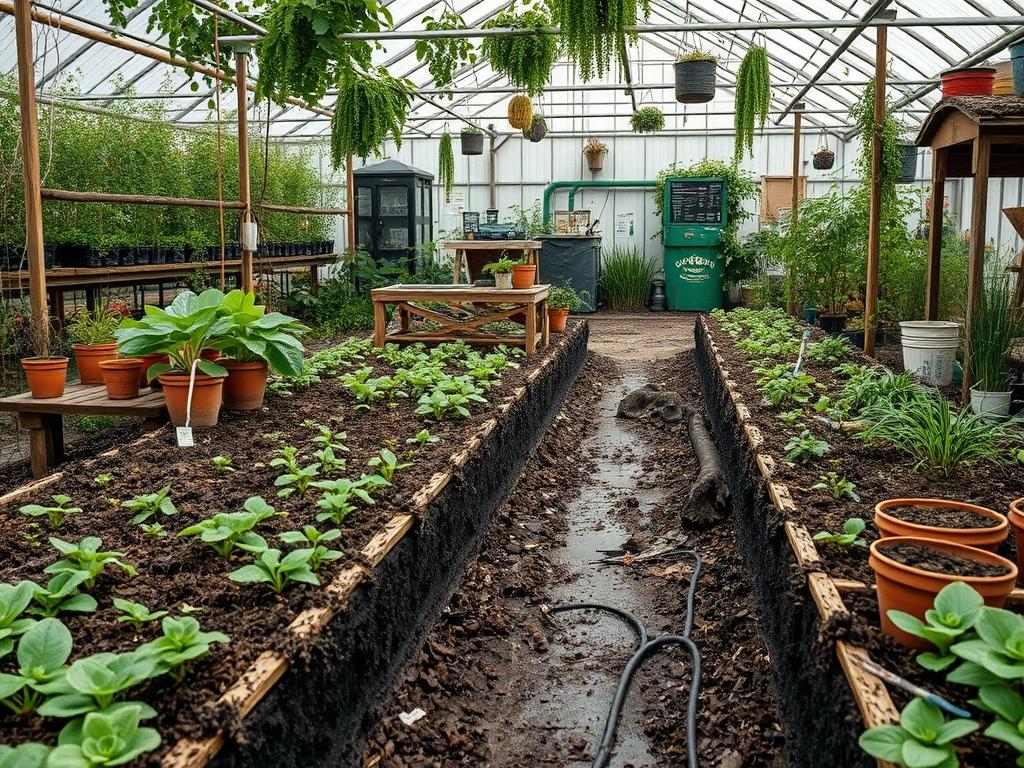
Effective design starts with an honest assessment of the site’s topography. Symmetry and visual balance are useless if the underlying hydrology is neglected. To combat root rot, we utilize elevation layers to direct water away from the root flares of susceptible species. By installing Elevated Berms and Raised Planters, we can create a physical separation between the root zone and the saturated base soil. These structures should be planned with subtle focal points, such as an ornamental Stone Monolith or a specimen tree that is naturally resistant to moisture stress.
Irrigation planning is another critical pillar of design. Traditional spray heads often over-saturate the top layer of mulch while leaving the deeper root ball dry, or worse, they create “hot spots” of moisture where Phytophthora can incubate. We prefer high efficiency drip irrigation systems that deliver water directly to the base of the plant, timed precisely to allow for a complete drying cycle between applications. Furthermore, the integration of French Drains and Bioswales into the landscape aesthetic allows for the capture and redirection of runoff. These elements of functional infrastructure can be disguised with River Rocks or Pea Gravel, transforming a drainage necessity into a stylish garden feature.
Plant and Material Selection
Choosing the right materials and flora is the most effective way to prevent the recurrence of disease. The following table outlines selections that are either resistant to the pathogen or thrive in well drained environments designed to thwart it.
| Plant Type | Sun Exposure | Soil Needs | Water Demand | Growth Speed | Maintenance Level |
| :— | :— | :— | :— | :— | :— |
| Camellia Sasanqua | Partial Shade | Acidic, Well Drained | Moderate | Medium | Moderate |
| Boxwood (Buxus) | Full Sun to Shade | Neutral, Loose | Low to Moderate | Slow | High (Pruning) |
| Native Sword Fern | Shade | Organic, Rich | Moderate | Fast | Low |
| Japanese Maple | Filtered Sun | Loamy, Well Drained | Moderate | Medium | High (Aesthetic) |
| Crepe Myrtle | Full Sun | Adaptable | Low | Fast | Low |
| Viburnum | Full/Partial Sun | Loamy | Moderate | Fast | Low |
For hardscaping, we prioritize permeable materials. Permeable Pavers and Decomposed Granite allow the soil to breathe, which is essential for aerobic activity that suppresses harmful fungi. When selecting mulch, avoid fine, shredded woods that mat down and prevent evaporation. Instead, use a Coarse Bark Nugget at a depth of 3 inches to ensure air circulation at the soil surface.
Implementation Strategy
The implementation of Phytophthora Root Rot Cures begins with radical soil remediation. Before a single plant is placed, the site must be graded using an Inclinometer to ensure a minimum 2 percent slope away from all structures and planting pockets. If the soil is heavy clay, we incorporate Expanded Shale or Coarse Sand to a depth of 12 inches to increase pore space. This physical alteration is permanent and provides the drainage necessary to keep the oomycete from swimming to new hosts.
Next, we establish the hardscape boundaries. Steel Edging or Masonry Retaining Walls are used to define the elevation changes. During the planting phase, it is vital to “plant high.” The top of the root ball should be positioned roughly 1 inch above the surrounding grade. This ensures that even during heavy storms, the crown of the plant remains dry. After planting, we apply a soil drench containing Phosphite or Mefenoxam as a preventative measure. This chemical application serves as an internal vaccine, boosting the plant’s systemic resistance to the pathogen during the critical establishment period.
Common Landscaping Failures
The most frequent error in residential landscapes is “dish planting.” This occurs when a hole is dug in heavy clay soil and filled with rich potting mix. This creates a literal bucket that traps water, drowning the roots and creating a perfect nursery for Phytophthora. Another failure involves improper mulch management. Piling mulch against the trunk of a tree, often called “volcano mulching,” traps moisture against the bark. This softens the tissue and allows pathogens to enter the vascular system directly.
We also see significant issues with root overcrowding. When plants are spaced too closely for immediate “full” aesthetic impact, airflow is restricted. This lack of circulation keeps the humidity high at the soil level, which is a primary driver of disease. Finally, irrigation inefficiencies, specifically watering during the evening, keep the foliage and root crowns wet overnight. Professional landscape managers always schedule irrigation for the early morning hours, allowing the sun to evaporate excess surface moisture.
Seasonal Maintenance
Seasonal vigilance is the only way to maintain a disease free environment. In the Spring, we inspect all irrigation lines for leaks and clean the emitters. This is also the time to apply a fresh layer of Course Mulch, making sure to pull it away from the base of the plants. During the Summer, we monitor for signs of drought stress, which can mimic root rot. It is important to confirm soil moisture with a Soil Probe before adding more water.
In the Autumn, the focus shifts to sanitation. We remove all fallen leaves and debris that could harbor spores over the winter. If any plants have succumbed to disease, they are removed entirely, including the root ball and the surrounding soil. The tools used for removal are sterilized with Isopropyl Alcohol to prevent cross contamination. In Winter, we focus on structural drainage. This is the optimal time to clear out French Drains and ensure that downspouts are directing water at least 10 feet away from the primary garden beds.
Professional Landscaping FAQ
What are the first signs of Phytophthora in a landscape?
Look for sudden wilting, even when the soil is moist. Leaves may turn yellow or dull green, and the bark at the base of the plant might appear dark, water soaked, or “bleeding” a reddish brown sap.
Can I replant in a spot where a plant died of root rot?
Do not replant the same species immediately. You must first improve the drainage with Perforated Pipes or Gravel. Use a resistant species or replace the top 12 inches of soil before introducing new nursery stock into the area.
How does mulch depth affect root health?
While mulch retains necessary moisture, exceeding 3 inches can suffocate roots. It prevents gas exchange and keeps the soil excessively wet, providing the anaerobic conditions that Phytophthora loves. Always keep mulch clear of the plant stems.
Is there a chemical cure for Phytophthora?
There are systemic fungicides like Potassium Phosphite that help plants resist the fungus. However, these are management tools rather than permanent cures. The only long term solution is an engineered landscape with superior drainage and airflow.
Why is drainage more important than soil quality?
Even the most nutrient rich soil will become a breeding ground for disease if it holds stagnant water. Many plants can tolerate poor nutrients, but very few can survive the lack of oxygen caused by perpetual saturation and water mold.