
Building a functional and aesthetically pleasing outdoor environment requires more than simply placing structures on a plot of land. When integrating a utility shed into a professional landscape design, the architect must balance structural utility with biological reality. One of the most persistent challenges in backyard management involves the intersection of wildlife and storage. Rodents, specifically mice, view a backyard shed as a sanctuary from the elements and predators. This creates a significant landscaping challenge because an overgrown or poorly planned perimeter can invite infestations that damage expensive equipment and structural integrity. By considering the climate, the site’s natural drainage patterns, and the strategic use of natural repellents, homeowners can maintain high curb appeal while discouraging pests. Integrating Peppermint Oil for Mice into a regular maintenance routine is a highly effective, non toxic strategy that fits perfectly within an organic or sustainably managed landscape. The goal is to create a clean, dry, and scent neutral zone that prioritizes both outdoor functionality and long term preservation.
Landscape Design Principles
A professional landscape layout relies on core principles like symmetry, focal points, and elevation layers to create a sense of order. When placing a shed, the structure should serve as a secondary focal point that complements the primary residence rather than competing with it. We achieve visual balance by mirroring plant clusters on either side of the shed entrance, which grounds the building within the garden. Proper elevation is perhaps the most critical technical principle. The shed must be situated on a slightly raised pad, often constructed from 4-inch thick Crushed Stone or a Concrete Slab. This prevents water from pooling around the base, which reduces the moisture that attracts insects and the mice that feed on them.
Walkway planning is equally vital for both accessibility and pest management. A clear, hardscaped path made of Flagstone or Pavers should lead directly to the shed. This creates a psychological and physical boundary. By keeping the immediate perimeter of the shed free of heavy vegetation, you eliminate the cover that mice require to feel safe. Scent based deterrents, such as applying Peppermint Oil for Mice along the high traffic thresholds and interior corners, reinforce this boundary. This design approach ensures that the “envelope” of the structure remains secure and easily inspectable. Furthermore, irrigation planning must ensure that Sprinkler Heads are directed away from the shed walls to avoid wood rot and the subsequent entry points that localized decay provides.
Plant and Material Selection
Selecting the right materials and flora around a shed determines the long term maintenance burden and the likelihood of rodent activity. The following table outlines professional recommendations for vegetation that supports a clean, rodent resistant landscape.
| Plant Type | Sun Exposure | Soil Needs | Water Demand | Growth Speed | Maintenance Level |
| :— | :— | :— | :— | :— | :— |
| Peppermint (Mentha x piperita) | Full Sun / Partial Shade | Moist, Well-Drained | Moderate | Fast | Moderate (Invasive) |
| Lavender (Lavandula) | Full Sun | Sandy, Gritty | Low | Moderate | Low |
| Boxwood (Buxus) | Full to Part Sun | Loamy, Neutral pH | Moderate | Slow | High (Pruning) |
| River Rock (1-3 inch) | N/A | Subgrade Prep | None | N/A | Low |
| Creeping Thyme | Full Sun | Poor, Rocky | Low | Moderate | Very Low |
| Dwarf Spruce | Full Sun | Acidic, Moist | Low | Very Slow | Low |
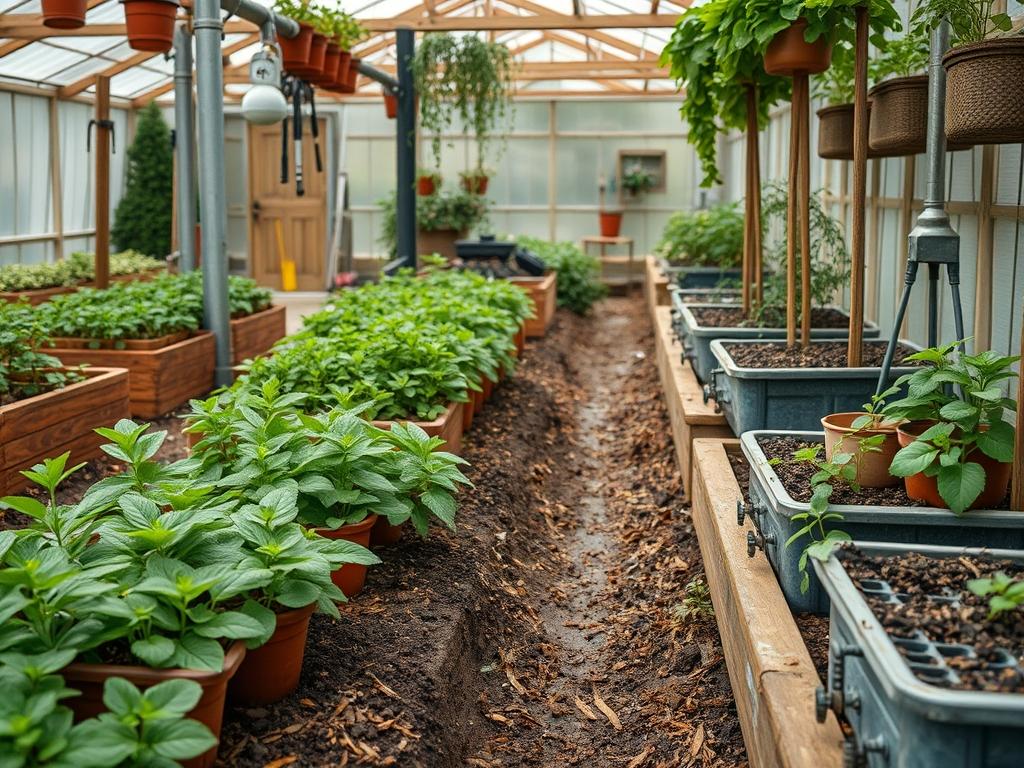
Using Peppermint in the landscape provides a dual benefit. While the living plant is less concentrated than the essential oil, it contributes to an overall aromatic environment that rodents find unpleasant. However, because mint species are invasive, landscape architects often recommend planting them in Galvanized Steel Planters or sunken pots to control root spread. Surrounding these planters with River Rock or Pea Gravel instead of organic Wood Mulch further discourages mice from burrowing near the shed foundation.
Implementation Strategy
The implementation process begins with precise site grading. We start by removing the top layer of sod and excavating the footprint to a depth of roughly 6 inches. This area is then backfilled with a Non-Woven Landscape Fabric to prevent weed growth and soil migration. A layer of Compacted Gravel is spread on top, ensuring a perfectly level surface for the shed’s floor joists. Drainage is the next priority. If the shed is located at the bottom of a slope, a French Drain must be installed to divert runoff away from the structure.
Once the hardscaping is settled, we define the edging. Using Heavy-Duty Aluminum Edging or Treated Timbers creates a crisp line between the garden beds and the shed perimeter. Within this border, we suggest a 3-foot “no-fly zone” where no large shrubs or tall grasses are planted. This gap allows for easy application of Peppermint Oil for Mice around the exterior baseboards. For the transition to the rest of the garden, we use a tiered planting approach. Low-growing groundcovers like Creeping Thyme are placed nearest the shed, followed by mid-sized perennials, and finally taller privacy screens like Arborvitae at a distance of at least 10 feet. This staggering ensures that the shed remains visible and ventilated, preventing the damp, dark environments that mice prefer.
Common Landscaping Failures
The most frequent error in residential landscaping is the over-application of organic Wood Mulch directly against structural foundations. While mulch retains moisture for plants, it also provides a soft, warm medium for rodents to tunnel through. Another failure is root overcrowding. Planting large species too close to a shed leads to root systems undermining the leveled base, causing the structure to tilt or the doors to misalign. These small gaps are all a mouse needs to gain entry.
Irrigation inefficiencies also contribute to structural damage. If a Drip Line is leaking near the back of a shed, the soil will eventually compact and subside. This creates a “cave” under the shed floor, which is a prime nesting site for mammals. Finally, many gardeners fail to prune overhanging tree branches. These branches act as natural bridges, allowing mice and squirrels to jump onto the roof. Once on the roof, they can easily chew through wooden soffits or enter through ridge vents. Maintaining a clear vertical space of at least 8 feet between the roof and any foliage is a professional standard for pest prevention.
Seasonal Maintenance
Landscape management is a year round commitment that changes with the light and temperature. In the Spring, the focus is on inspection and clearing. Remove any leaf litter that accumulated against the shed over winter. Re-level any Pavers that shifted during the freeze-thaw cycle. This is also the time to apply a fresh barrier of Peppermint Oil for Mice as local populations become active and seek new nesting sites for the breeding season.
During the Summer, the priority shifts to irrigation and growth control. Prune back any fast-growing shrubs to maintain the 3-foot clearance zone. Ensure that your Automatic Irrigation System is not over-saturating the soil near the shed. In Autumn, the goal is “hardening” the site. Mice are most likely to seek entry as temperatures drop. Clean out gutters, seal any small cracks with Steel Wool or Caulk, and refresh the peppermint oil application more frequently if rainfall increases. Winter maintenance is largely about snow management. Avoid piling shoveled snow against the shed walls, as the melting process can lead to interior dampness. Check the interior monthly for any signs of activity, ensuring your stored items remain clean and the structure stays rodent free throughout the coldest months.
Professional Landscaping FAQ
How does peppermint oil affect mice in the garden?
Peppermint oil contains high concentrations of menthol, which irritates the sensitive nasal passages of rodents. When applied around a shed, it creates a scent barrier that mice find overwhelming, prompting them to seek habitat elsewhere.
What is the best foundation for a shed to prevent mice?
A elevated Concrete Slab or a Crushed Stone pad is superior to wood blocks. These materials eliminate the dark, hollow spaces beneath the floor where mice typically build nests and hide from predators.
Why should I avoid wood mulch near my storage shed?
Organic mulch retains moisture and offers an easy medium for burrowing. Switching to River Rock or Crushed Brick around the shed perimeter eliminates the nesting material that mice use to stay warm and hidden.
Can certain plants actually attract mice to my shed?
Yes, plants that produce heavy seeds, grains, or dense ground cover can attract rodents. Dense Ivy or Tall Fescue provides excellent camouflage, while bird feeders near the shed provide a constant food source that encourages infestation.
How often should I apply peppermint oil for mouse prevention?
For maximum efficacy, apply the oil every two weeks or after heavy rain. Focus on entry points like door thresholds, vents, and any gaps in the siding to maintain a consistent olfactory deterrent throughout the year.