
Integrating apple trees into a residential landscape offers more than just the promise of a crisp autumn harvest. These trees serve as architectural anchors, providing structural depth through their gnarled branch patterns and soft, ephemeral blossoms in the spring. However, the presence of the apple maggot, the larva of the fruit fly Rhagoletis pomonella, frequently undermines the functional and aesthetic value of these specimens. Effective Apple Maggot Prevention is not merely a task for the orchardist; it is a critical component of site-wide landscape management. When a tree is riddled with infested fruit, the rotting drops create a messy ground plane, attract unwanted stinging insects, and diminish the overall curb appeal of the property. Therefore, an integrated approach that combines physical barriers, such as fruit bagging, with strategic landscape design is essential for maintaining a high-performance outdoor environment.
The climate of the local microclimate plays a significant role in pest pressure. Areas with high humidity and stagnant air often see higher infestation rates, as the adult flies thrive in sheltered, moist environments. To mitigate this, landscape architects must consider the relationship between the tree and its surroundings. A well-placed apple tree should benefit from maximum solar exposure and cross-ventilation. When trees are tucked into corners or hemmed in by high retaining walls, the lack of airflow can exacerbate pest issues. By treating the apple tree as a focal point with sufficient clearance, you not only improve the visual balance of the garden but also create a less hospitable environment for the flies that seek to lay their eggs beneath the skin of the developing fruit.
Landscape Design Principles
Successful landscape design relies on the harmony between aesthetics and utility. When planning for apple trees, symmetry and focal points are paramount. A pair of espaliered apples can frame an entryway or line a formal walkway, creating a sense of rhythm and direction. In these high-visibility areas, Apple Maggot Prevention becomes even more vital because the visual impact of damaged fruit is immediate. The use of physical barriers like bags can be integrated into the design by choosing materials that blend with the foliage or by treating the bags as a temporary texture in the landscape.
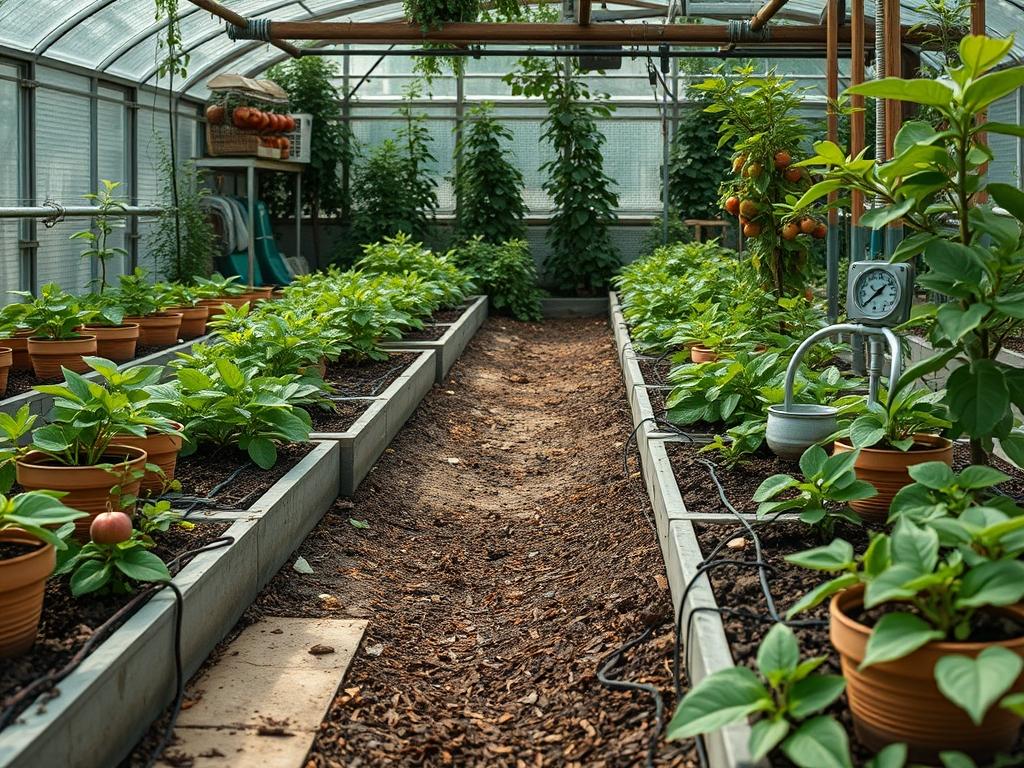
Elevation layers constitute another pillar of professional design. By planting apple trees on slight mounds or utilizing raised beds, we improve drainage and make the physical task of bagging the fruit easier for the homeowner. This elevation ensures that the root zone remains oxygenated, which strengthens the tree’s natural immune system. Furthermore, irrigation planning must be precise. Overhead watering should be avoided, as wet foliage can attract various pathogens and pests. Instead, utilize drip irrigation systems hidden beneath a layer of hardwood mulch to deliver moisture directly to the soil without increasing the humidity within the tree canopy.
The integration of walkways is a practical necessity for pest management. If a tree is inaccessible, it will likely be neglected. Designing a clear path of flagstone or decomposed granite surrounding the drip line of the tree allows for regular inspections and easy access for the bagging process. This spatial arrangement also ensures that fallen debris can be quickly identified and removed, preventing larvae from exiting the fruit and burrowing into the soil to pupate for the following season.
Plant and Material Selection
| Plant/Material Type | Sun Exposure | Soil Needs | Water Demand | Growth Speed | Maintenance Level |
| :— | :— | :— | :— | :— | :— |
| Liberty Apple | Full Sun | Well-drained Loam | Medium | Moderate | Low (Disease Resistant) |
| Honeycrisp Apple | Full Sun | Rich Organic | High | Moderate | High (Pest Susceptible) |
| Organza Bags | N/A | N/A | N/A | N/A | Annual Installation |
| Nylon Footies | N/A | N/A | N/A | N/A | High Precision |
| Kaolin Clay | N/A | N/A | N/A | N/A | Re-apply after rain |
| Hardwood Mulch | N/A | N/A | N/A | N/A | Bi-annual Refresh |
Implementation Strategy
The implementation of a prevention-focused orchard layout begins with site preparation. Proper grading is the first step; the land should slope away from the trunk at a 2 percent grade to prevent water pooling. Once the land is shaped, install steel edging or Belgian block to define the mulch ring. This ring should extend to at least the drip line of the tree to prevent competition from turfgrass and to provide a clean area for monitoring pest activity.
The bagging process itself should be timed carefully. When the young fruit reaches about 1/2 inch to 3/4 inch in diameter, it is time to apply the barriers. Use nylon footies or organza bags to encapsulate each individual apple. Secure the bag tightly around the stem but leave enough room for the fruit to expand. This physical barrier prevents the female fly from piercing the skin to deposit her eggs. While this process is labor intensive, it is the most environmentally friendly way to ensure a harvest free of toxins and larvae. For larger landscapes with dozens of trees, a combination of bagging and Kaolin clay sprays can be utilized to provide a comprehensive shield.
Mulch depth is also a strategic factor in the implementation. A 3-inch layer of coarse mulch serves as a barrier for any larvae that might fall. It makes it difficult for them to reach the mineral soil, and it supports predatory insects that feed on the pupae. Drainage should be verified through a percolation test before planting, ensuring that the tree is not under stress, as stressed trees emit chemical signals that actually attract pests like the apple maggot fly.
Common Landscaping Failures
One of the most frequent mistakes in residential landscapes is the overcrowding of roots and canopies. When apple trees are planted too close to privacy hedges or large evergreens, they suffer from reduced light and air circulation. This creates a stagnant microclimate where the apple maggot fly can easily navigate from branch to branch without the interference of wind or predators. Furthermore, root overcrowding can lead to nutrient deficiencies, weakening the tree’s bark and fruit skin, making it easier for pests to penetrate.
Improper drainage is another silent killer of orchard health. If a tree is planted in a low spot where water collects, the resulting root rot will manifest as poor fruit set and increased vulnerability to infestations. Soil compaction, often caused by heavy foot traffic or construction equipment, prevents the tree from accessing the deep water reserves it needs during the summer heat. In compacted soil, the apple maggot pupae are also better protected from the elements, as the lack of pore space prevents natural aeration and temperature fluctuations that might otherwise kill them.
Finally, irrigation inefficiencies, such as the use of traditional turf sprinklers near the orchard, can be catastrophic. Frequent, shallow watering keeps the surface of the soil and the bottom of the fruit damp, which is the ideal habitat for the maggot fly. A professional landscape should always separate the orchard’s irrigation zone from the lawn’s zone to ensure each receives the appropriate volume at the correct time.
Seasonal Maintenance
Spring management begins with a thorough cleanup of the orchard floor. Remove any remaining mummified fruit and apply a fresh layer of compost followed by mulch. As the blossoms fall and the fruit begins to set, monitor the trees for the first sign of adult flies. Placing red sphere traps coated with a sticky substance can help determine when the flies have emerged and are searching for a place to lay eggs.
During the summer, the focus shifts to the maintenance of the bags and the thinning of the fruit. If too many apples are left on a single cluster, the bags may become crowded and lose their effectiveness. Ensure that each bagged fruit has ample space to grow without touching neighboring branches. This is also the time to check the irrigation system for leaks and to ensure that the trees are receiving deep watering during drought periods.
Autumn is the season of harvest and sanitation. As you remove the bags to pick the fruit, inspect each apple for any signs of entry holes. Any fruit that falls prematurely should be collected and destroyed immediately; do not compost it, as the heat may not be sufficient to kill the larvae. Finally, in winter, focus on structural pruning. A “thin-and-open” pruning style allows light to penetrate the center of the tree, which not only improves fruit quality but also makes the next season’s bagging process much more manageable.
Professional Landscaping FAQ
What is the best material for fruit bagging?
Organza bags with drawstring closures are highly recommended. They are breathable, allow sunlight to reach the fruit for coloring, and are easy to install. Nylon footies are also effective but require more precision during the initial application phase.
How does mulch help in apple maggot prevention?
A thick layer of hardwood mulch disrupts the lifecycle of the maggot. Once larvae drop from the fruit, they must reach the soil to pupate. Mulch creates a physical barrier and harbors beneficial beetles that prey on the larvae.
Can I use traps instead of bagging for prevention?
Traps are primarily a monitoring tool. While red sticky spheres can catch many adult flies, they rarely provide 100 percent protection in high-pressure areas. Bagging is the only surefire way to prevent egg-laying without using chemical pesticides.
When exactly should I start bagging my apples?
Start bagging when the apples are roughly the size of a cherry, usually between 1/2 inch and 3/4 inch in diameter. This typically occurs in late May or early June, depending on your specific hardiness zone and tree variety.
Does tree pruning affect pest infestations?
Yes, an open canopy increases airflow and light penetration. This reduces the humidity levels that the apple maggot fly prefers. Proper pruning also makes it significantly easier to see and reach the fruit for consistent bagging and inspection.