
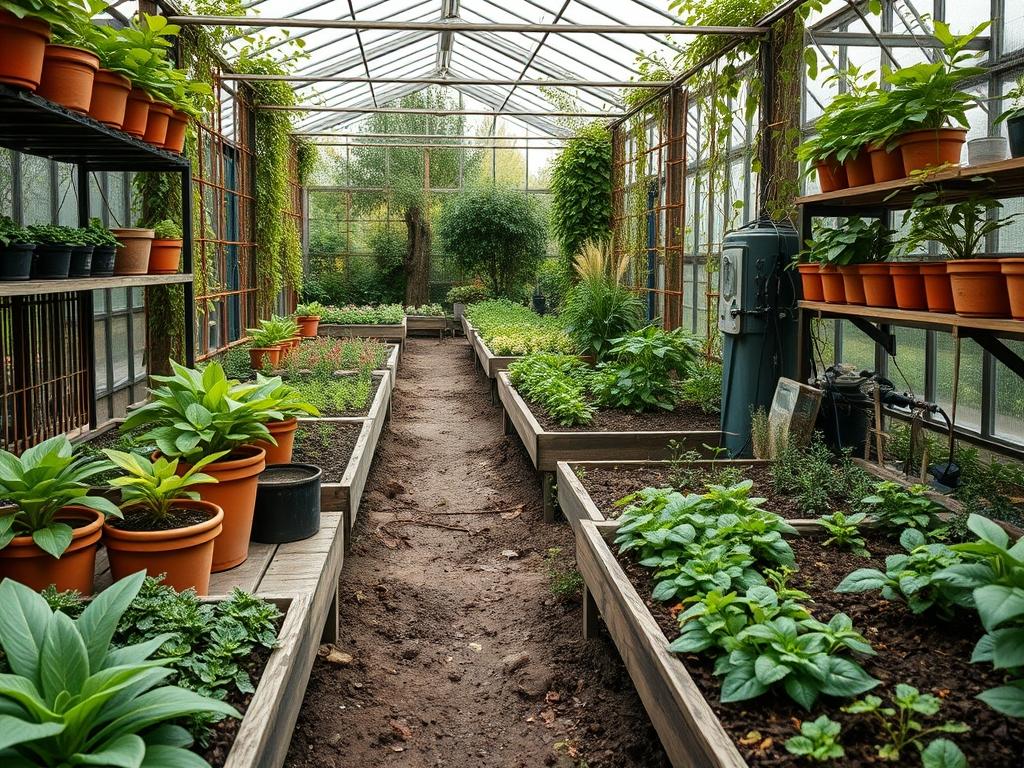
Achieving a pristine landscape requires more than just aesthetic intuition; it demands a rigorous understanding of the biological systems at play within a residential estate. For many homeowners, the ultimate goal is a synthesis of high curb appeal and functional outdoor living space that serves as an extension of the home. However, preserving the integrity of a professional design often hinges on the ability to manage environmental stressors and pest pressures without compromising the health of the local ecosystem. Organic management strategies have become the industry standard for maintaining luxury landscapes, as they protect the soil microbiome and ensure the safety of pets and residents. One of the most effective tools in the modern landscape consultant’s kit is an understanding of Spinosad Treatment Basics. This biological insecticide, derived from a naturally occurring soil bacterium, allows for targeted intervention against destructive pests while maintaining the organic certification of the property.
Successful landscape architecture begins with an analysis of the site’s microclimate and topography. We look at the way light hits a property at different times of the year and how wind tunnels might affect delicate species. A well planned garden should provide a visual narrative, guiding the eye from the street to the front door through a series of intentional layers and textures. This structural integrity is the first line of defense against a chaotic or unmanaged appearance. When we integrate organic treatments like Spinosad into our long term maintenance plans, we are essentially protecting the heavy investment made in specimen plants and hardscaping. By addressing pests such as thrips, leafminers, and spider mites early in the season, we ensure that the foliage remains lush and the visual impact of the design remains unmarred.
Landscape Design Principles
The foundation of a sophisticated outdoor environment rests on the principles of symmetry, focal points, and elevation layers. Symmetry provides a sense of formality and order, often achieved through mirror imaging plantings along a central walkway or entrance. Focal points, such as a large multi trunk olive tree or a custom stone water feature, serve to anchor the space and provide a destination for the eye. We also utilize elevation layers to create depth; this involves placing architectural plants in the background, mid sized shrubs in the center, and low growing groundcovers at the edge of retaining walls.
Irrigation planning is perhaps the most critical technical aspect of the design phase. We segment properties into hydrozones where plants with similar water requirements are grouped together. This prevents the overwatering of drought tolerant species and ensures that moisture loving plants receive adequate hydration. Visual balance is further maintained by contrasting leaf textures and colors. For instance, the broad, leathery leaves of a Ficus lyrata provide a stark, pleasing contrast against the fine, airy needles of a Taxus baccata. Within this balanced framework, the health of the foliage is paramount. This is why mastering Spinosad Treatment Basics is essential for any homeowner or professional maintaining a high end organic garden. It provides a means to stop the defoliation of prized ornamental species without the harsh chemical residues that can discolor leaves or harm beneficial pollinators.
Plant and Material Selection
Selecting the right materials and species is a balance of art and science. Below is a professional guide for common selections in a structured organic landscape.
| Plant Type | Sun Exposure | Soil Needs | Water Demand | Growth Speed | Maintenance Level |
| :— | :— | :— | :— | :— | :— |
| Boxwood Hedge | Full Sun to Part Shade | Well drained, Loamy | Moderate | Slow | High (Pruning) |
| Lavender (Grosso) | Full Sun | Sandy, Alkaline | Low | Medium | Low |
| Japanese Maple | Filtered Sunlight | Rich, Acidic | High | Slow | Medium |
| Native Ornamental Grass | Full Sun | Poor to Average | Very Low | Fast | Low |
| Hydrangea Mcrophylla | Part Shade | Organic, Moist | High | Medium | Medium |
| River Birch Tree | Full Sun to Part Shade | Wet, Acidic | High | Fast | Medium |
Implementation Strategy
The transition from a design blueprint to a finished landscape requires a precise sequence of events. First, we address the site’s grading. Proper grading ensures that water flows away from the home’s foundation and into designated drainage basins or french drains. Once the topography is set, we establish the hardscaping, including pavers, retaining walls, and pergolas. These elements provide the “bones” of the garden and must be installed before any delicate root systems are placed in the ground.
When planting, we prioritize the health of the root ball. Holes are dug twice as wide as the pot but no deeper, preventing the plant from settling too low and developing root rot. We use a high quality organic compost to amend the backfill soil, providing a slow release of nutrients. After the plants are in place, a 3 inch layer of cedar mulch or pine bark is applied to the soil surface. This mulch regulates soil temperature, suppresses weeds, and retains moisture. It is during this implementation phase that we also set up the drip irrigation system, placing emitters directly at the base of each plant for maximum efficiency. To protect these new installations, a preventive application for common pests may be necessary. Using Spinosad Treatment Basics involves identifying the specific larvae or adult insects that threaten the new growth and applying the solution in the late evening to avoid direct contact with bees.
Common Landscaping Failures
Many luxury landscapes suffer from avoidable technical errors. The most frequent issue we encounter is poor drainage. When water pools near the roots of ornamental shrubs, it creates an anaerobic environment that leads to fungal pathogens. Another common failure is root overcrowding. Homeowners often want an “instant” mature look and plant species too close together. Within three to five years, these plants compete for light and nutrients, leading to stunted growth and increased susceptibility to disease.
Soil compaction is another silent killer in the garden. Heavy foot traffic or the use of heavy machinery during construction can crush the air pockets in the soil, preventing roots from breathing. Furthermore, irrigation inefficiencies, such as spray heads hitting the foliage of roses rather than the roots, can invite black spot and powdery mildew. Finally, a lack of a cohesive pest management plan often leads to the decline of specimen plants. Without knowing Spinosad Treatment Basics, a gardener might resort to broad spectrum toxins that kill the very ladybugs and lacewings that provide natural pest control, creating an endless cycle of chemical dependency and pest outbreaks.
Seasonal Maintenance
Maintenance is a year round commitment to the health of the outdoor environment. In the Spring, we focus on clearing winter debris, applying pre emergent organic weed control, and performing the first deep fertilization. This is also the time to inspect the irrigation system for any leaks or clogged emitters. As the weather warms into Summer, the priority shifts to moisture management and pest monitoring. This is the peak window for utilizing Spinosad to control caterpillars or leaf beetles that thrive in the heat.
During the Autumn, we pivot to soil building. This involves top dressing with organic matter and planting spring blooming bulbs. It is also the best time for structural pruning of deciduous trees while they are entering dormancy. In the Winter, maintenance involves protecting sensitive species from frost using burlap wraps and ensuring that the garden remains tidy. We check for any structural damage to hardscapes caused by freeze thaw cycles and prepare the tools for the coming spring. By following this seasonal rhythm, the landscape remains resilient and vibrant throughout the year.
Professional Landscaping FAQ
How does Spinosad work within an organic garden?
Spinosad is a fermented byproduct that targets the nervous systems of specific insects like thrips and bagworms. It is highly effective when ingested by pests but has a low impact on many beneficial predatory insects when used according to professional guidelines.
What is the best way to improve soil drainage in heavy clay?
The most effective method is incorporating organic matter through core aeration and top dressing. For severe issues, installing a french drain or a dry creek bed provides a structural path for excess runoff to exit the property safely.
Can I apply Spinosad during the day?
It is professionally recommended to apply these treatments in the late evening or at night. This allows the product to dry before bees and other pollinators become active the next morning, significantly reducing any risk to non target beneficial species.
How deep should my mulch layer be for optimal health?
Maintain a depth of 2 to 3 inches for most garden beds. Avoid “mulch volcanoes” around the trunks of trees, as this can trap moisture against the bark and encourage rot or wood boring insect infestations.
What are the signs of soil compaction in a lawn?
Look for thinning grass, moss growth, or water pooling on the surface after a light rain. If a screwdriver cannot easily be pushed six inches into the ground, the soil likely requires mechanical aeration to restore oxygen flow.