
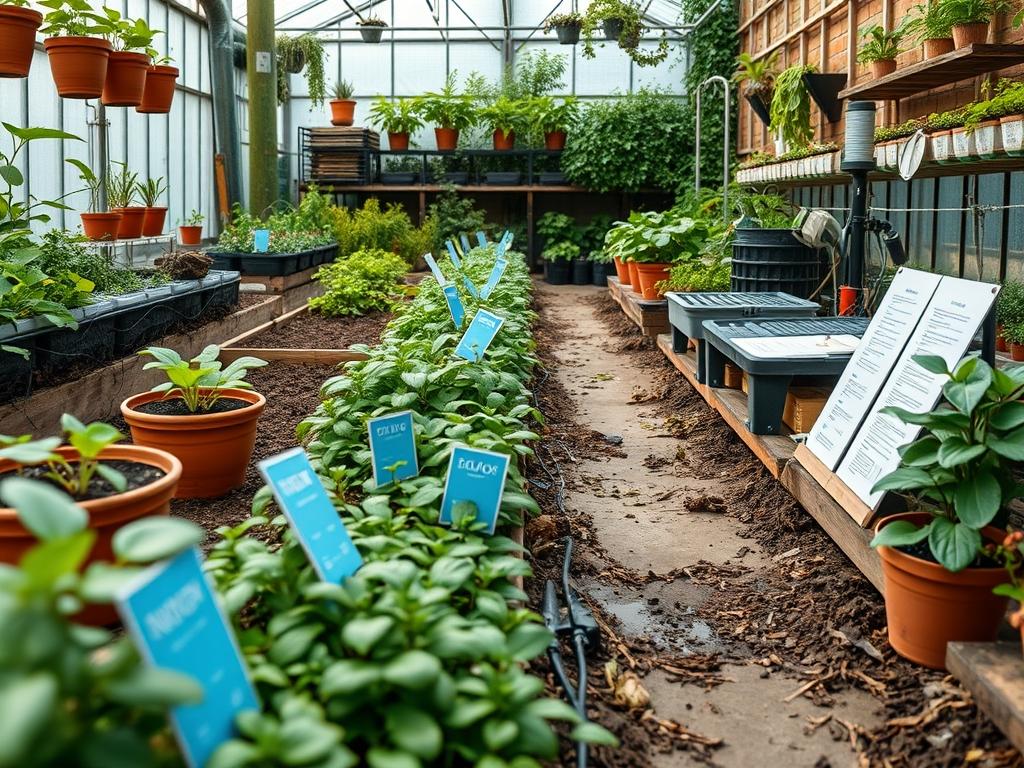
Designing a luxury landscape or high-value garden environment requires more than just an artistic eye for symmetry and color. It demands a rigorous management strategy to protect the long-term health and aesthetic integrity of the plant material. One of the most persistent threats to outdoor functionality and curb appeal is the thrip. These microscopic insects can devastate flowering ornamentals, distort new foliage, and transmit debilitating plant viruses. Because thrips are often too small to see with the naked eye until the damage is already visible, professional landscape architects rely on monitoring tools to maintain biosecurity. Using Blue Sticky Cards for Thrips is the industry standard for early detection, allowing managers to identify an infestation before it compromises the visual balance of a curated garden. When we invest thousands of dollars in mature Specimen Trees and vibrant Perennials, a proactive monitoring system is not just an option; it is a fundamental component of the site maintenance plan.
Landscape Design Principles
Effective landscape design relies on the core principles of focal points, elevation layers, and visual rhythm. However, these aesthetic goals must be supported by practical infrastructure to ensure the landscape remains healthy. When planning a garden, we often utilize Symmetry to create a sense of order, placing high-value plants like Hibiscus or Gardenia at key transition points. These plants are unfortunately highly attractive to thrips. Incorporating Blue Sticky Cards for Thrips into the design phase ensures that these focal points are protected.
Elevation layers also play a significant role in pest management. By layering the landscape with Groundcovers, Mid-story Shrubs, and High Canopy Trees, we create distinct microclimates. Thrips tend to thrive in the sheltered, humid areas within dense foliage. Designers must plan for adequate airflow and spacing to prevent pockets of stagnant air where pests can reproduce unchecked. Irrigation planning is another critical pillar. Utilizing Drip Irrigation lines instead of overhead sprinklers helps keep the foliage dry, reducing the humidity levels that attract certain thrip species. Walkways should be designed to allow maintenance crews easy access to monitoring stations. By placing Blue Sticky Cards at 3-foot intervals along the windward side of the property, we can intercept incoming pests before they reach the main garden beds.
Plant and Material Selection
Selecting the right materials involves balancing hardiness with visual appeal. Below is a guide for plants often featured in professional designs that require close monitoring for thrips.
| Plant Type | Sun Exposure | Soil Needs | Water Demand | Growth Speed | Maintenance Level |
| :— | :— | :— | :— | :— | :— |
| Rosa chinensis (Roses) | Full Sun | Well-drained Loam | High | Fast | High |
| Gardenia jasminoides | Partial Shade | Acidic/Rich | Moderate | Medium | High |
| Chrysanthemum | Full Sun | Sandy/Balanced | Moderate | Fast | Medium |
| Mandevilla | Full Sun | Organic/Moist | High | Fast | Medium |
| Buxus (Boxwood) | Partial Sun | Well-drained | Moderate | Slow | Low |
| Verbena | Full Sun | Dry/Average | Low | Fast | Low |
Implementation Strategy
The transition from a design on paper to a physical landscape requires a structured implementation strategy. The process begins with proper grading to ensure that water moves away from the root crowns of sensitive plants. Poor drainage creates stressed plants, which are far more susceptible to thrip damage. Once the site is graded, we install Edging to define the beds and prevent invasive grass from competing with ornamental selections.
After the primary plantings are in place, a layer of Organic Mulch, such as Hardwood Bark or Cedar Chips, should be applied at a depth of 3 inches. This mulch regulates soil temperature and moisture. During the final stages of the installation, we set up the Integrated Pest Management (IPM) stations. This involves mounting Blue Sticky Cards for Thrips on Bamboo Stakes or Wire Holders. The cards should be positioned just above the plant canopy, as this is where thrips movements are most frequent. For large-scale projects, we recommend a density of 1 trap per 500 square feet in high-risk zones. By documenting the count of insects found on these cards every week, landscape consultants can determine if a targeted application of Neem Oil or Spinosad is necessary. This precision prevents the over-use of chemicals, protecting the local ecosystem and the health of the residents.
Common Landscaping Failures
One of the most frequent failures in professional landscaping is root overcrowding. When plants are installed too close together to achieve an “instant” full look, the lack of air circulation creates a breeding ground for thrips and fungal pathogens. Another common mistake is the misuse of high-nitrogen fertilizers. While Nitrogen promotes rapid green growth, it also makes the plant tissue softer and more attractive to piercing-sucking insects.
Irrigation inefficiencies often lead to soil compaction, particularly in heavy clay soils. If the soil cannot breathe, the plant becomes stressed and emits chemical signals that attract pests. Furthermore, many property owners neglect the “biosecurity” of their landscape by failing to use monitoring tools like Blue Sticky Cards for Thrips. Without these cards, an infestation is typically discovered only after the flowers are brown and the leaves are silvered and scarred. At that point, the cost of remediation is significantly higher than the cost of prevention. Finally, many designers fail to account for “vector plants” or weeds near the property line. Weeds like Dandelion or Clover can host thrips and serve as a reservoir for viruses that later jump to the ornamental garden.
Seasonal Maintenance
Landscape management is a year-round commitment that shifts with the seasons.
Spring: This is the most critical time for monitoring. As temperatures rise, thrips emerge from the soil or overwintering sites. Install fresh Blue Sticky Cards and check them every 48 hours. Apply a pre-emergent herbicide to planting beds to reduce weed hosts.
Summer: High heat can lead to rapid thrip life cycles. Ensure that irrigation systems are functioning perfectly; drought-stressed plants are thrip magnets. During the peak of July and August, increase the frequency of card inspections. If you notice a spike in pest numbers, consider using Beneficial Insects like Lacewings or Predatory Mites.
Autumn: This is the time for sanitation. Remove spent annuals and prune back perennials. Clear away fallen leaf litter, as this is where many pests attempt to overwinter. Replace any damaged Hardware or Edging and refresh the Mulch to a consistent 4-inch depth to insulate roots for the winter.
Winter: While pest activity slows, this is the season for structural maintenance. Clean and sharpen Pruning Shears and Loppers. Review the pest data collected from the Blue Sticky Cards throughout the year to plan adjustments for the following season. It is also the ideal time to inspect hardscaping elements like Retaining Walls and Paver Walkways for any shifting caused by frost heave.
Professional Landscaping FAQ
Why are blue cards used instead of yellow cards?
While yellow cards attract a wide range of insects, Blue Sticky Cards for Thrips are specifically calibrated to the visual spectrum of the Western Flower Thrip. This reduces the “bycatch” of beneficial insects and provides more accurate data for this specific pest.
How high should I hang the sticky cards?
For the best results, place the cards roughly 1 to 2 inches above the top of the plant canopy. As the plants grow, you must adjust the height of the Bamboo Stakes to keep the traps in the primary flight zone.
Can these cards be used in salt-air coastal environments?
Yes, professional-grade cards use a Weatherproof Adhesive that remains effective in high humidity and salt spray. However, in coastal areas, you may need to replace them more frequently if they become coated with wind-blown sand or salt crust.
How many cards do I need for a standard residential lot?
For a standard quarter-acre lot, we recommend placing 4 to 6 cards in high-value garden beds. Focus on areas with flowering plants like Roses or Daylilies, as these are the primary targets for thrip activity.
Do sticky cards eliminate the need for pesticides?
They are primarily a diagnostic tool. While they do catch and kill some insects, their main purpose is to alert you to an infestation early. Using the data from the cards allows for Spot Treatments rather than covering the entire landscape in chemicals.