
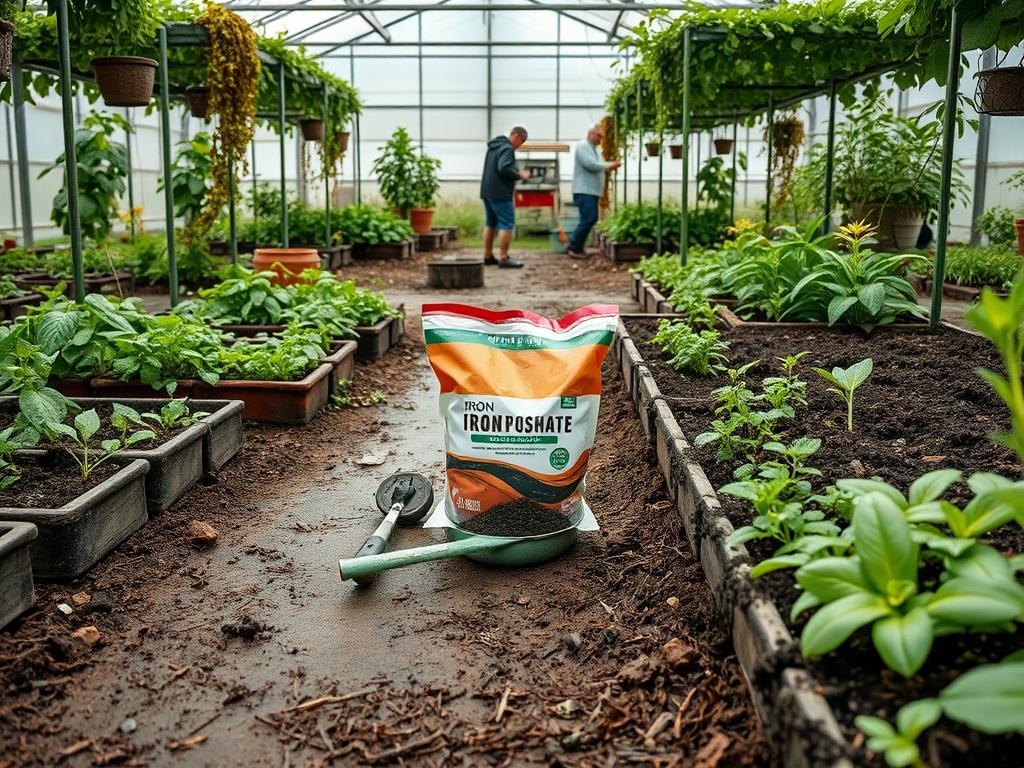
Maintaining an impeccable landscape requires more than just an artistic eye and a significant investment in hardscaping. It demands a rigorous understanding of the biological threats that can compromise the structural integrity and aesthetic value of a garden. Among these threats, slugs and snails represent a persistent challenge for homeowners and professionals alike. A perfectly designed elevation layer or a symmetrical planting of hostas can be decimated in a single damp evening, leaving the foliage tattered and the curb appeal diminished. While traditional methods of pest control often involved harsh chemicals that could prove detrimental to the broader ecosystem, the modern landscape architect prioritizes solutions that are both effective and environmentally responsible. This is where the application of iron phosphate for slugs becomes an essential tool in the professional gardener’s arsenal. Unlike older metaldehyde baits, iron phosphate occurs naturally in the soil and breaks down into nutrients that plants can actually use. It offers a sophisticated, low-impact approach to pest management that aligns with the principles of sustainable outdoor design. When we plan a high-end residential project, we consider not only the visual balance of the space but also the long-term health of the micro-climate we are creating.
Landscape Design Principles
Successful landscape design is the marriage of form and function. To create a space that feels both expansive and intimate, we rely on core principles like symmetry, focal points, and elevation layers. Symmetry provides a sense of order and formality; it is often achieved through mirrored plantings along a central Walkway or Stone Path. However, the visual impact of a symmetrical layout depends entirely on the uniformity of the plant material. If a row of Boxwood or Hydrangea is unevenly affected by pest damage, the entire design feels fragmented. This is why incorporating proactive pest management like iron phosphate for slugs is a design decision as much as a maintenance one.
Focal points serve as the anchor for the visual experience. Whether it is a large Basalt Fountain, a specimen Japanese Maple, or a cluster of vibrant perennials, these elements draw the eye and dictate the flow of movement through the garden. Slugs and snails frequently target these high-interest plants because they often reside in the moisture-rich environments found near water features or under dense foliage. By treating the perimeter of these focal points with iron phosphate, we ensure that the viewer’s attention remains on the beauty of the design rather than the damage found on the leaves.
Elevation layers add depth and complexity to the landscape. We use Retaining Walls, raised planters, and tiered garden beds to create vertical interest and better drainage. While these structures enhance the beauty of the yard, they also create cool, dark crevices where slugs thrive. Managing the moisture levels within these layers is critical. Proper Irrigation Planning must account for the specific needs of each zone, but even with the most advanced Drip Irrigation system, some areas will remain damp. Implementing a consistent application of iron phosphate across these different elevations ensures that the transition from the ground cover to the mid-story canopy remains seamless and healthy.
Plant and Material Selection
Choosing the right flora is about more than just color; it is about site-specific resilience. In areas prone to heavy moisture, we select plants that can handle the humidity while understanding they may become targets for gastropods. The following table highlights common selections and their requirements when designing a professional garden.
| Plant Type | Sun Exposure | Soil Needs | Water Demand | Growth Speed | Maintenance Level |
| :— | :— | :— | :— | :— | :— |
| Hosta | Shade to Part Sun | Rich, Humus-heavy | High | Moderate | Low |
| Delphinium | Full Sun | Fertile, Alkaline | High | Fast | High |
| Marigold | Full Sun | Well-drained | Medium | Fast | Moderate |
| Japanese Forest Grass | Part Shade | Moist, Acidic | High | Slow | Low |
| Coral Bells | Part Sun | Well-drained | Medium | Moderate | Moderate |
| Sweet Potato Vine | Full Sun to Part Shade | Moist, Loamy | High | Very Fast | Moderate |
When selecting these species, we must also consider the Mulch type used in the beds. Hardwood Mulch or Pine Bark Nuggets provide excellent moisture retention for the plants but can also harbor snails. To counter this, many professionals apply a thin layer of iron phosphate for slugs directly onto the mulch surface during the early spring. This creates a protective barrier that is virtually invisible to the naked eye, preserving the clean look of the garden beds.
Implementation Strategy
The implementation of a professional landscape begins with site preparation and grading. We must ensure that the ground slopes away from the home at a rate of at least 2 percent to prevent water from pooling near the foundation. Proper grading reduces the overall slug population by eliminating the stagnant puddles they require for survival. Once the grading is complete, we establish the Hardscaping elements. This includes the installation of 6-inch Steel Edging or Paver Borders to define the transition between turf and garden beds. These physical barriers help contain the iron phosphate pellets within the treatment zone, preventing them from being washed away during heavy rainfall.
After the structural elements are in place, we focus on soil health. We often amend the soil with Compost or Leaf Mold to achieve a depth of at least 8 inches for perennial beds. While these amendments are excellent for plant growth, they also increase the biological activity that attracts slugs. Our strategy involves applying iron phosphate at a rate of approximately 1 level teaspoon per square yard. The pellets are scattered evenly, not piled, to maximize the chances of a slug encountering the bait as it emerges from the soil. This application should occur in the evening, shortly before the pests become active, and ideally following a light rain or irrigation cycle when the ground is moist.
Common Landscaping Failures
One of the most frequent failures in high-end landscaping is the over-crowding of plant material. In an effort to achieve an “instant” mature look, many designers plant too closely together. This creates a lack of air circulation at the soil level, leading to fungal issues and a haven for slugs. Proper spacing, based on the mature width of the species, is essential for a healthy garden. For example, a Hosta with a 3-foot spread should be planted at least 3.5 feet away from its neighbor to allow for light penetration and airflow.
Another common mistake involves irrigation inefficiency. Over-watering, particularly late in the evening, leaves the foliage wet overnight. This essentially creates a highway for snails to move from the soil to the high-value leaves. We recommend Surface Emitters or soaking hoses rather than overhead sprayers. Furthermore, soil compaction is a silent killer of landscape beauty. When soil is compacted by heavy foot traffic or improper construction techniques, it loses its ability to drain. The resulting muddy surface is the ideal breeding ground for pests. Aerating the soil and adding Coarse Sand or Perlite can help break up the compaction and make the environment less hospitable for mollusks.
Seasonal Maintenance
A professional landscape is never static; it requires a seasonal management plan to thrive. In the spring, as the soil temperature rises above 40 degrees Fahrenheit, the first application of iron phosphate for slugs should be prioritized. This targets the overwintering population before they have a chance to lay eggs. During this time, we also perform a “clean-out” of any dead organic matter or leaf litter that may have accumulated over the winter.
Throughout the summer, the focus shifts to moisture management and deadheading. We maintain a 3-inch layer of fresh mulch to suppress weeds and cool the roots. If the weather is particularly humid, a second application of iron phosphate may be necessary, especially around vulnerable species like Lupines and Dahlias.
In the autumn, we prepare the garden for dormancy. This involves cutting back perennials and removing any dying annuals. Because slugs will attempt to lay eggs in the soil for the following year, a final late-season baiting can significantly reduce next year’s pest pressure. Winter maintenance is largely about protection; we check Retaining Walls for structural integrity and ensure that heavy snow or ice does not damage the branch structures of our focal trees.
Professional Landscaping FAQ
Is iron phosphate safe for my pets and local wildlife?
Yes. Unlike older chemical baits, iron phosphate is non-toxic to dogs, cats, and birds. It breaks down into phosphate and iron, which are natural soil minerals. This makes it the preferred choice for eco-conscious landscape management.
How often should I reapply the pellets in a wet climate?
In regions with heavy rainfall, you should reapply iron phosphate every two weeks. While many formulations are rain-resistant, repeated heavy downpours will eventually dissolve the pellets, reducing their effectiveness against the slug population.
Can I use iron phosphate on my raised vegetable garden beds?
Absolutely. It is an excellent choice for edible crops. Since it is OMRI listed for organic use, you can safely apply it around lettuce, strawberries, and other low-growing produce that are targeted by snails and slugs.
Why are my plants still showing damage after one application?
The bait works by causing the slugs to stop feeding immediately, but they may take a few days to hide and perish. If damage continues, you may have a high population density requiring a second, more thorough application.
Does iron phosphate affect beneficial insects like bees or ladybugs?
No. Iron phosphate specifically targets the digestive systems of mollusks, such as slugs and snails. It has no known negative impact on beneficial insects, spiders, or earthworms, maintaining the natural balance of your garden’s ecosystem.