
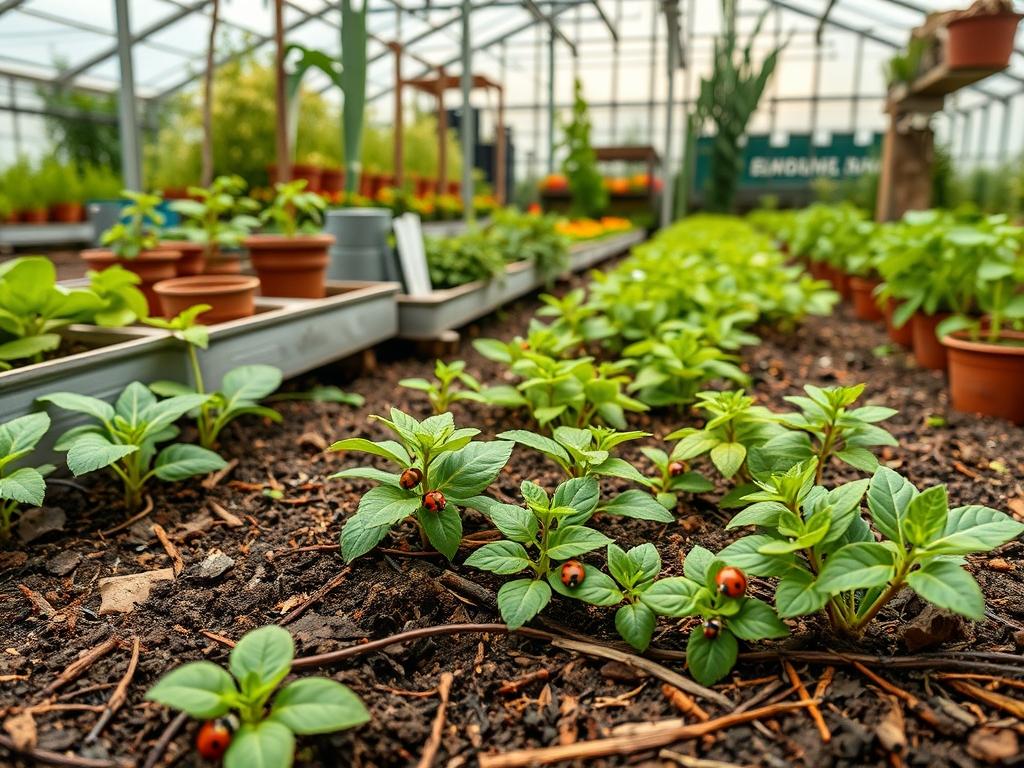
Modern landscape architecture often faces a persistent conflict between aesthetic perfection and ecological health. High-end residential and commercial properties require impeccable curb appeal. However, the traditional reliance on synthetic pesticides to achieve this look frequently backfires, creating a sterile environment that is vulnerable to sudden infestations. Integrated Pest Management (IPM) offers a more sustainable path forward by prioritizing biological controls over chemical interventions. Central to this strategy is the deliberate encouragement of Beneficial Ladybugs, specifically the Convergent Lady Beetle. These insects act as a mobile defense system for your investment, protecting expensive ornamental plantings from aphids, scale, and mites without the risk of groundwater contamination or pollinator decline. By framing the landscape as a living system rather than a static picture, we can design spaces that are both visually stunning and functionally resilient. This approach considers site hydrology, soil health, and microclimates to ensure that these natural predators have the habitat they need to thrive throughout the growing season.
Landscape Design Principles
Effective landscape design relies on a marriage of form and function. When designing for beneficial insects, we must maintain the core tenets of professional architecture, such as symmetry, focal points, and elevation layers. Symmetry provides a sense of order and intentionality, which is particularly important in urban or suburban settings where “wild” patches might otherwise look neglected. By placing ladybug-attracting plants in symmetrical borders or formal parterres, we signal that the biological activity is a planned part of the estate.
Elevation layers are equally critical. A well-designed garden utilizes a hierarchy of heights, starting with groundcovers, moving to herbaceous perennials, and finishing with a canopy of shrubs and trees. This verticality provides different microclimates for ladybugs. They might hunt for aphids on the high leaves of a Japanese Maple during the day and retreat to the cooler, shaded layers of Pachysandra or Creeping Thyme in the heat of the afternoon. Visual balance is achieved by mixing fine-textured foliage with bold, architectural plants.
Functionality is driven by effective irrigation planning and clear walkways. Walkways composed of Flagstone or Decomposed Granite provide necessary access for maintenance and allow for the inspection of plant health. Proper Irrigation planning, specifically the use of Drip irrigation systems, ensures that water reaches the root zones without creating the excessive humidity on foliage that can lead to fungal issues. Fungal outbreaks can weaken plant immunity, making them more susceptible to the very pests we want the ladybugs to manage.
Plant and Material Selection
The following table outlines high-performance plants that satisfy both the aesthetic demands of professional landscaping and the metabolic needs of Beneficial Ladybugs.
| Plant Type | Sun Exposure | Soil Needs | Water Demand | Growth Speed | Maintenance Level |
| :— | :— | :— | :— | :— | :— |
| Achillea millefolium (Yarrow) | Full Sun | Well-drained | Low | Fast | Low |
| Anethum graveolens (Dill) | Full Sun | Rich Loam | Moderate | Fast | Moderate |
| Coreopsis (Tickseed) | Full Sun | Sandy/Rocky | Low | Medium | Low |
| Lobularia maritima (Alyssum) | Full/Part Sun | Neutral pH | Moderate | Fast | Low |
| Foeniculum vulgare (Fennel) | Full Sun | Deep Loam | Moderate | Fast | Medium |
| Cosmos bipinnatus | Full Sun | Average | Low | Fast | Low |
Materials such as Shredded Cedar Mulch, River Rock, and Steel Edging help define these planting zones. Shredded Cedar Mulch is particularly beneficial as it retains moisture and provides a textured surface where ladybugs can deposit eggs or seek shelter during heavy rains and wind.
Implementation Strategy
The transition from a conceptual drawing to a functional landscape begins with site preparation. Professional Grading is the first step; the land must be shaped to direct water away from structures and toward designated drainage areas or rain gardens. This prevents the soil saturation that can kill the roots of ladybug-attracting perennials.
Next, define the garden beds using Commercial Grade Edging. Whether you choose 14-gauge Steel Edging or Cast Stone Paving, a clean edge separates the manicured turf from the biodiversity zones. This visual boundary is essential for modern curb appeal. Once the layout is established, incorporate Organic Compost into the top 6 inches of the soil profile to ensure vigorous plant growth.
When planting, follow a staggered triangular pattern to promote rapid coverage and minimize weed competition. Install a 3-inch layer of Mulch across the entire bed surface after planting. This mulch layer acts as an insulator and a habitat for ladybug larvae, which are often mistaken for tiny alligators. Finally, integrate Hardscaping elements like Benches or Retaining walls. A Natural Stone Retaining Wall is not only a structural necessity for sloping lots but also provides অসংখ্য small crevices where ladybugs can safely overwinter.
Common Landscaping Failures
One of the most frequent errors in landscape management is the use of broad-spectrum insecticides. Even those marketed as “safe” can wipe out entire populations of Beneficial Ladybugs, leaving the garden defenseless when the next wave of aphids arrives. This creates a cycle of chemical dependency that degrades soil health over time.
Another common failure involves improper drainage. If a site lacks a French drain or proper Catch basins, water will pool and cause root rot in many of the flowering herbs that ladybugs prefer. Soil compaction is another silent killer. When heavy machinery is used during construction without proper remediation, the resulting compacted earth prevents oxygen and water from reaching roots. This stress makes plants emit chemical signals that actually attract pests like spider mites.
Root overcrowding is also a concern. High-density planting looks good on day one, but without proper spacing, plants compete for limited nutrients. For example, planting Yarrow closer than 18 inches apart can lead to poor air circulation and powdery mildew. Finally, irrigation inefficiencies, such as over-watering through overhead sprayers, can wash away ladybug eggs and larvae before they have a chance to mature.
Seasonal Maintenance
Landscape management is a year-round commitment. In the spring, focus on cleaning up the site without being too aggressive. Avoid removing all dead plant material until temperatures are consistently above 50 degrees Fahrenheit. This allows ladybugs that have spent the winter in the garden to emerge safely. This is also the time to check the Irrigation timers and ensure all Drip emitters are functioning.
Summer maintenance involves focused pruning and monitoring. Use Pruning Shears to deadhead spent blooms, which encourages a second flush of flowers in mid-summer. Monitor the “pest pressure” on your focal plants. If you see a small colony of aphids, wait a few days before intervening to see if the local ladybug population can handle the task.
Autumn is the season for preparation. Instead of “putting the garden to bed” by stripping it bare, leave some ornamental grasses and hollow-stemmed perennials standing. These provide critical overwintering sites. Apply a fresh 2-inch layer of Mulch to protect roots from the coming frost.
In winter, the focus shifts to hardscape inspection and planning. Check Retaining walls for shifting and clean out Drainage grates. Avoid using heavy salts for ice melt near planting beds, as high sodium levels in the soil can be toxic to the plants that support your ladybug population the following spring.
Professional Landscaping FAQ
How many ladybugs do I need for a standard backyard?
A typical residential garden of 2,000 square feet rarely needs purchased insects. Instead, focus on habitat. Providing the right nectar and pollen sources usually attracts enough native ladybugs to manage localized pest outbreaks naturally and sustainably.
Will ladybugs stay in my garden after I release them?
Purchased ladybugs often fly away immediately if the habitat is not suitable. To encourage them to stay, provide a water source, release them at dusk, and ensure there is an existing food supply of aphids or pollen-producing flowers.
Are ladybug larvae harmful to my ornamental plants?
No, ladybug larvae are strictly predatory. They look like tiny, black and orange spiked crawlers. They are more voracious than the adults, often consuming hundreds of aphids a day, making them your most effective asset for protecting delicate foliage and blooms.
Can I use any mulch for ladybug habitats?
Shredded Bark or Cedar Mulch is preferred over dyed wood chips or rubber mulch. Natural wood products break down and support a complex ecosystem of soil biology, providing the temperature regulation and moisture that beneficial insects require to complete their life cycles.
Does high-pressure power washing affect ladybug populations?
Yes, excessive power washing of Retaining walls and Siding can destroy overwintering colonies. If maintenance is required, try to perform it during mid-summer when ladybugs are active in the foliage rather than tucked into the crevices of your hardscaping or home.