
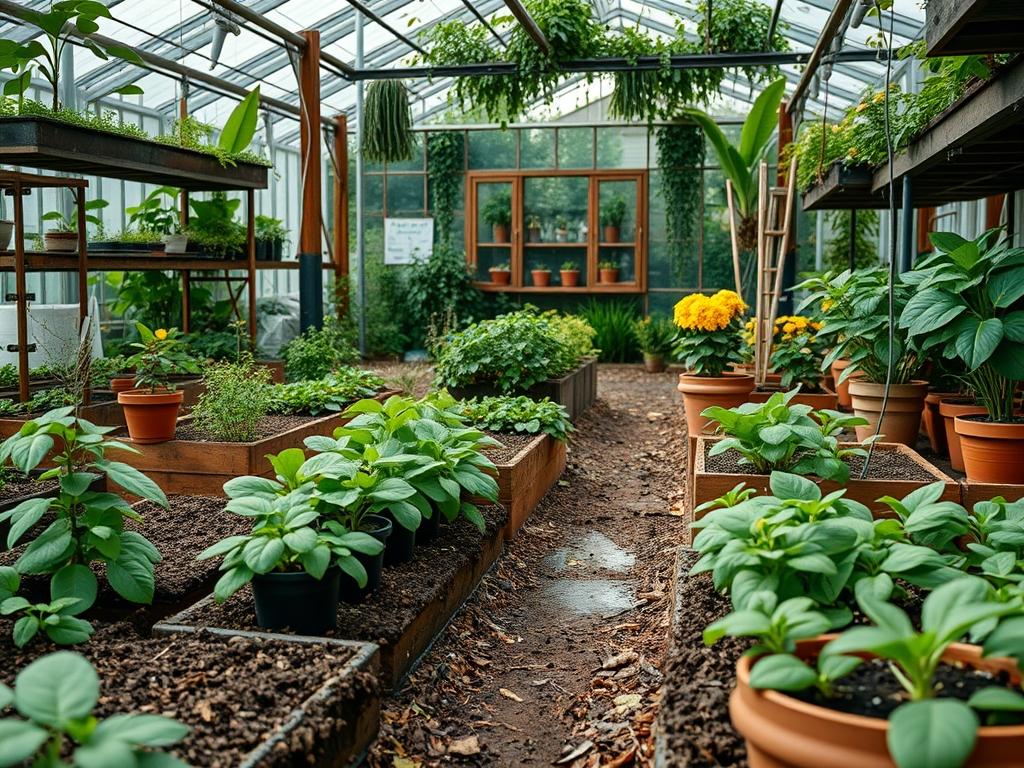
The vulnerability of a landscape often reveals itself in the transition between late spring and early summer, particularly when young seedlings are struggling to establish their root systems. As a landscape architect, I view the garden not merely as a collection of plants but as an integrated ecosystem where aesthetic curb appeal depends heavily on the structural integrity of the foliage. Flea beetle control is a significant challenge in this regard; these pests produce characteristic shot-hole damage that can quickly turn a lush, professional border into a ragged eyesore. When designing an outdoor environment, we must consider how these insects compromise the functionality of the space. A garden meant for hosting and relaxation loses its primary appeal when the ornamental focal points are riddled with necrotic spots and stunted growth. Effective management requires a shift from reactive spraying to a proactive architectural strategy that incorporates microclimate manipulation and biological barriers.
Maintaining visual rhythm and health across a site requires a deep understanding of how pests interact with the topography. In a professionally curated landscape, the goal is to protect the investment in high-value specimens while ensuring the entire site remains a cohesive unit. If flea beetles decimate a row of Brassicas or Solanaceous plants, the symmetry of the design is broken, leaving unsightly gaps that invite weed encroachment and soil erosion. By integrating pest management into the initial site analysis, we can create environments that are naturally resilient and easier to maintain throughout the growing season.
Landscape Design Principles
Designing for pest resilience begins with the principle of spatial variation. To minimize the impact of flea beetle control measures, we utilize elevation layers. By placing susceptible plants in raised retaining walls or elevated planters, we can create physical distance from the soil where many flea beetle species overwinter as larvae. Focal points should be selected not only for their beauty but for their hardiness. If a high-visibility area requires a plant known to attract beetles, such as Eggplant or Radish, it should be flanked by aromatic deterrents or structural elements that break the pests’ line of sight.
Symmetry in the garden provides a sense of order, but it also allows for strategic irrigation planning. Proper water placement via drip irrigation lines ensures that the foliage remains dry, which can discourage some beetle species while keeping the root zone hydrated for maximum vigor. Walkways and hardscaping elements serve as more than just paths; they act as firebreaks against crawling pests and provide clean borders for the application of organic soil amendments. Visual balance is maintained by ensuring that the scale of the plants remains consistent, a feat only possible if the early growth stages are protected from heavy defoliation.
Plant and Material Selection
Selecting the right materials involves balancing the biological needs of the plants with the structural requirements of the landscape design. The following table outlines critical selections for a garden focused on resilience and aesthetic longevity.
| Plant Type | Sun Exposure | Soil Needs | Water Demand | Growth Speed | Maintenance Level |
| :— | :— | :— | :— | :— | :— |
| Eggplant (Trap Crop) | Full Sun | Rich, Loamy | High | Moderate | High |
| Radish (Sacrificial) | Full Sun | Loose, Sandy | Medium | Fast | Low |
| Bok Choy | Partial Shade | High Organic | Medium | Very Fast | Moderate |
| Aromatic Rosemary | Full Sun | Well-Drained | Low | Moderate | Low |
| Catnip (Deterrent) | Full Sun | Average | Low | Fast | Low |
| Marigold | Full Sun | Any | Medium | Moderate | Low |
Implementation Strategy
The successful implementation of a garden layout requires a meticulous focus on site preparation. We begin with grading to ensure that the site has a 2 percent slope away from building foundations and toward proper drainage swales. Once the topography is set, we establish logical edging to define the transition between turf and planting beds. For effective flea beetle control, the application of a 3 inch layer of hardwood mulch or pine bark is essential. This mulch layer disrupts the life cycle of the beetles by making it difficult for larvae to emerge from the soil in the spring.
During the planting phase, we utilize physical barriers such as spun-bond polyester row covers. These should be installed immediately after transplanting seedlings. The fabric must be secured with 6 inch garden staples to prevent the beetles from crawling underneath. For permanent landscape fixtures, we integrate hardscaping materials like natural flagstone or decomposed granite to reduce the amount of exposed soil where pests might congregate. If the design includes a kitchen garden, we recommend a layout that places trap crops on the perimeter, attracting the beetles away from the central focal points.
Mechanical controls are also integrated into the layout. We strategically place Yellow sticky traps at the height of the foliage to monitor pest populations. This data allows for precision intervention rather than broad-spectrum spraying. When biological controls are necessary, the application of Beneficial nematodes directly into the moist soil via the irrigation system can drastically reduce the number of larvae before they reach maturity.
Common Landscaping Failures
One of the most frequent mistakes in professional landscaping is the failure to address drainage. Excessively wet soil leads to compaction and root rot, which stresses the plant and makes it an easy target for flea beetles. A healthy plant can survive minor feeding damage, but a stressed plant will often succumb. Improper spacing is another common error; when plants are overcrowded, airflow is restricted. This creates a humid microclimate that favors pest hiding spots and inhibits the effectiveness of organic sprays like Neem oil or Pyrethrum.
Soil compaction is often overlooked during the construction phase. Heavy machinery can crush the soil structure, preventing healthy root penetration. We resolve this by using core aerators and incorporating organic compost into the top 8 inches of soil before any seedlings are installed. Irrigation inefficiencies, such as overhead sprinkling in the heat of the day, can also cause problems. Water droplets can act as a lens, scorching the leaves and creating damaged tissue that is even more attractive to beetles.
Seasonal Maintenance
Seasonal management is the hallmark of a professional landscape consultant. In the spring, the focus is on prevention. We perform soil testing to ensure the pH is balanced and the Cation exchange capacity is optimized. As temperatures reach 50 degrees Fahrenheit, we begin monitoring for the first emergence of pests. This is the time to apply Diatomaceous earth around the base of vulnerable seedlings to create a jagged, abrasive barrier that deters crawling insects.
During the summer, the priority shifts to mitigation and hydration. We monitor the mulch depth and replenish areas where it has thinned. If flea beetle populations spike, we may recommend a short-term application of Spinosad, ensuring it is applied in the late evening to protect beneficial pollinators. Autumn is a critical window for sanitation. By removing all spent plant material and digging lightly into the top 2 inches of soil, we expose overwintering adults to the elements and predators. Finally, in winter, we maintain the structural integrity of the hardscape and plan for crop rotation in the following year to ensure that pests do not find a consistent host in the same location.
Professional Landscaping FAQ
How do I identify flea beetle damage versus other pests?
Flea beetles leave small, circular holes that look like a pepper shaker pattern across the leaves. Unlike slugs, they do not leave slime trails. Unlike larger caterpillars, they rarely consume the entire leaf margin, focusing instead on the interior blade tissue.
What is the best mulch for pest suppression in garden beds?
A medium-textured cedar mulch or shredded hardwood is ideal. These materials pack tightly enough to disrupt insect emergence while still allowing for excellent water infiltration. Avoid using large bark nuggets, as these create large voids where beetles can easily hide.
Can I use companion planting to reduce beetle populations?
Yes, planting Green onions, Garlic, or Marigolds near susceptible seedlings can confuse the beetles’ sense of smell. While not a total solution, companion planting serves as a secondary layer of defense within a comprehensive integrated pest management strategy.
When is the most critical time to protect my seedlings?
The first 3 weeks after germination or transplanting are the most dangerous. Once a plant develops its third set of true leaves and its stems toughen, it becomes much more resilient to the feeding habits of the beetles.
Are there any non-toxic sprays for immediate control?
Kaolin clay is a highly effective, non-toxic mineral spray. It creates a white, powdery film on the leaves that agitates the beetles and prevents them from feeding. It must be reapplied after heavy rains or significant new growth occurs.