
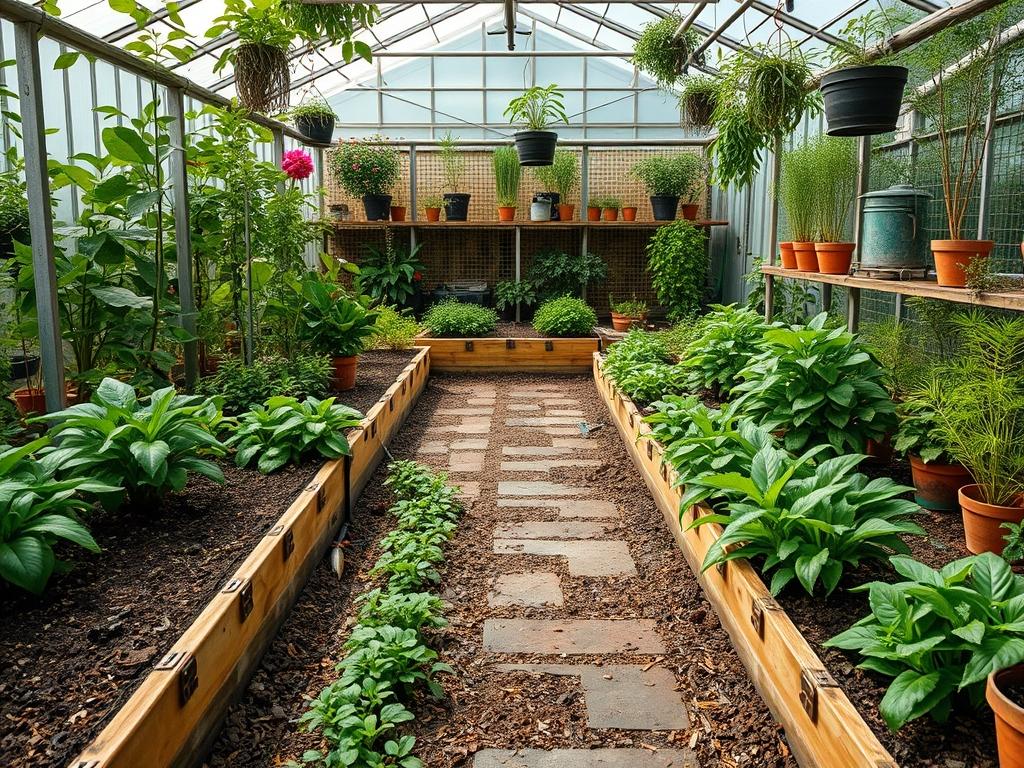
Maintaining a high-end residential landscape requires more than just a conceptual eye for beauty; it demands a rigorous commitment to biological health and structural integrity. When a landscape architect designs a property, the initial plant selection and hardscape placement serve as the skeleton of the project, but the long-term curb appeal rests on the ability to manage the living ecosystem without relying on harsh synthetic chemicals. Organic land management has shifted from a niche preference to a professional standard, making the mastery of Neem Oil Application a critical skill for any estate manager or serious gardener. This naturally occurring pesticide, derived from the seeds of the Neem Tree, offers a multi-purpose solution for managing soft-bodied insects and fungal pathogens that frequently threaten high-value ornamental species. However, the effectiveness of this tool is directly tied to the environmental conditions and the architectural layout of the garden itself.
Architectural landscaping serves several functional goals, including privacy screening, thermal regulation, and the extension of indoor living spaces into the outdoor environment. In regions with high humidity or stagnant air pockets, traditional landscape designs often suffer from powdery mildew or aphid infestations that can defoliate an entire section of Boxwood hedging in a matter of weeks. To prevent such aesthetic and structural losses, integrated pest management must be woven into the very fabric of the landscape plan. This involves understanding how wind moves through the site, how sun exposure affects leaf temperature, and how the specific concentration of an organic treatment like Neem Oil interacts with the different textures of the foliage. A professional approach treats the garden as a performance space where every plant must remain in peak condition to maintain the intended visual balance.
Landscape Design Principles
Successful landscape design is predicated on the application of symmetry and visual weight to create a sense of permanence and order. When planning a large-scale garden, the use of focal points, such as a specimen Japanese Maple or a bespoke water feature, directs the eye and establishes the narrative of the space. Symmetry provides a formal structure, often achieved through mirrored plantings of Italian Cypress or European Hornbeam along a central axis. However, these symmetrical designs are particularly vulnerable to pests; a single dying plant in a row of ten creates a glaring visual gap that ruins the entire composition. Professional designers mitigate this by ensuring that the irrigation planning and airflow are optimized to reduce the need for constant intervention.
Elevation layers are equally important for creating depth. A well-designed landscape utilizes a foreground, mid-ground, and background, layering low-lying Perennials against mid-sized shrubs and towering canopy trees. This layering provides visual interest and also creates microclimates within the garden. For instance, the shaded, cooler areas under a White Oak canopy will have different pest pressures than the sun-drenched Stone Walkway lined with Lavender. Irrigation must be zoned according to these layers to prevent over-watering, which is the primary cause of the root rot and fungal issues that Neem Oil is often called upon to treat. By designing with clear walkways and maintenance access paths, the landscape architect ensures that high-pressure Sprayers can reach every leaf surface during the application process.
Plant and Material Selection
The following table outlines common structural and ornamental plants used in professional landscaping and their specific needs to ensure a high-performing organic environment.
| Plant Type | Sun Exposure | Soil Needs | Water Demand | Growth Speed | Maintenance Level |
| :— | :— | :— | :— | :— | :— |
| Common Boxwood | Full Sun to Shade | Well-Drained Loam | Moderate | Slow | High |
| English Lavender | Full Sun | Sandy, Alkaline | Low | Medium | Moderate |
| Oakleaf Hydrangea | Part Shade | Rich, Acidic | High | Medium | Moderate |
| Dwarf Alberta Spruce | Full Sun | Moist, Well-Drained | Moderate | Very Slow | Low |
| Japanese Forest Grass | Full Shade | Humus-Rich | High | Slow | Low |
| Crepe Myrtle | Full Sun | Adaptable | Moderate | Fast | Moderate |
Implementation Strategy
The transition from a design on paper to a physical garden layout requires precise execution of grading and soil preparation. Before any Neem Oil Application is ever considered, the physical environment must be stabilized. Grading is the first priority; the land must be sloped away from the home and hardscape structures at a minimum of a 2 percent grade to ensure proper drainage. Low spots in the lawn or garden beds will collect water, creating a breeding ground for fungus gnats and root-burning mold. Once the grade is established, the installation of Filter Fabric and high-quality Steel Edging helps define the beds and prevents the encroachment of invasive turf grasses into the ornamental zones.
When installing the plant material, the depth of the Mulch layer is a critical maintenance detail. A depth of 3 inches of organic Cedar Mulch or Hardwood Bark is ideal for moisture retention and weed suppression, but it must be kept away from the direct base of the tree trunks to prevent bark rot. For the application of organic treatments like Neem Oil, the garden should be mapped out into treatment zones based on the sensitivity of the plants. Use a 4-Gallon Backpack Sprayer for large-scale application, ensuring the nozzle is set to a fine mist. The mixture typically involves 2 tablespoons of pure Neem Oil and 1 teaspoon of liquid Castile Soap per gallon of water. This emulsifier is necessary because oil and water do not naturally mix; the soap breaks down the surface tension of the oil so it can be spread evenly across the foliage.
Common Landscaping Failures
The most frequent failures in landscape management stem from a lack of foresight regarding plant maturity. Root overcrowding occurs when a designer places plants too close together for immediate “fullness” without considering their size in five years. This lack of spacing chokes out airflow, leading to stagnant humidity and heavy infestations of scale and mealybugs. Soil compaction is another silent killer, often caused by heavy machinery during the construction phase of Hardscaping or Retaining Walls. Compacted soil lacks the pore space necessary for oxygen to reach the roots, stressing the plant and making it a primary target for opportunistic pests.
Irrigation inefficiencies also contribute significantly to plant decline. Spraying water directly onto the leaves of Roses or Zinnias in the heat of the day can cause leaf scorch and encourage black spot fungus. A professional landscape should prioritize Drip Irrigation systems that deliver water directly to the root zone. When these cultural practices fail, and an outbreak occurs, the application of Neem Oil must be handled with care. A common mistake is applying the oil in the direct midday sun; this causes a phytotoxic reaction where the oil intensifies the sun’s heat and literally cooks the leaf tissue. Applications should always occur at dawn or dusk when temperatures are below 85 degrees Fahrenheit.
Seasonal Maintenance
Landscape management is a year-round commitment that changes with the solar cycle. In the Spring, the focus is on pre-emergent weed control and the application of dormant oils to fruit trees before the buds break. This is the time to check the integrity of Irrigation Lines and clean out any debris from French Drains. As the garden enters Summer, the priority shifts to pest monitoring and deep watering. This is the peak season for Neem Oil Application, specifically targeting active larvae on the undersides of leaves where they hide from the sun.
During the Autumn, the landscape architect focuses on sanitation. Removing fallen, diseased leaves from the base of Perennials reduces the overwintering population of pests. It is also the best time for core aeration of the lawn to combat the soil compaction mentioned previously. Finally, in the Winter, maintenance involves the structural pruning of Deciduous Trees and the protection of evergreen shrubs from heavy snow loads using Burlap Wraps. Checking the soil pH during the dormant season allows for the gradual adjustment of nutrients before the spring growth flush begins, ensuring the plants have the systemic strength to resist the following year’s pests.
Professional Landscaping FAQ
How often should I apply Neem Oil to my landscape?
For active infestations, apply every 7 to 10 days. For preventative maintenance on high-value specimens, a once-monthly application during the growing season is usually sufficient to deter most common pests and fungal spores.
Will Neem Oil harm the beneficial bees in my garden?
When applied correctly at dusk, the oil dries before bees become active the next morning. Since Neem Oil must be ingested or directly contacted while wet, it is generally safe for pollinators once the spray has dried completely.
Can I use Neem Oil on all types of plants?
Most plants tolerate it well, but some thin-leaved species like Japanese Maples or certain Ferns can be sensitive. Always perform a test on a single leaf and wait 24 hours to check for any signs of browning or spotting.
What is the best way to mix the solution for a large sprayer?
Fill your Pressure Sprayer halfway with warm water first. Add the Castile Soap and Neem Oil next; then fill the remainder with water. This ensures the oil emulsifies properly throughout the entire volume of the tank for a consistent application.
How does drainage affect the success of organic treatments?
Poor drainage creates constant moisture stress. Even the best organic treatments like Neem Oil will struggle to keep a plant healthy if its roots are sitting in anaerobic, waterlogged soil. Proper Grading is the foundation of any successful pest management strategy.