
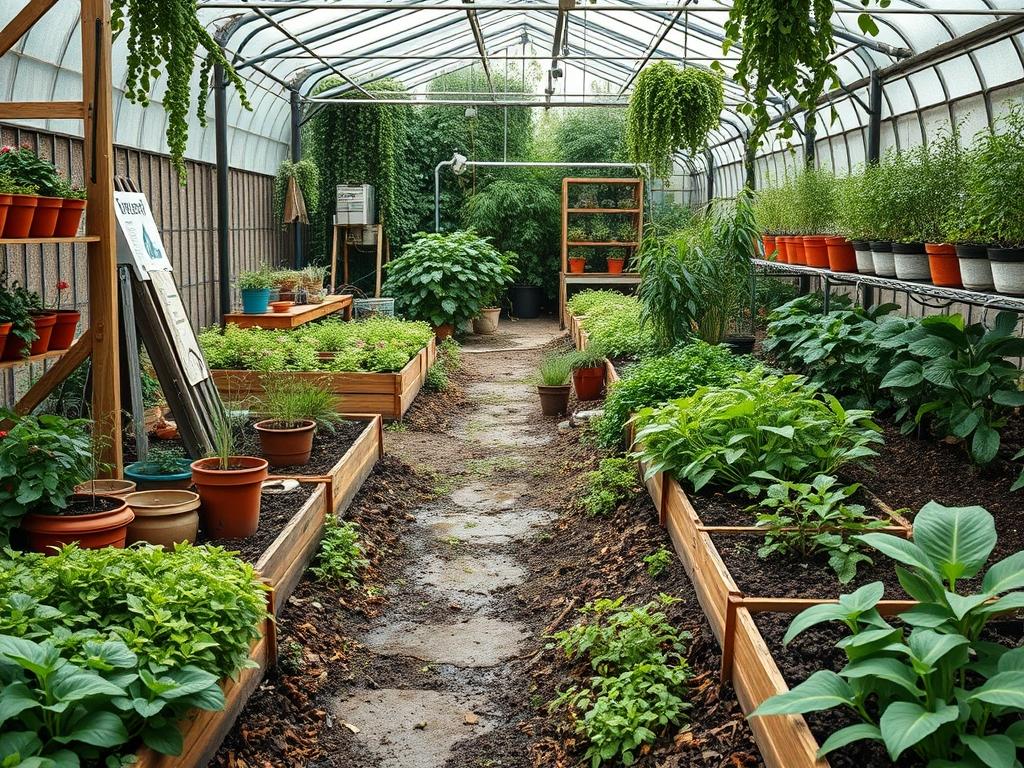
Landscape architecture is far more than the simple arrangement of shrubs and sod; it is the deliberate orchestration of an outdoor ecosystem that balances aesthetic desire with environmental responsibility. When we approach a property, we look at the topography, the prevailing winds, and the microclimates created by existing structures to build a space that feels both inevitable and intentional. This process requires a deep understanding of biotic factors, from the chemistry of the soil to the insect populations that inhabit the foliage. A significant part of maintaining the high standards of curb appeal and plant health involves pest management, specifically through the use of organic compounds like pyrethrin. However, because pyrethrin is a broad-spectrum botanical insecticide, its use must be governed by strict Pyrethrin Safety Tips to protect our most valuable garden allies: the bees. By integrating functional landscape goals with ecologically sound maintenance practices, a designer can create a sanctuary that supports both human leisure and the local pollinator population.
Sustainable design begins with identifying the primary goals of the outdoor environment, whether it is increasing property value through curb appeal or creating a private retreat for family gatherings. Functionality is the bedrock of these efforts. For instance, a beautifully graded slope prevents water from pooling against a foundation, while a strategically placed retaining wall can turn a useless incline into a series of vibrant planting tiers. Within this framework, modern landscaping must tackle the reality of pest control without compromising the integrity of the garden biodiversity. We advocate for an Integrated Pest Management (IPM) strategy where botanical solutions are used sparingly and with precision. Understanding the nuances of chemical application is just as vital as knowing the right depth for a weeping tile or the proper height for a masonry wall.
Landscape Design Principles
The success of any high-end landscape project relies on a few core principles that guide the eye and ensure the longevity of the installation. Symmetry and visual balance provide the structural rhythm of the garden. Whether you choose a formal design with mirrored rows of Boxwood or an informal, asymmetrical layout using native grasses, the weight of the visuals must feel even. Focal points, such as a large Japanese Maple or a bespoke stone fountain, act as the anchor of the design, giving the viewer’s eye a place to rest after scanning the broader environment.
Elevation layers are another critical tool for the landscape architect. By varying the height of plantings, from low-growing Creeping Thyme groundcovers to mid-level perennials like Coneflower and towering canopy trees, we mimic natural forest edge dynamics. This layering also creates a vertical habitat for beneficial insects. When managing these layers, irrigation planning must be incredibly precise. Over-watering can lead to fungal issues, while under-watering stresses the plants, making them more susceptible to pests that might eventually require intervention. Walkways should be designed not just for transit but as a way to delineate different zones of the garden, often using materials like flagstone or decomposed granite to provide texture and permeability.
Plant and Material Selection
Choosing the right materials and flora is a technical exercise in matching species requirements with site conditions. We evaluate the macro-porosity of the soil and the sun exposure of every quadrant before placing a single plant in the ground.
| Plant Type | Sun Exposure | Soil Needs | Water Demand | Growth Speed | Maintenance Level |
| :— | :— | :— | :— | :— | :— |
| English Lavender | Full Sun | Sandy, Well-drained | Low | Moderate | Low |
| River Birch | Full/Partial | Moist, Acidic | High | Fast | Moderate |
| Emerald Green Arborvitae | Full/Partial | Loamy, Neutral | Moderate | Moderate | Moderate |
| Purple Coneflower | Full Sun | Versatile/Poor soil | Low | Fast | Low |
| Little Bluestem Grass | Full Sun | Dry, Sandy | Very Low | Moderate | Very Low |
| Hydrangea Macrophylla | Partial Shade | Rich, Humus | High | Fast | High |
Selecting plants that are naturally resistant to local pests can reduce the need for chemical applications. However, when an infestation of aphids or mites threatens a prized specimen, pyrethrins are often the preferred choice due to their rapid breakdown in the environment.
Implementation Strategy
Groundwork is the most intensive phase of any landscape project. It begins with professional grading to ensure that the site has a 2 percent slope away from all structures. This prevents hydrostatic pressure from damaging basement walls and ensures that excess rainwater flows toward designated drainage points like French drains or bioswales. Edging is then installed to create a clean break between different garden elements, such as the turfgrass and the planting beds. We typically recommend steel edging for its durability and crisp profile.
Once the hardscaping is in place, the mulch depth becomes a primary focus. A 3-inch layer of organic hardwood mulch is standard for moisture retention and weed suppression, but it must be kept away from the direct trunks of trees to prevent bark rot. Irrigation systems are best installed as drip lines beneath the mulch layer to deliver water directly to the root zones, which minimizes evaporation and reduces the risk of foliar diseases. During the final planting phase, each specimen should be installed in a hole twice the width of its root ball to encourage lateral root growth into the native soil.
Common Landscaping Failures
The most frequent mistakes in residential landscaping occur when the long-term growth of the plants is ignored. Root overcrowding is a common byproduct of improper spacing; a tree that looks perfect in a 15-gallon container may eventually reach a 30-foot spread, lifting nearby pavers or cracking drainage pipes. Furthermore, soil compaction from heavy machinery during construction can suffocate roots by collapsing the air pockets necessary for oxygen exchange. Identifying these issues early is part of the professional consulting process.
Irrigation inefficiencies often lead to the most significant plant loss. Spray heads that hit the foliage of roses or other mildew-prone species create a breeding ground for pathogens. Similarly, poor drainage leads to anaerobic soil conditions where roots essentially drown. When these environmental stressors weaken the plants, pests move in. Homeowners often react by over-spraying without following Pyrethrin Safety Tips, which can lead to unintended consequences for the local ecology.
Seasonal Maintenance
Maintenance is a year-round commitment that changes with the cycles of the sun. In the spring, the focus is on cleanup and fertilization. We recommend a slow-release granular fertilizer and the pruning of any winter-killed branches. This is also the time to inspect for the early arrival of pests. If you must use insecticides, your first line of defense should be timing. One of the most important Pyrethrin Safety Tips is to apply the product only during the late evening or early morning when bees are not active. Because pyrethrins degrade quickly in sunlight, an evening application provides maximum pest control while minimizing the residue that foragers might encounter the next day.
Summer maintenance involves monitoring water levels and managing high-growth periods. Autumn is the time for aeration and overseeding of lawns with Tall Fescue or Kentucky Bluegrass to ensure a dense carpet that outcompetes weeds. In the winter, the focus shifts to protecting the structural integrity of the landscape. Applying dormant oil to fruit trees can kill overwintering insect eggs, reducing the need for more aggressive sprays in the spring. Throughout every season, bee protection remains a priority. Never apply treatments to plants that are currently in bloom, as this is the most direct way to harm pollinators.
Professional Landscaping FAQ
What is the best time to apply pyrethrin for bee safety?
The safest time is after sunset or before dawn. Bees are inactive during these hours, and the botanical compound will degrade significantly before the sun rises, minimizing the risk of contact when they begin foraging on the next morning’s blooms.
How does pyrethrin affect the soil in my garden?
Pyrethrins have low soil mobility and bind strongly to organic matter. They break down rapidly through microbial action and exposure to light, meaning they do not typically leach into groundwater or persist in the substrate for extended periods of time.
Can I use pyrethrins on my vegetable garden?
Yes, pyrethrins are often used on food crops because they have a short pre-harvest interval. Always check the product label for specific wait times, and ensure you are not spraying the flowering parts of the vegetables where bees frequent.
What are the primary Pyrethrin Safety Tips for homeowners?
Always wear protective gear, avoid spraying on windy days to prevent drift, and focus only on the affected plants. Never allow the product to enter storm drains or water bodies, as it can be highly toxic to aquatic life.
Is it safe to let pets in the yard after spraying?
Wait until the spray has completely dried before allowing pets or children back into the treated area. Usually, this takes about one to two hours depending on humidity and temperature. Always verify the specific re-entry interval listed on the label.