
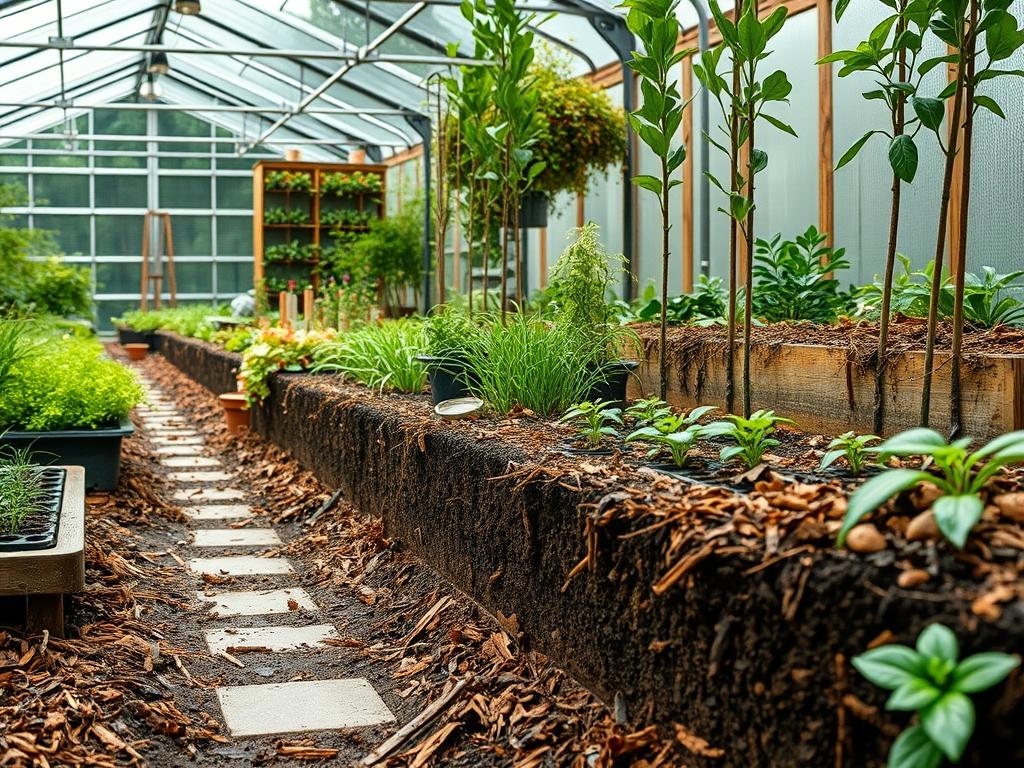
Homeowners often view the perimeter of their property through a lens of aesthetics, yet the structural integrity of a landscape relies on silent, functional layers that protect the investment. A primary challenge in modern landscape architecture involves balancing immediate curb appeal with long term environmental resilience. When we design outdoor environments, we must consider how materials interact with the local climate and the biological pressures of the region. Insects and wood destroying organisms represent a significant threat to both softscapes and hardscape structures. Integrating Cedar Chip Mulch into a site plan is not merely a stylistic choice. It is a strategic decision to utilize the natural chemistry of the Thuja genus to create a protective barrier. These chips contain Thujone, a volatile organic compound that acts as a natural deterrent against termites, roaches, and certain species of ants. By selecting materials that serve dual purposes, we ensure that a property remains beautiful while reducing the reliance on synthetic chemical interventions.
Effective outdoor functionality requires a deep understanding of site conditions. In regions with high humidity or heavy seasonal rainfall, moisture management becomes the highest priority. If a landscape holds too much water near the foundation, it invites subterranean pests and fungal pathogens. Cedar Chip Mulch offers a distinct advantage here because of its fibrous texture and slow decomposition rate. Unlike hardwoods that may mat down and become anaerobic, cedar maintains its structure, allowing for better air circulation and gas exchange within the soil. This permeability supports root health while preventing the stagnant, damp conditions that serve as breeding grounds for mosquitoes and gnats. When we plan a landscape, we look at the interaction between the grading, the irrigation system, and the ground cover. The goal is to create a cohesive ecosystem where each element supports the longevity of the others.
Landscape Design Principles
In professional landscape architecture, we rely on core principles to guide the spatial arrangement of a property. Symmetry and visual balance are the first considerations. A well balanced yard utilizes focal points, such as a specimen tree or a stone sculpture, to draw the eye and provide a sense of order. However, the ground plane acts as the canvas for these features. Using a consistent material like Cedar Chip Mulch across various garden beds creates a unifying texture that ties disparate zones together. It provides a clean, professional finish that enhances the vibrant greens and floral colors of the mid story plantings.
Elevation layers are equally important. We design in three dimensions, starting with the ground cover, moving to the herbaceous layer, then to shrubs, and finally to the canopy. Cedar chips provide a stable base for these layers. Because they resist floating or washing away during heavy rain, they help maintain the crisp edges of walkways and retaining walls. We also focus on irrigation planning. A landscape is only as successful as its water delivery system. By applying a 3 inch layer of cedar, we reduce evaporation rates, which means the drip irrigation or sprinkler system can run for shorter durations. This efficiency is a cornerstone of sustainable design, especially in drought prone areas where water conservation is mandated by local codes.
Visual balance also involves the transition between the built environment and the natural one. The transition zone near the home foundation is the most critical area for pest prevention. Conventional organic mulches can sometimes draw termites toward the structure. By utilizing cedar specifically in the zones adjacent to the foundation, we utilize its repellent properties exactly where the home is most vulnerable. This demonstrates that landscape design is not just about where plants are placed, but how the selection of materials protects the physical assets of the property.
Plant and Material Selection
Selecting the right flora to accompany your mulch choice is essential for a low maintenance, high impact yard. Below is a selection of plants that thrive when paired with the moisture retaining and protective qualities of cedar mulch.
| Plant Type | Sun Exposure | Soil Needs | Water Demand | Growth Speed | Maintenance Level |
| :— | :— | :— | :— | :— | :— |
| Lavender | Full Sun | Well Drained | Low | Moderate | Low |
| Rosemary | Full Sun | Sandy/Loamy | Very Low | Fast | Medium |
| Native Grasses | Full to Partial Sun | Adaptive | Low | Fast | Low |
| Boxwood | Partial Shade | Rich/Moist | Moderate | Slow | Medium |
| Coneflower | Full Sun | Any | Moderate | Moderate | Low |
| Dwarf Yaupon Holly | Full to Partial Sun | Adaptive | Moderate | Slow | Low |
Implementation Strategy
A successful implementation starts with meticulous site preparation. First, the grading must be checked to ensure that water flows away from the home foundation at a minimum slope of two percent. Once the land is shaped, we focus on edging. Whether using steel, stone, or a deep spade cut, a clean edge prevents the mulch from migrating into the turf and keeps grass roots from invading the garden beds. Before the mulch is applied, any existing weeds should be removed, and if the soil is heavily compacted, a light tilling or aeration is recommended to improve oxygenation.
The actual application of the Cedar Chip Mulch should be precise. We aim for a depth of 2 to 3 inches. If the mulch is too thin, it will not suppress weeds or retain moisture effectively. If it is too thick, it can prevent water from reaching the soil and may suffocate the root systems of smaller plants. When spreading the material, it is vital to keep it pulled back at least 3 inches from the trunks of trees and the stems of shrubs. This prevents bark rot and discourages rodents from nesting against the base of the plant. For hardscaping elements like stepping stones or flagstone paths, the mulch should be leveled slightly below the surface of the stone to ensure a safe, trip free walking surface.
Finally, consider the drainage infrastructure. In areas where water tends to collect, we often install French drains or dry creek beds using river rock. The cedar mulch should be used to transition between these stone features and the planted areas. This combination of materials ensures that the landscape can handle a heavy rain event without losing its structural integrity or its aesthetic appeal. The result is a layered, professional look that functions as well as it looks.
Common Landscaping Failures
One of the most frequent mistakes we see in residential landscapes is the “mulch volcano.” This occurs when mulch is piled high against the trunk of a tree. This practice traps moisture against the bark, leading to decay and providing a highway for wood boring insects to enter the tree. Over time, this can kill even the most robust specimen. Proper spacing and a flat, even application are the only ways to avoid this issue. Another common failure is poor drainage planning. If the subgrade is not properly sloped before the mulch and plants are installed, water will pool under the mulch, leading to root rot and a souring of the organic material.
Soil compaction is another silent killer. During construction or heavy landscaping projects, foot traffic and machinery compress the soil, destroying the pore spaces that hold air and water. If you lay mulch over compacted soil, the plants will struggle to establish themselves regardless of how much water you provide. Furthermore, improper spacing of plants often leads to overcrowding within three to five years. While a garden may look full on day one, failure to account for the mature width of Dwarf Yaupon Holly or Boxwoods will eventually lead to a tangled mess that restricts airflow and encourages pest infestations.
Seasonal Maintenance
Landscape management is a year round commitment. In the spring, the focus is on replenishment. As the cedar mulch breaks down over the winter, it adds organic matter to the soil, but the top layer may lose its luster. We recommend adding a fresh 1 inch top dressing of cedar to restore the pest repellent properties and the visual depth of the beds. This is also the time to apply a pre emergent weed control if necessary and to check the irrigation zones for any leaks or clogged nozzles.
During the summer, the priority shifts to moisture retention. As temperatures rise, the cedar mulch acts as an insulator, keeping the roots cool. Maintenance involves monitoring for “hot spots” where the sun hits the ground directly and ensuring that the mulch layer hasn’t been thinned out by wind or birds. In the autumn, it is important to clear fallen leaves from the top of the mulch. If leaves are allowed to mat down, they can create a barrier that prevents water from penetrating the soil and can negate the pest repellent benefits of the cedar by creating a new habitat for bugs.
Winter maintenance is often overlooked, but it is the best time for structural pruning and evaluating the skeleton of the landscape. Because cedar is naturally resistant to decay, it will hold up well through the snow and ice. During this dormant season, we check for any erosion gaps and ensure that the retaining walls and hardscape edges are still secure. By following this seasonal cycle, you protect your investment and ensure the landscape continues to mature in a healthy, sustainable way.
Professional Landscaping FAQ
1. Does cedar mulch really repel termites?
Yes, cedar contains Thujone, which is naturally toxic or repellent to termites and other wood losing insects. While it is not a complete replacement for professional pest control, it serves as a significant first line of defense in your perimeter landscaping strategy.
2. How often should I replace my cedar chips?
Cedar is highly durable and decomposes slower than other woods. You should generally add a fresh 1 inch layer every year or two to maintain the color and the concentration of natural oils that repel pests and retain soil moisture.
3. Will cedar mulch change the pH of my soil?
There is a common myth that cedar acidifies soil. In reality, the decomposition process has a negligible effect on soil pH. It is safe for most ornamental plants, provided you choose species that match your existing soil profile and drainage capabilities.
4. Can I use cedar chips on a slope?
Cedar chips are excellent for slopes because their shredded, fibrous texture allows them to knit together. This creates a stable mat that is less likely to wash away during heavy rain compared to smooth, round bark nuggets or pine straw.
5. Is cedar mulch safe for pets and children?
Cedar is a natural, non toxic material, making it an excellent choice for family oriented landscapes. Unlike dyed mulches that may contain chemicals or heavy metals, natural cedar offers a clean, aromatic environment for play areas and walkways near the home.