
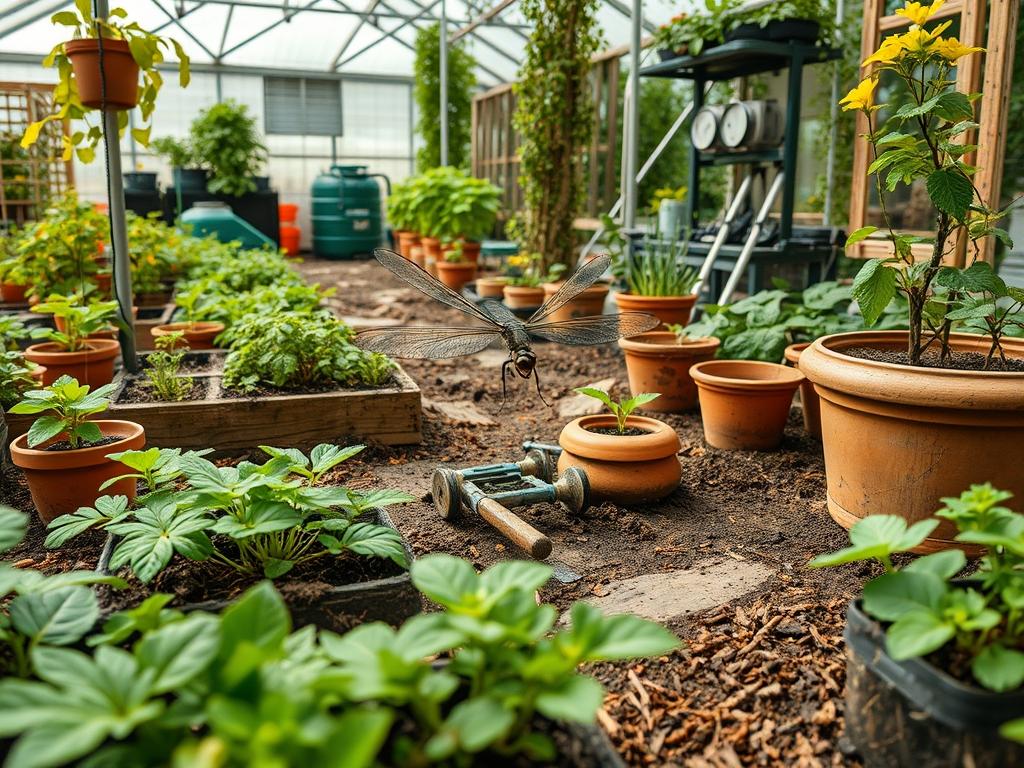
Successful landscape architecture focuses on more than just visual appeal; it seeks to create a functional, self-sustaining ecosystem that enhances the outdoor living experience. One of the most significant challenges for property owners in temperate and humid climates is the management of flying pests, specifically mosquitoes and midges. While chemical treatments offer a temporary reprieve, they often disrupt the delicate balance of local flora and fauna. A sophisticated solution lies in the strategic design of a dragonfly habitat. By integrating specific Dragonfly Habitat Basics into a site plan, a designer can leverage these apex aerial predators to provide natural pest control. This biological approach not only boosts the curb appeal of a property through vibrant aquatic and terrestrial plantings but also increases the overall functionality of the backyard by creating a comfortable, bite-free environment. For a modern estate, this means blending high-end aesthetics with environmental engineering.
Landscape Design Principles
To design an effective dragonfly habitat, a consultant must apply several core landscape principles, starting with visual balance and symmetry. The water feature, which serves as the primary breeding ground for dragonflies, should function as a focal point within the garden. This is often achieved through the use of a circular or kidney-shaped pond that mirrors the organic lines found elsewhere in the yard. Elevation layers are critical; dragonflies require different heights for hunting, resting, and mating. Designers should incorporate a variety of plant heights, ranging from low-lying groundcovers to mid-sized shrubs and tall ornamental grasses. This verticality provides “perching stations” where adult dragonflies can monitor their territory.
Irrigation planning must be precise to ensure the water level in the habitat remains consistent throughout the summer months without creating stagnant zones. Proper water circulation is a delicate balance; while dragonflies prefer calm waters for laying eggs, moving water prevents the pond from becoming a mosquito breeding site itself. This paradox is solved by using a low-flow submersible pump or a small waterfall feature that oxygenates the water without creating turbulence across the entire surface. Furthermore, the selection of walkways and hardscaping around the habitat should facilitate easy maintenance access while minimizing soil compaction near the pond edge. Using natural flagstone or porous pavers allows for better drainage and integrates the feature into the existing landscape.
Plant and Material Selection
The following table summarizes the essential vegetation required to support the various life stages of the dragonfly, from aquatic nymphs to aerial adults.
| Plant Type | Sun Exposure | Soil Needs | Water Demand | Growth Speed | Maintenance Level |
| :— | :— | :— | :— | :— | :— |
| Pickerel Weed | Full Sun | Rich Muck | High (Aquatic) | Fast | Medium |
| Water Lily | Full Sun | Heavy Clay | Deep Water | Moderate | Moderate |
| Blue Flag Iris | Full to Part Sun | Wet, Acidic | High | Moderate | Low |
| Common Sedge | Part Shade | Moist Soil | Med-High | Slow | Low |
| Switchgrass | Full Sun | Variable | Low-Med | Fast | Low |
| Arrowhead | Full Sun | Sandy Loam | High (Marginal) | Fast | Low |
Beyond flora, material selection is vital. Use EPDM pond liners for durability and geotextile underlayment to protect against root punctures. For the perimeter, river rocks and smooth boulders provide essential basking spots. Dragonflies are cold-blooded and require the thermal mass of sun-warmed stones to regulate their body temperature before flight.
Implementation Strategy
The transition from conceptual design to physical installation requires a methodical approach. First, site analysis must determine the area with the highest sunlight exposure, as dragonflies require at least six hours of direct sun daily. Once the location is staked out, grading begins. A professional pond should feature a tiered “shelf” system. The outer shelf should be roughly 6 inches deep to accommodate marginal plants like Arrowhead. The second shelf, at 12 to 18 inches, supports emerging plants. The center of the pond should reach a depth of at least 24 to 36 inches to provide a thermal refuge for nymphs during the winter and to prevent the pond from drying out during heat waves.
After excavation, ensure the pond floor is level using a laser level or a long spirit level on a straight board. Remove any sharp stones or roots that could compromise the liner. Lay the underlayment followed by the EPDM liner, allowing for significant overlap at the edges. Use heavy boulders to secure the liner perimeter, creating a naturalistic edge. When filling the pond with water, treat city water with a dechlorinating agent to protect the microorganisms that form the base of the dragonfly food chain.
The final step in implementation is the “softscaping” or planting. Group plants in hydro-zones based on their water requirements. Use aquatic planting baskets to contain aggressive spreaders like Water Lilies. Finally, apply a 2-inch layer of organic mulch around the terrestrial perimeter to retain moisture and suppress weeds, taking care to keep mulch out of the water to avoid nutrient spikes and algae blooms.
Common Landscaping Failures
One of the most frequent mistakes in pond construction is improper drainage. If the surrounding landscape grades toward the pond, heavy rains can wash fertilizers, pesticides, and silt into the water. This nutrient runoff causes nitrogen spikes, leading to eutrophication and the death of dragonfly nymphs. Designers must ensure that the pond edge is slightly elevated above the surrounding grade or install a French drain to redirect runoff.
Root overcrowding is another common failure. Many aquatic plants are highly invasive; if left unchecked, species like Cattails can choke out a pond within two seasons. This reduces the open water surface that dragonflies need for hunting and egg-laying. Similarly, improper spacing of terrestrial plants can limit the “flight paths” dragonflies use to patrol the garden. Soil compaction during the construction phase is also an issue; if the soil around the pond is too dense, it will not support the marginal vegetation necessary for the dragonfly’s transition from water to air. Finally, the introduction of predatory fish, such as large Koi or Goldfish, is a major error. These fish will consume dragonfly larvae, effectively neutralizing the habitat’s primary purpose.
Seasonal Maintenance
Maintenance requirements fluctuate with the seasons. In the spring, the focus is on clearing debris. Remove dead foliage from the previous year using pruning shears and check the pond pump for functionality. This is also the time to divide and repot any overgrown aquatic plants. As the weather warms into summer, water levels will drop due to evaporation. Top off the pond regularly to maintain the depth of the marginal shelves. Monitor for excessive algae growth; if necessary, add more floating plants to provide shade and compete for nutrients.
During autumn, the primary task is leaf management. Falling leaves can decompose in the water, stripping it of oxygen and creating a toxic environment for overwintering nymphs. Stretching a fine-mesh net over the surface can catch debris before it sinks. In winter, maintenance is minimal. If the area experiences deep freezes, use a pond de-icer or a small bubbler to keep a hole open in the ice. This allows for gas exchange, ensuring the survival of the dragonfly larvae tucked into the bottom sediment and plant roots.
Professional Landscaping FAQ
Do I need a filter for a dragonfly pond?
While not strictly necessary for a balanced ecosystem, a mechanical skimmer or bio-filter helps maintain clarity. Dragonflies prefer clean water, but they do not require the sterile conditions of a swimming pool. Natural filtration through plants is often sufficient.
How long does it take for dragonflies to arrive?
If you build it, they will come, often within days. Dragonflies are highly mobile and constantly search for new water sources. Once the aquatic plants are established and the water is stable, local populations will discover the site quickly.
Will a pond increase the mosquito population?
If designed correctly with minimal stagnation and healthy predator populations, the pond becomes a “death trap” for mosquitoes. Dragonflies and their nymphs eat mosquito larvae and adults, typically reducing the overall pest count on the property significantly.
Can I use stones from my own property?
Yes, provided they are clean and free of chemical contaminants. Fieldstone and river rocks are excellent for creating the irregular edges and basking spots dragonflies love. Avoid limestone if you need to keep the water pH neutral.
What is the ideal pond size for a residential yard?
A surface area of at least 40 to 50 square feet is recommended to create a stable ecosystem. While smaller “patio ponds” can work, larger volumes of water are more resistant to temperature swings and chemical imbalances.