
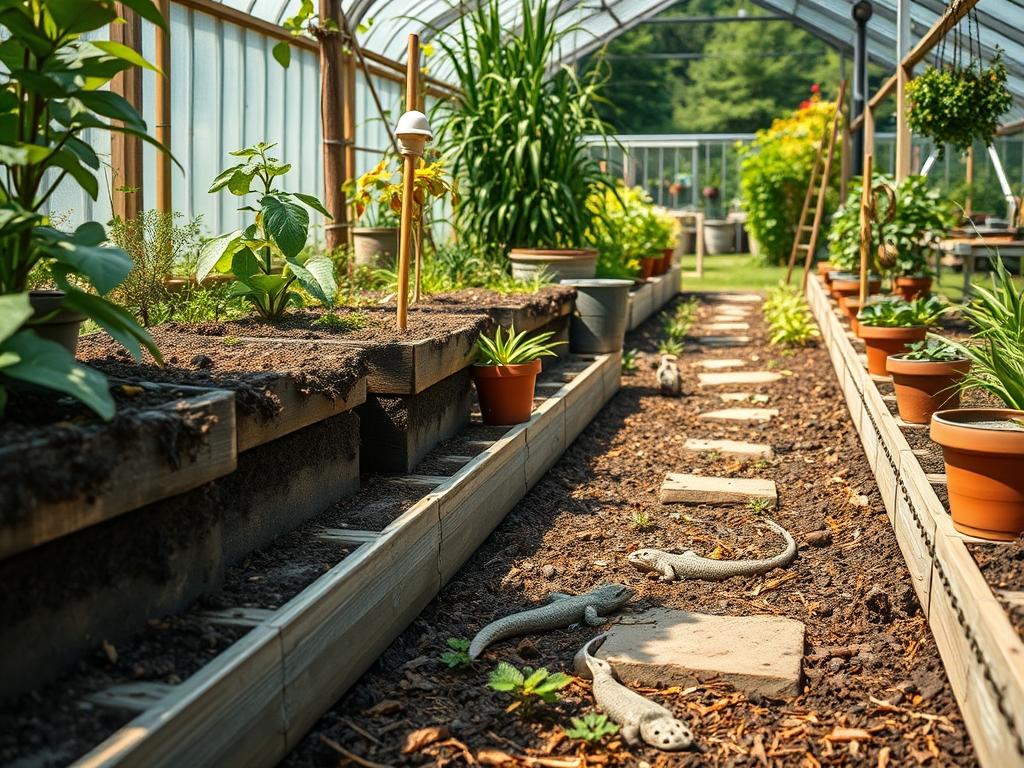
Sustainable landscape architecture requires a delicate balance between aesthetic perfection and ecological functionality. When we design outdoor environments, we often focus on the structural integrity of Retaining Walls or the color palette of ornamental shrubs, yet the most effective management tools are often the ones we do not build. Integrating reptile habitats into a commercial or residential landscape is a sophisticated strategy for organic insect management. Lizard benefits in gardens extend far beyond simple observation; these reptiles serve as a primary predatory layer that consumes beetles, crickets, roaches, and moths. By reducing the reliance on chemical pesticides, a landscape architect can maintain a healthier soil profile and promote a robust ecosystem that thrives with minimal intervention. These natural predators are particularly valuable in temperate and subtropical climates where insect populations can quickly overwhelm decorative foliage and compromise curb appeal. A garden designed with lizards in mind is not a wilderness, rather, it is a highly engineered environment where every Flagstone and Perennial serves a dual purpose.
Landscape Design Principles
Effective landscape design relies on historical principles of symmetry and visual balance while incorporating the biological needs of beneficial wildlife. To encourage lizard populations, we must consider elevation layers. Ground dwelling species and arboreal varieties require different vertical heights to hunt and regulate their body temperature. Incorporating a variety of tiers, from flat Slate walkways to mid-level Stone Ledges, creates the necessary architectural complexity. Symmetry in the formal garden provides clear sightlines for the human eye, but the inclusion of asymmetrical rock clusters within those zones offers the “edge effect” where lizards feel most secure.
Focal points should not only be limited to sculptures or water features. A large, well placed Boulder can serve as a thermal mass, absorbing heat during the day and radiating it slowly in the evening. This creates a microclimate that extends the activity period of lizards, allowing them more time to hunt evening pests. Irrigation planning must be precise. Over-saturation leads to fungal issues and can drown lizard eggs, which are often buried in soft, well drained soil. We utilize Drip Irrigation systems to deliver water directly to the root zones of plants, keeping the interstitial spaces between rocks dry and warm. Walkways should be constructed with materials like Decomposed Granite or large Pavers with minimal gap fillers, allowing for sand or fine gravel where certain species may burrow.
Plant and Material Selection
The selection of botanical elements must prioritize cover and the attraction of non-harmful pollinators, which in turn provides a food source for the lizards. We look for varieties that offer dense internal branching structures.
| Plant Type | Sun Exposure | Soil Needs | Water Demand | Growth Speed | Maintenance Level |
| :— | :— | :— | :— | :— | :— |
| Dwarf Yaupon Holly | Full Sun to Shade | Adaptable/Well-Drained | Moderate | Medium | Low |
| Blue Weber Agave | Full Sun | Sandy/Rocky | Low | Slow | Minimal |
| Creeping Rosemary | Full Sun | Well-Drained/Loamy | Low | Fast | Pruning Required |
| Texas Sage | Full Sun | Alkaline/Well-Drained | Very Low | Medium | High (Shaping) |
| Japanese Boxwood | Part Sun | Rich/Moist | Moderate | Slow | Moderate |
| Lantana Camara | Full Sun | Versatile | Low | Very Fast | Seasonal Cutback |
| Stonecrop Sedum | Full Sun | Gritty/Dry | Low | Medium | Very Low |
Implementation Strategy
Planning a backyard layout that maximizes lizard benefits in gardens requires a systematic approach to grading and placement. First, we establish the site grade. Proper drainage is essential; standing water is the enemy of a lizard friendly environment. We use a Transit Level to ensure the ground slopes away from the primary structure at a minimum of 2 percent. Once the grade is established, we install Non-woven Geotextile Fabric under areas designated for hardscaping to prevent weed growth without sacrificing soil aeration.
Edging should be crisp and permanent. We often specify 14-gauge Steel Edging or Heavy-duty Aluminum Edging to define the borders between turf and decorative rock zones. When placing mulch, depth is a critical factor. We recommend a 3 inch Layer of Hardwood Mulch or Pine Bark. This depth is sufficient to retain moisture for the plants but loose enough for lizards to navigate. Avoid using rubber mulch; it offers no ecological value and can reach temperatures that are lethal to small reptiles.
Hardscaping must involve the strategic placement of nesting sites. By stacking Fieldstone or Cut Limestone without mortar in specific areas, you create “interstitial galleries.” These are small crevices where lizards can hide from birds of prey. These stacks should be placed near Native Grasses or Low-Growing Shrubbery to provide a seamless transition from cover to hunting grounds. Finally, we install a Smart Irrigation Controller to manage water cycles based on local weather data, ensuring the environment remains optimal for both the vegetation and the reptile inhabitants.
Common Landscaping Failures
The most frequent error in modern landscaping is the creation of a “sterile” environment. When a designer uses too much concrete or tight-jointed Pavers, they eliminate the habitat needed for biological pest control. Soil compaction is another silent killer. When heavy machinery is used during construction without subsequent aeration, the soil becomes a Hardpan layer. This prevents lizards from digging nests and stunts the root growth of the very plants meant to provide them cover.
Irrigation inefficiencies often lead to “wet feet” for the plants and a damp, moldy environment that lizards avoid. High-volume spray heads often waste water and create a humid microclimate that attracts harmful slugs and snails without supporting the lizards that would eat them. Furthermore, improper spacing of plants leads to root overcrowding. Within 3 to 5 years, a poorly spaced garden becomes a dense thicket where sunlight cannot penetrate the lower canopy. This deprives lizards of the basking spots they need for digestion and energy. Designers must account for the mature width of every Schip Laurel or Privet to ensure the landscape remains open and functional over the long term.
Seasonal Maintenance
Maintenance is a year round commitment that shifts with the life cycle of the garden. In the Spring, the focus is on clearing debris and checking the Irrigation Valves. We prune dead wood from shrubs like Butterfly Bush to encourage new growth, which provides a fresh canopy for lizards emerging from brumation. This is also the time to apply a Slow-release Fertilizer to the base of ornamental plants.
During the Summer, the priority shifts to hydration management and monitoring for invasive pests. If the lizard population is healthy, you will notice fewer scorched leaves from aphids or spider mites. We suggest checking the mulch depth and replenishing any areas that have thinned to less than 2 inches.
In the Autumn, we resist the urge to “over-clean” the garden. Leaving some leaf litter in the peripheral zones provides crucial insulation for lizards during the colder months. We cut back Ornamental Grasses but leave several inches of the dried stalks to provide structural cover.
Winter maintenance involves protecting the hardscape. We inspect Dry-stack Walls for stability and ensure that drainage channels are clear of ice and debris. No chemical applications should be used during this time, as the dormant lizards are particularly sensitive to toxins in the soil. By following this seasonal rhythm, the landscape remains a productive sanctuary that maintains its value and beauty.
Professional Landscaping FAQ
How do lizards improve the health of my lawn?
Lizards act as a mobile pest control unit. They hunt crickets and grasshoppers that destroy turf roots and blades. By maintaining a healthy lizard population, you reduce the need for synthetic insecticides, leading to more resilient, organic soil health.
Will attracting lizards also attract snakes?
A well balanced landscape regulates itself. While a healthy ecosystem may occasionally attract higher predators, lizards primarily inhabit different niches than large snakes. Simple maintenance, like keeping grass trimmed to 3 inches, ensures that the environment remains safe and predictable for homeowners.
What is the best mulch for a lizard friendly garden?
Natural Cedar Mulch or Double-ground Hardwood Mulch is ideal. These materials provide excellent thermoregulation and support a healthy population of beneficial soil microbes. Avoid dyed mulches, as the chemical additives can be harmful to sensitive reptilian skin and eggs.
How many lizards do I need for my garden size?
Lizards are territorial; they will naturally regulate their own population based on the available food and cover. A standard 1,000 square foot garden can easily support a dozen or more lizards if there are enough vertical layers and hiding spots.
Can I use solar lights in a lizard habitat?
Yes, but placement is key. Solar lights attract moths and beetles at night, which can provide an easy feast for nocturnal or crepuscular reptiles. Place LED Path Lights near low shrubs or rock piles to facilitate this natural hunting behavior.