
Modern landscape architecture demands a sophisticated balance between aesthetic grandeur and ecological resilience. When we approach an outdoor environment, we are not merely arranging flora; we are engineering a living system that must withstand climatic fluctuations, soil variability, and biological pressures. High-quality landscaping serves as the primary interface between a residence and the natural world, significantly impacting curb appeal and long term property value. A well executed plan addresses more than visual symmetry. It considers how water moves across the surface, how wind filters through the canopy, and how different species interact within a shared nutrient web. For the discerning property owner, the goal is functional elegance where the transition from the interior living space to the exterior environment feels seamless and intentional.
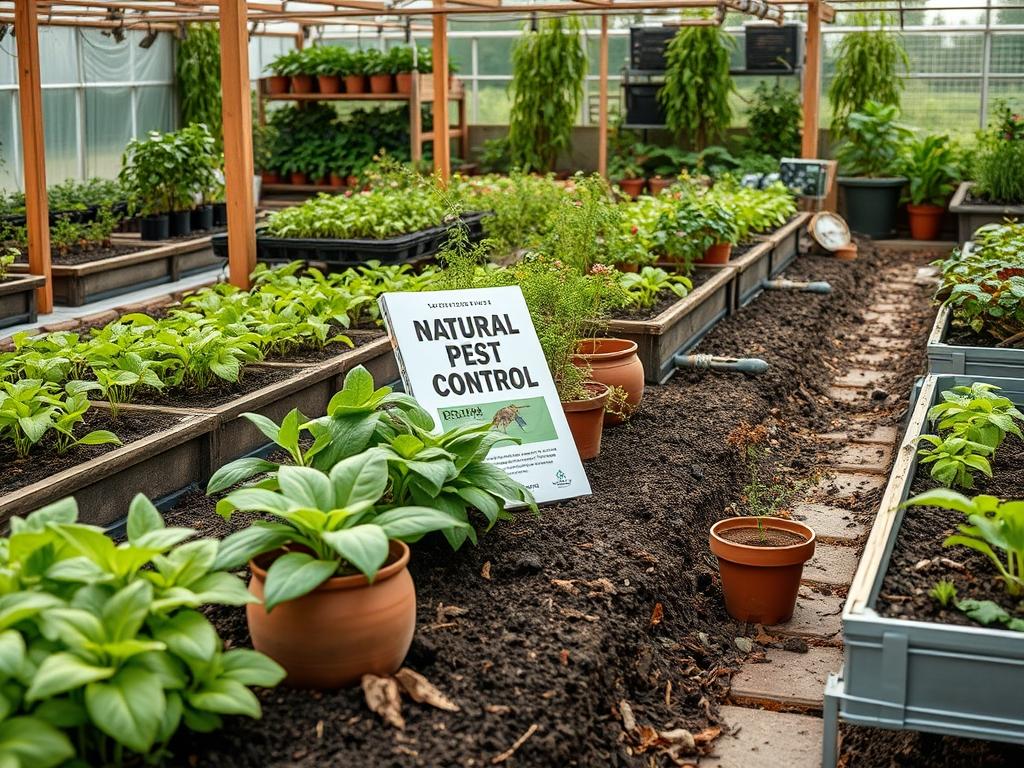
Strategic garden planning begins with a thorough site analysis. We must evaluate the topographical nuances of the land, identifying high points and depressions that dictate drainage patterns. Proper grading is the most critical phase of any installation, as a failure to move water away from foundations can lead to catastrophic structural issues. Once the physical site is prepared, the focus shifts to creating a sustainable ecosystem that minimizes the need for chemical interventions. Using natural pest control books as a guide for further study allows a designer to choose plants that naturally repel harmful insects or attract beneficial predators. This approach, known as Integrated Pest Management, is the hallmark of modern professional landscaping. It ensures that the beauty we create today remains viable for decades without degrading the local environment.
Landscape Design Principles
Successful landscape design rests on the foundational principles of spatial hierarchy and balance. We utilize focal points to draw the eye toward specific architectural features or majestic specimen trees. A focal point might be a custom stone hearth, a large granite boulder, or a tiered water feature. By placing these elements strategically, we create a sense of purpose within the outdoor room. Symmetry often appeals to the formal sensibilities of traditional estates, where mirrored rows of boxwoods or junipers flank a central flagstone walkway. However, asymmetrical balance is frequently more effective in contemporary or naturalistic designs, using varying plant masses and textures to create a fluid, organic feel.
Elevation layers constitute the vertical dimension of the garden. We design from the ground up, starting with a robust carpet of groundcover, moving to a mid-story of perennial shrubs, and culminating in an overstory of deciduous or evergreen trees. This layering provides visual depth and serves as a windbreak and privacy screen. We also incorporate hardscaping elements like retaining walls to manage steep slopes and create usable flat surfaces. These walls must be engineered with proper backfill and weep holes to handle hydrostatic pressure. Furthermore, hydrozoning—the practice of grouping plants with similar water requirements—optimizes our irrigation systems. By separating high-thirst lawns from drought-tolerant ornamental grasses, we ensure efficient water delivery and reduce waste across the entire property.
Plant and Material Selection
The selection of plant material determines the longevity and maintenance requirements of the landscape. We prioritize species that are adapted to the specific USDA hardiness zone of the project. Selecting the right plant for the right place reduces physiological stress, which in turn makes the plant less susceptible to infestations.
| Plant Type | Sun Exposure | Soil Needs | Water Demand | Growth Speed | Maintenance Level |
| :— | :— | :— | :— | :— | :— |
| Purple Coneflower | Full Sun | Well-drained | Moderate | Moderate | Low |
| Japanese Maple | Partial Shade | Loamy / Acidic | High | Slow | Medium |
| Switchgrass | Full Sun | Any / Sandy | Low | Fast | Low |
| Oakleaf Hydrangea | Part Shade | Rich / Moist | Moderate | Moderate | Medium |
| Creeping Thyme | Full Sun | Gritty / Dry | Low | Fast | Low |
| Eastern Red Cedar | Full Sun | Varied | Low | Fast | Minimal |
Implementation Strategy
The transition from a design blueprint to a physical reality requires a disciplined step by step approach. We begin with the demolition of existing debris and the rough grading of the terrain. During this phase, we install subterranean infrastructure, including french drains, PVC irrigation lines, and electrical conduit for low-voltage LED lighting. Ensuring these elements are deeply buried and properly mapped prevents future accidental damage during routine gardening tasks. Once the skeleton of the landscape is in place, we focus on soil health. We incorporate compost and organic matter to a depth of 6 to 8 inches to break up clay compaction and enhance the cation exchange capacity of the earth.
After the soil is conditioned, we set the hardscaping markers. Edging materials, such as aluminum strips or paver borders, define the crisp lines between turf and planting beds. When planting begins, we pay close attention to the depth of the root ball. A common mistake is burying the root flare too deep, which can suffocate the tree. We finish the beds with a 3-inch layer of double-shredded hardwood mulch. This mulch serves several purposes: it retains moisture, regulates soil temperature, and suppresses weed germination. For walkways, we recommend utilizing permeable materials like decomposed granite or spaced flagstone to allow rainwater to infiltrate the ground directly, reducing runoff into municipal storm systems.
Common Landscaping Failures
The most frequent failure in professional landscaping is inadequate drainage. When water pools near the root zone of perennials, it leads to anaerobic conditions and root rot. This often happens when planters or beds do not have a positive slope away from the structure. Another common oversight is root overcrowding. It is tempting to plant closely to achieve an immediate full look for a photoshoot or a house sale; however, this leads to intense competition for light and nutrients within three years. Plants that are crowded develop poor air circulation, inviting fungal pathogens like powdery mildew or leaf spot.
Soil compaction is a silent killer in many new builds. Heavy machinery used during construction compresses the soil, destroying the macropores needed for oxygen to reach the roots. If the soil is not mechanically aerated before planting, even the hardiest species will struggle. Additionally, many homeowners fail to account for the mature size of trees. A Norway Spruce planted 5 feet from a window will eventually necessitate expensive removal or cause damage to the siding and roof. Lastly, horizontal irrigation inefficiencies, such as over-spraying onto sidewalks or failing to adjust timers for seasonal changes, lead to both financial waste and plant stress.
The Architect’s Library: 10 Best Natural Pest Control Books
To truly master the outdoor environment, one must look beyond the shovel. Education is a continuous process. These ten titles represent the gold standard for understanding how to manage a landscape without leaning on aggressive synthetic chemicals.
1. The Organic Gardener’s Handbook of Natural Pest and Disease Control by Fern Marshall Bradley. This is a comprehensive encyclopedia for identifying and treating garden issues using earth-friendly methods.
2. Good Bug, Bad Bug by Jessica Walliser. An essential field guide that helps you distinguish which insects are your allies and which require management.
3. Garden Allies by Frederique Lavoipierre. This book explores the complex relationships between plants and the beneficial organisms that protect them.
4. The Vegetable Gardener’s Guide to Permaculture by Christopher Shein. While focused on edibles, the principles of permaculture are vital for any self-sustaining landscape design.
5. Gaia’s Garden by Toby Hemenway. This text is a masterclass in home-scale permaculture and building healthy soil ecosystems.
6. Attracting Beneficial Bugs to Your Garden by Jessica Walliser. A practical guide on choosing specific plants that act as “host plants” for predatory insects.
7. What’s Wrong With My Plant? by David Deardorff. A visual diagnostic tool that helps professionals and amateurs alike solve plant health mysteries.
8. Rodale’s Ultimate Encyclopedia of Organic Gardening. A foundational text that covers everything from composting to natural pest deterrents.
9. Teaming with Microbes by Jeff Lowenfels. This book dives deep into the soil food web, explaining why synthetic fertilizers often do more harm than good.
10. Dead Snails Leave No Trails by Loren Nancarrow. A collection of clever, non-toxic tips for managing common household and garden pests.
Seasonal Maintenance
Maintenance is an ongoing commitment that preserves the integrity of the design. During Spring, the focus is on renewal. We remove winter debris, prune ornamental grasses, and apply a fresh layer of pre-emergent weed control if necessary. This is also the time to test the irrigation system for leaks and adjust spray heads. Summer requires diligent monitoring of moisture levels. We recommend watering early in the morning, between 4:00 AM and 8:00 AM, to minimize evaporation. Deadheading spent blooms on coneflowers and salvia during this time encourages a second flush of flowers and keeps the garden looking tidy.
As Autumn arrives, we shift toward preparation. This is the ideal season for planting new trees and shrubs, as the cooler air and warm soil encourage rapid root development. We also prune back deciduous branches that may be diseased or damaged. During Winter, the landscape enters dormancy. For clients in colder climates, we apply wilt-pruf to evergreens to prevent desiccation from harsh winds. We also use this time to service tools, sharpen bypass pruners, and plan for the next growing season. A proactive maintenance schedule prevents small issues from becoming expensive problems, ensuring the landscape matures into a breathtaking asset.
Professional Landscaping FAQ
How often should I water my newly installed landscape?
New plantings require daily watering for the first two weeks to establish roots. After this period, transition to a deep watering schedule of two to three times per week, depending on rainfall and soil drainage capacity.
What is the best type of mulch for weed suppression?
A 3-inch layer of shredded hardwood mulch or pine bark nuggets is highly effective. These materials knit together to form a barrier that prevents sunlight from reaching weed seeds while allowing water to penetrate the soil.
How do I prevent my retaining wall from leaning?
Proper engineering is key. Ensure the wall has a solid compacted gravel base, use geogrid for reinforcement on taller walls, and install a perforated drain pipe behind the wall to prevent water pressure from pushing it forward.
Why are my plants dying despite regular watering?
The issue may be over-watering or poor drainage. Saturated soil lacks oxygen, causing roots to drown. Test the soil moisture 2 inches below the surface before adding more water to ensure the plant actually needs it.
When is the best time to prune my flowering shrubs?
Generally, prune spring-blooming shrubs immediately after they finish flowering. For summer-blooming species, prune in late winter or early spring before new growth appears. Always use sharp, sterilized shears to prevent the spread of disease.