
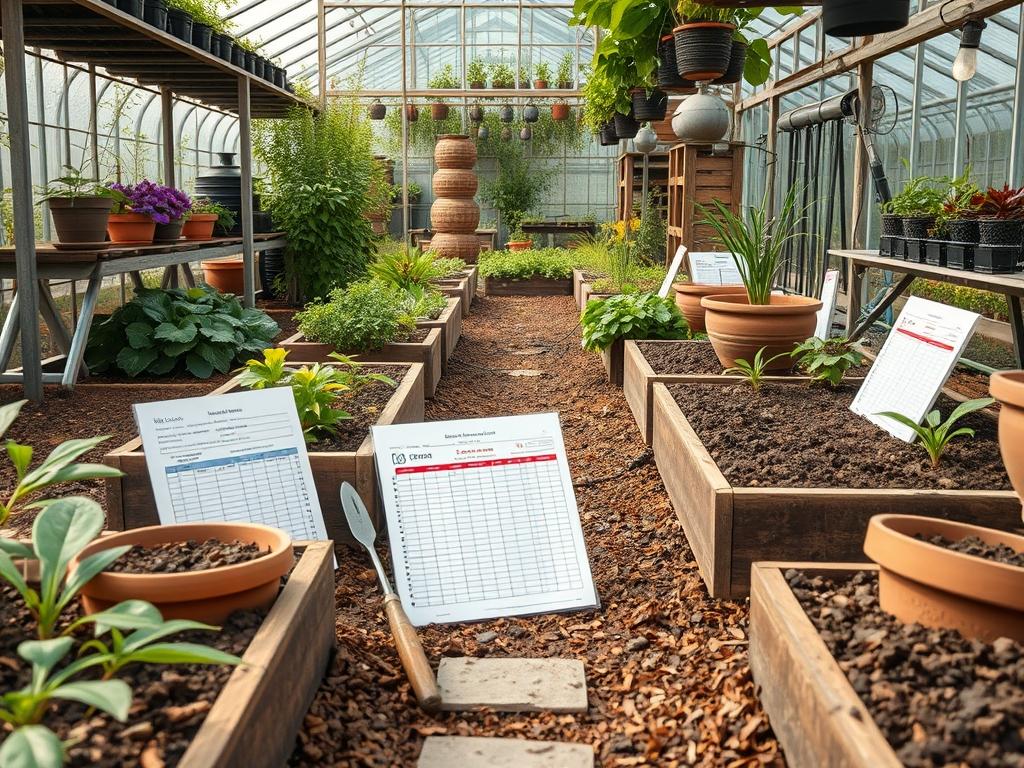
Effective landscape architecture is a marriage of aesthetic vision and biological management. While a primary goal is often enhancing curb appeal or creating functional outdoor living spaces, the long-term success of any design depends on the health of the living elements. A significant challenge for homeowners and professionals alike is the sudden onset of plant stress, which frequently stems from unnoticed insect activity. Climate transitions and fluctuating humidity levels create ideal conditions for various infestations that can decimate high-value installations. To protect these investments, Garden Pest Monitoring Logs serve as the central nervous system of any maintenance plan. By systematically tracking observations, a property owner moves from reactive crisis management to proactive environmental stewardship. This data-driven approach ensures that the visual balance and structural integrity of the landscape remain uncompromised throughout the growing season.
Landscape Design Principles
Successful garden planning requires more than just placing plants in the soil. It begins with fundamental principles such as symmetry and focal points, which guide the eye and create a sense of order. When designing a yard, I focus on elevation layers to provide depth. This involves placing taller specimens like Upright European Hornbeam or Thuja Green Giant at the perimeter to establish a backdrop, while layering down to mid-sized shrubs and groundcovers. This vertical diversity is not just for show; it facilitates better airflow, which is a critical factor in pest prevention. Poorly spaced plants create stagnant pockets of air where humidity thrives, attracting fungal gnats and scale insects.
Visual balance is achieved through the repetitive use of textures and colors, but irrigation planning must be integrated into this visual map. Grouping plants with similar water needs, a practice known as hydro-zoning, prevents the over-saturated conditions that lead to root rot and fungus. Walkways and hardscaping elements like Natural Flagstone or Pea Gravel should be strategically placed to allow easy access for inspection. If you cannot easily reach the backside of a hedge, you cannot monitor it effectively. Garden Pest Monitoring Logs rely on this accessibility. A well-designed landscape includes clear paths that allow the curator to walk the grounds and document changes in plant vigor without trampling the delicate root zones of the flora.
Plant and Material Selection
Selecting the right materials and biological components is the most critical phase of landscape architecture. The following table highlights common selections that balance aesthetic value with hardiness, though even these resilient species require active monitoring.
| Plant Type | Sun Exposure | Soil Needs | Water Demand | Growth Speed | Maintenance Level |
| :— | :— | :— | :— | :— | :— |
| Lavandula angustifolia | Full Sun | Well-drained, Sandy | Low | Moderate | Medium |
| Buxus microphylla | Full to Partial Sun | Loamy, Neutral pH | Moderate | Slow | Low |
| Hydrangea macrophylla | Partial Shade | Rich, Moist | High | Fast | High |
| Sedum ‘Autumn Joy’ | Full Sun | Poor to Average | Very Low | Moderate | Very Low |
| Echinacea purpurea | Full Sun | Versatile | Low | Fast | Low |
Materials like Hardwood Mulch, Steel Edging, and River Rock also play a role in the health of these plants. For instance, a 3 inch layer of mulch suppresses weeds but, if piled too high against a trunk, creates a highway for boring insects. Using Garden Pest Monitoring Logs helps you track whether specific mulch types are harboring unwanted pests near your Boxwoods or Hydrangeas.
Implementation Strategy
The transition from a design on paper to a physical environment requires a disciplined implementation strategy. The process begins with grading. Proper site grading ensures that water moves away from building foundations and does not pool in planting beds. Once the land is shaped, the installation of a French Drain or a dry creek bed using River Rock may be necessary to manage heavy runoff. After the infrastructure is set, edging creates a crisp boundary between turf and garden, preventing invasive grass roots from competing with your ornamental specimens.
When planting, the depth of the hole should be no deeper than the root ball, but twice as wide. This encourages outward root expansion. After the plants are set, applying a consistent depth of Hardwood Mulch is vital for moisture retention. However, this is also where your monitoring starts. A Garden Pest Monitoring Log should be initiated on the day of installation. Record the baseline health of every Acer palmatum or Taxus baccata you plant. Note the date, the weather conditions during planting, and any initial signs of transport stress. If a plant begins to yellow two weeks later, your log will help you determine if the issue is transplant shock, an irrigation failure, or a pest that arrived on the nursery stock. This level of detail is what separates a professional landscape from a DIY project that fails within the first year.
Common Landscaping Failures
Many high-end landscapes fail due to predictable oversights. Drainage mistakes are at the top of the list. When water sits in the root zone for more than 24 hours, it suffocates the roots, creating a stressed plant that emits chemical signals to attract pests like bark beetles. Soil compaction is another silent killer. During construction, heavy machinery often packs the earth so tightly that roots cannot penetrate and oxygen cannot reach the soil microbes. Using a Broadfork or Aerator before planting can mitigate this, but many skip this step.
Improper spacing is a frequent aesthetic choice that leads to biological failure. While a “full” look is desired immediately, planting Buxus or Ilex too close together prevents sunlight from reaching the interior branches. This leads to interior thinning and creates a dark, moist environment where spider mites thrive. Irrigation inefficiencies, such as misaligned sprinkler heads that spray foliage instead of the root zone, also contribute to powdery mildew and leaf spot. By using Garden Pest Monitoring Logs, you can identify patterns. If the same row of Rosemary consistently shows signs of distress, the log might reveal that the irrigation zone for that area is running too long, a detail often missed during a quick visual walk-through.
Seasonal Maintenance
Landscape management is a year-round commitment that shifts with the seasons. In the spring, the focus is on awakening the garden. This involves removing winter debris, refreshing mulch to a depth of 3 inches, and performing structural pruning with sharp Bypass Pruners. This is a peak time for your monitoring log, as many pests emerge from dormancy as soon as the ground warms. Early detection of aphids on new growth can be the difference between a simple spray of water and a total loss of the season’s blooms.
Summer maintenance centers on water management and deadheading. As temperatures rise, monitoring logs should note any wilting that does not recover by evening, which may indicate root-knot nematodes or simple heat stress. In autumn, the strategy shifts to sanitation. Removing fallen leaves from the base of fruit trees prevents pests from overwintering in the soil. Finally, winter is the time for dormant oil applications on woody ornamentals. Reviewing your Garden Pest Monitoring Logs from the previous three seasons during the winter months allows you to identify recurring “hot spots” in your yard. If your Japanese Maples had scale issues every July for two years, you can plan a preventative treatment for the following June.
Professional Landscaping FAQ
How often should I update my Garden Pest Monitoring Logs?
You should inspect your plants and update the log at least once a week during the growing season. In periods of high heat or extreme humidity, a bi-weekly check is more effective for catching fast-moving infestations like spider mites.
What are the most important things to record in the log?
Note the date, the specific plant species, the location in the yard, and a description of the damage. Include the weather conditions from the previous week, as temperature and rainfall significantly influence pest population spikes and plant vulnerability.
Does mulch depth really impact pest populations?
Yes. A depth of 2 to 3 inches is ideal. Deeper mulch can trap excessive moisture against the bark, leading to fungal rot and providing a protected habitat for earwigs, slugs, and wood-boring insects to attack the plant base.
How can I tell the difference between a pest and a nutrient deficiency?
Pest damage is often localized or asymmetrical, such as chewed leaf edges or stippling. Nutrient deficiencies usually appear as uniform discoloration across the entire leaf or the whole plant, such as yellowing between the veins of the foliage.
What is the best tool for an initial pest inspection?
A 10x Magnifying Hand Lens is essential. Many common pests, such as thrips and mites, are nearly invisible to the naked eye. Shaking a branch over a piece of white paper can also help you see what falls off.