
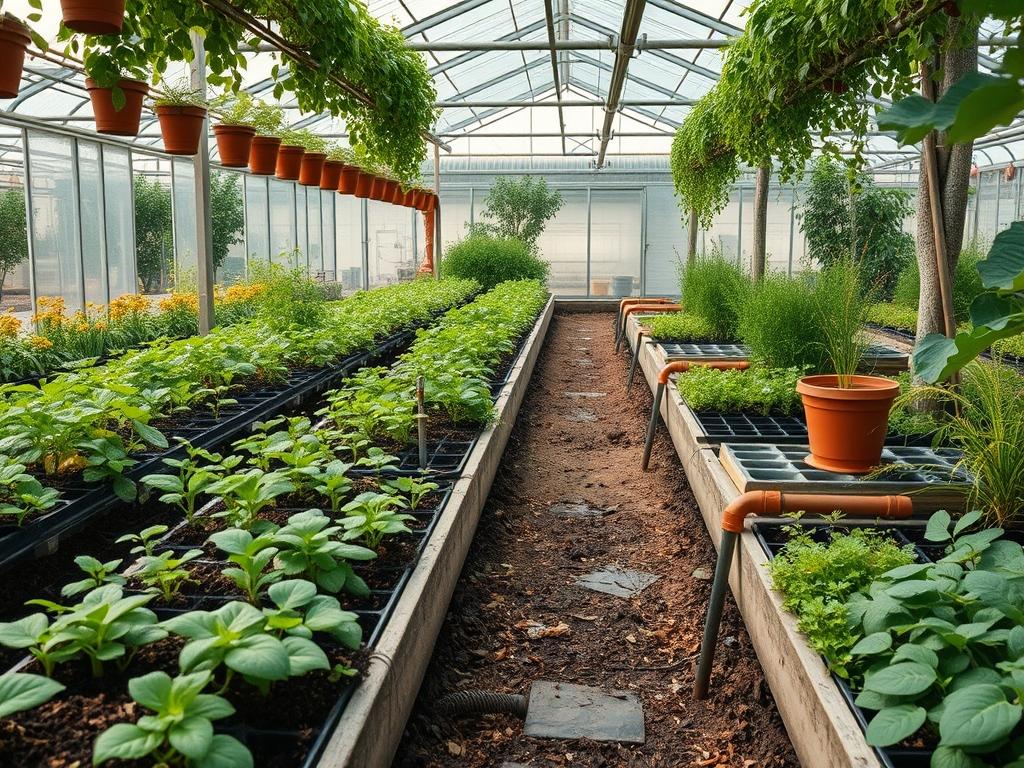
Integrating high-performance hydroponic systems into a professional landscape design presents a unique intersection of structural engineering and horticultural science. While traditional ornamental gardens rely on soil health and seasonal rotation, the introduction of a hydroponic installation demands a sophisticated approach to site planning, drainage, and aesthetic symmetry. The primary challenge involves creating a seamless transition between the natural terrain and the industrial clean lines of a hydroponic setup. From a curb appeal perspective, a poorly maintained or pest-infested system can quickly become a visual and olfactory liability. Strategic placement near the primary residence or within a dedicated garden pavilion requires meticulous attention to Hydroponic System Cleaning to ensure the environment remains pristine. As a landscape architect, I view these systems not merely as crop producers but as dynamic water features that must be integrated with the broader outdoor functionality goals. This requires a deep understanding of climate considerations, particularly how ambient humidity and temperature fluctuations influence pest populations within the nutrient reservoir and the surrounding foliage.
When we design an outdoor environment that incorporates soilless cultivation, the layout must facilitate easy access for maintenance while hiding the necessary mechanical components. A well-planned site will use Retaining Walls and Hardscaping to level the ground, ensuring that the heavy weight of water-filled tanks is distributed evenly over a 4-inch Gravel Base or a Poured Concrete Pad. By treating the hydroponic unit as a focal point, we can surround it with native perennials and structural shrubbery that mask the plumbing and electrical conduits. This holistic approach ensures that the functional necessity of the system does not detract from the architectural integrity of the landscape.
Landscape Design Principles
Successful integration of a hydroponic system depends on six core design principles that prioritize both form and function. Symmetry is the first priority; placing a vertical grow tower or an A-frame system along a central axis can create a compelling visual anchor in a modern garden. We often use the Rule of Thirds to position these systems so they do not overwhelm the space but instead guide the eye toward other landscape features like Flagstone Walkways or decorative Water Features.
Focal points are essential in and around the hydroponic zone. By using high-quality materials like Powder-Coated Aluminum or Western Red Cedar for the system housing, the unit becomes an architectural statement. Elevation layers allow us to stack the visual interest. For instance, low-growing groundcovers like Creeping Thyme might lead up to the mid-level hydroponic trays, while taller Lattice Frameworks provide a backdrop for climbing vines. Irrigation planning is perhaps the most critical principle here. Even though the hydroponic system is self-contained, it must be near a high-pressure Outdoor Faucet and a dedicated drainage port. This ensures that when you perform a deep Hydroponic System Cleaning, the effluent can be directed toward non-edible ornamental beds through a Perforated Drain Pipe rather than pooling on your patio. Visual balance is achieved by mirroring the height of the hydroponic equipment with similarly scaled plantings or structural elements on the opposite side of the yard, creating a sense of permanence and intentionality.
Plant and Material Selection
| Plant Type | Sun Exposure | Soil Needs | Water Demand | Growth Speed | Maintenance Level |
| :— | :— | :— | :— | :— | :— |
| Genovese Basil | Full Sun | None (Hydro) | High | Fast | Medium |
| Butterhead Lettuce | Partial Shade | None (Hydro) | Moderate | Fast | Low |
| English Boxwood | Full/Part Sun | Well-Drained | Moderate | Slow | Low |
| Lavender | Full Sun | Sandy/Rocky | Low | Moderate | Low |
| Dwarf Citrus | Full Sun | Loamy/Acidic | Medium | Moderate | High |
| Pachysandra | Full Shade | Rich/Moist | Moderate | Moderate | Very Low |
The selection of materials is just as vital as the plants themselves. For the hardscape surrounding the system, use Non-Porous Pavers to prevent nutrient-rich overflow from staining the surface. Within the system, utilize Food-Grade PVC or High-Density Polyethylene to prevent chemical leaching. For cleaning and pest management, always keep a supply of 3% Hydrogen Peroxide, Neem Oil, and Citric Acid on hand to maintain a sterile environment.
Implementation Strategy
The transition from a design blueprint to a functional backyard layout requires a phased implementation strategy. First, address the grading. The site for the hydroponic system must be perfectly level to ensure even nutrient distribution. Use a Transit Level to check the grade before installing a Geo-Textile Fabric barrier, which prevents weeds from compromising the structure. Once the foundation is set, install the Edging using Steel or Poly Borders to define the hydro-zone from the rest of the lawn.
The drainage system should be installed before the tanks are filled. A French Drain lined with 1-inch River Rock is an excellent way to manage runoff from the cleaning cycle. When the physical structure is in place, the mulch depth around the perimeter should be maintained at a consistent 3 inches. This serves two purposes: it retains soil moisture for the surrounding ornamental plants and acts as a barrier for crawling pests that might attempt to infiltrate the hydroponic reservoirs. The final step of the layout is the installation of the system itself, ensuring that all Pumps and Emitters are accessible for the monthly Hydroponic System Cleaning routine. This accessibility is the difference between a thriving garden and a stagnant, pest-prone eye-sore.
Common Landscaping Failures
The most frequent failure in combined soil and hydro-landscapes is poor drainage. If the area surrounding the hydroponic unit becomes saturated, it creates a breeding ground for fungus gnats and shore flies. These pests can easily migrate into the hydroponic growing medium, leading to massive crop loss. Another common error is root overcrowding. In the hydroponic system, this happens when the Net Pots are too small for the species; in the landscape, it occurs when large trees are planted too close to the hydroponic plumbing, leading to root intrusion into the PVC pipes.
Improper spacing of the units can also obstruct airflow, which is a major contributor to powdery mildew outbreaks. For outdoor systems, you must allow at least 36 inches of clearance on all sides. Soil compaction in the paths leading to the system can also be an issue, as frequent foot traffic during maintenance kills the micro-biology of the soil. This is why a firm Crushed Stone Path or Stepping Stones are mandatory. Finally, irrigation inefficiencies occur when the landscape’s automatic sprinklers spray directly into the hydroponic reservoir, causing nutrient dilution and potential chemical contamination.
Seasonal Maintenance
Seasonal management is the hallmark of a professional landscape. During the spring, focus on the initial system startup. Perform a deep Hydroponic System Cleaning using a 10% Bleach Solution to kill any pathogens that overwintered in the lines. This is also the time to apply a pre-emergent herbicide to the surrounding mulch beds to prevent weed competition.
Summer maintenance is dominated by pest control and hydration. Check the pH Level daily, as high temperatures cause water to evaporate quickly, concentrating the nutrients and stressing the plants. Use Yellow Sticky Traps to monitor for winged pests. If an infestation occurs, a thorough cleaning of the reservoir and a swap of the Nutrient Solution are required to break the pest life cycle.
Autumn is the season for decommissioning or transitioning the outdoor system. As the temperatures drop, remove all organic debris from the area. Leaf litter acts as a haven for pests like spider mites. If the system is staying active, install Submersible Heaters to keep the water temperature above 65 degrees Fahrenheit.
In winter, if the system is not in use, it must be fully drained and sterilized. Use a Plumber’s Snake or a high-pressure Air Compressor to clear the lines of any biofilm or mineral deposits. Store sensitive electronics like pH Controllers and Submersible Pumps indoors. For the surrounding landscape, apply a fresh layer of Bark Mulch to protect the roots of your ornamental perennials from the freeze-thaw cycle.
Professional Landscaping FAQ
How often should I clean my hydroponic reservoir?
You should perform a full reservoir change and cleaning every 14 days. This prevent nutrient salt buildup and reduces the risk of algae growth, which attracts pests like fungus gnats and decreases the oxygen levels available to the plant roots.
Will the cleaning chemicals harm my surrounding lawn plants?
If you use Hydrogen Peroxide or Citric Acid, the impact is minimal when diluted. However, concentrated Bleach or strong acids should be diverted into a dedicated Drainage Pit or bucket to avoid altering the soil pH of your ornamental landscape.
Can I use native plants near my hydroponic installation?
Yes, native plants are encouraged. Species like Coneflower or Milkweed can attract beneficial insects that prey on the pests commonly found in hydroponic systems. Ensure they are placed at least 3 feet away to maintain clear maintenance access.
What is the best way to hide a hydroponic system?
Use Trellises or Living Walls featuring Star Jasmine or English Ivy. These provide a biological screen that blends the industrial system into the natural landscape without restricting the airflow necessary for preventing mold and pest infestations.
Does mulch depth affect pest control in hydroponics?
A consistent 3-inch layer of Cedar Mulch acts as a natural repellent for many crawling insects. It also prevents soil from splashing into your reservoir during heavy rain, which is a common source of soil-borne pathogens and pests.