
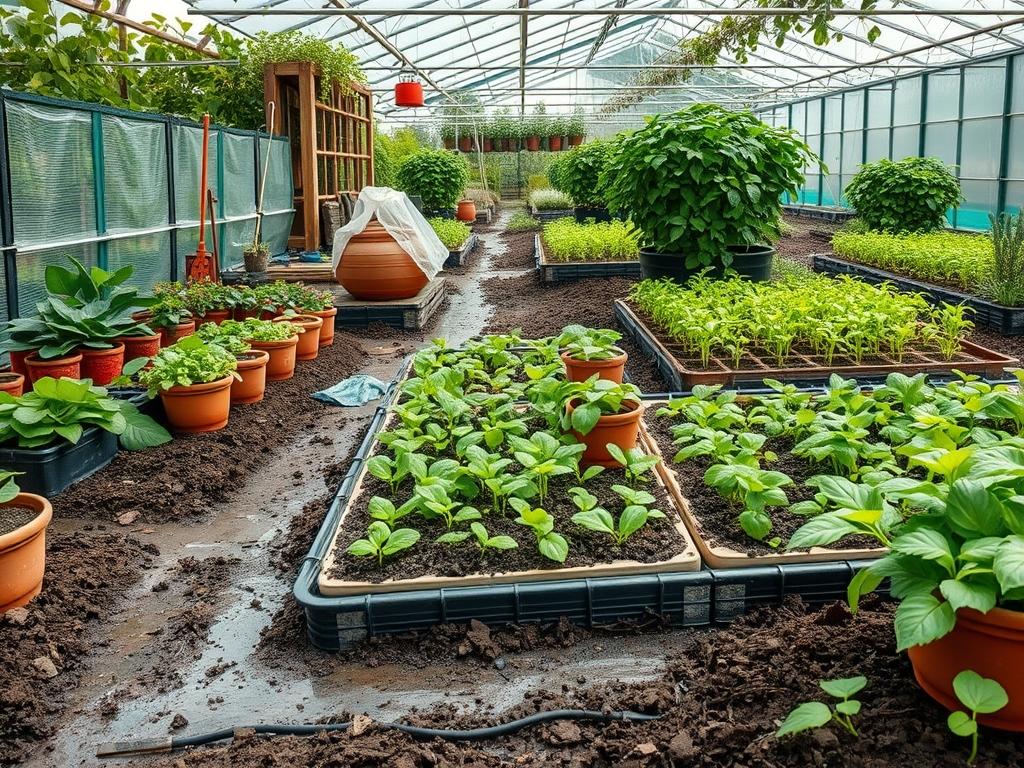
Professional landscaping represents a delicate balance between artistic vision and biological necessity. Achieving high curb appeal while maintaining outdoor functionality requires more than just aesthetic sensibility; it demands a deep understanding of the plant lifecycle from the moment a seed germinates in a controlled environment. For a landscape architect, the propagation phase is the origin of every successful install. If the foundation of the nursery is contaminated, the entire project faces significant risks. Sterilizing Propagation Mats and trays becomes a critical maintenance task that protects the financial investment of the homeowner. By integrating professional grade sterilization protocols into the broader landscape management plan, we ensure that the native plants and ornamental species introduced to the site are resilient and free from soil borne pathogens.
The design of a modern landscape often incorporates a “back of house” zone where propagation, potting, and equipment storage occur. This area must be as carefully planned as the front driveway or the primary outdoor living space. Proper drainage and a stable grade are essential for these utility zones to prevent the accumulation of water, which can become a breeding ground for fungi and bacteria. When we consider the climate of the region, we must account for how moisture levels impact the cleanliness of our equipment. High humidity environments require more frequent sterilization of plastic seedling trays and heat mats to prevent the spread of damping off, a condition that can ruin thousands of dollars in plant material before it ever reaches the final planting bed.
Landscape Design Principles
A successful landscape design relies on the core principles of symmetry, focal points, and elevation layers. When planning the layout of a property, the architect looks for ways to guide the eye through the space using walkways and retaining walls. Symmetry provides a sense of formal elegance, often achieved through paired columns of Buxus sempervirens or identical planter boxes flanking an entryway. Focal points, such as a large specimen tree or a custom water feature, provide a destination for the eye and help define the purpose of specific garden rooms.
Elevation layers are equally important. By using retaining walls or raised terraces, an architect can create visual interest on a flat lot or manage the challenges of a steep slope. These layers also serve a functional purpose; they allow for better control over soil quality and irrigation efficiency. Irrigation planning must be precise, ensuring that water reaches the root zones of plants without oversaturating the foliage, which can lead to disease. Furthermore, the integration of hardscaping like natural stone pavers and gravel paths ensures that the landscape remains accessible and functional throughout the year, even during heavy rain cycles. Visual balance is achieved when the weight of the hardscape elements, such as boulders and pergolas, is countered by the soft textures of ornamental grasses and flowering perennials.
Plant and Material Selection
Selecting the right plants and materials is the most critical technical phase of the project. The table below outlines several common species used in professional landscape designs and their specific requirements.
| Plant Type | Sun Exposure | Soil Needs | Water Demand | Growth Speed | Maintenance Level |
| :— | :— | :— | :— | :— | :— |
| Quercus virginiana | Full Sun | Deep, Loamy | Moderate | Medium | Low |
| Lavandula angustifolia | Full Sun | Well Drained, Sandy | Low | Medium | Moderate |
| Hydrangea macrophylla | Part Shade | Rich, Moist | High | Fast | High |
| Miscanthus sinensis | Full Sun | Adaptable | Low | Fast | Low |
| Acer palmatum | Dappled Shade | Slightly Acidic | Moderate | Slow | Moderate |
| Ilex glabra | Full Sun to Part Shade | Acidic, Moist | Moderate | Medium | Low |
For the hardscape, materials like basalt pavers, decomposed granite, and pressure treated lumber are chosen for their durability and aesthetic fit within the local environment. When selecting a mulch, landscape architects often prefer shredded cedar or pine bark for their ability to suppress weeds and retain soil moisture while eventually breaking down to improve soil structure.
Implementation Strategy
The implementation of a professional landscape begins with site preparation and grading. Proper grading ensures that water flows away from the home foundation and toward designated drainage basins or swales. Once the grade is established, designers use landscape staples and geotextile fabric to stabilize the soil and prepare for the installation of hardscape elements. Edging is then installed to create clean lines between the turfgrass and the planting beds, using materials such as powder coated steel or composite benders.
Integrating a propagation area requires a specialized approach. The site should have a level foundation of crushed limestone or a concrete pad to support potting benches and propagation mats. When Sterilizing Propagation Mats, the architect recommends a dedicated cleaning station equipped with utility sinks and access to 70 percent isopropyl alcohol or a 10 percent bleach solution. Trays are first scrubbed with a stiff nylon brush to remove organic debris and then submerged in the sanitizing solution for at least ten minutes. The mats, which contain sensitive heating elements, must be unplugged and wiped down with a disinfectant wipe or a cloth dampened with a cleaning agent. This ensures that the next cycle of plant growth starts in a sterile environment, preventing the transfer of pathogens from the nursery to the ornamental beds.
Common Landscaping Failures
The most frequent failures in landscaping often stem from poor planning and a lack of attention to biological protocols. Drainage mistakes are the most common; failing to account for the volume of runoff can lead to soil erosion and the death of expensive specimens from root rot. Root overcrowding is another issue that arises when ornamental shrubs are planted too close together or too close to the foundation of a building. Without proper spacing, plants compete for nutrients and airflow is restricted, leading to powdery mildew and insect infestations.
Soil compaction is an often overlooked failure that occurs during the construction phase. Heavy machinery can compress the soil so tightly that roots cannot penetrate and water cannot infiltrate. This leads to irrigation inefficiencies where water pools on the surface instead of reaching the plants. Finally, a failure to maintain sanitation in the propagation zone can introduce pathogens like Fusarium into the entire garden. Sterilizing Propagation Mats and cleaning all garden trowels and pruning shears is a foundational task that, if ignored, can result in the loss of high value plants and the degradation of the landscape’s overall health.
Seasonal Maintenance
Seasonal maintenance is what keeps a landscape looking professional year after year. In the spring, the focus is on mulch renewal, pruning of winter damaged wood, and the application of a pre-emergent herbicide. This is also the time for Sterilizing Propagation Mats and trays as the new growing season begins. All equipment should be inspected for wear and disinfected thoroughly before being used for new seedlings.
Summer maintenance involves monitoring irrigation systems to ensure they are functioning correctly during the heat. Weeding remains a priority, and deadheading of flowers encourages continued blooming. Autumn is the season for planting spring flowering bulbs and applying a slow release fertilizer to help perennial plants prepare for dormancy. This is also a good time to clear out fallen leaves that can smother the lawn or hide pests. Winter is focused on “hard” maintenance; sharpening mower blades, cleaning spray equipment, and protecting sensitive plants from frost using burlap wraps or frost blankets.
Professional Landscaping FAQ
What is the best way to disinfect propagation mats?
Always unplug the mats before cleaning. Use a microfiber cloth dipped in a 70 percent isopropyl alcohol solution to wipe the entire surface. Avoid submerging electrical components in water. Ensure the mats are completely dry before reconnecting the power.
How often should seedling trays be sterilized?
You should sterilize trays after every single use. Even if the previous plants appeared healthy, microscopic spores can linger in the polypropylene plastic pores. Cleaning between cycles prevents the buildup of harmful pathogens that cause damping off.
Why is drainage important for propagation areas?
Standing water creates a high humidity environment that encourages fungal growth. Proper grading and the use of coarse gravel beneath the benches allow excess water to drain away, keeping the propagation environment clean and reducing disease risk.
What solution is best for cleaning garden tools?
A solution of nine parts water to one part bleach is highly effective for heavy duty cleaning. For quick field use, isopropyl alcohol wipes or a spray bottle of alcohol works well to prevent cross contamination between different plant species.
Can I use soap and water for sterilization?
Soap and water are excellent for removing physical dirt and organic matter. However, they do not kill all plant pathogens. Use soap for a preliminary scrub, followed by a chemical disinfectant to ensure the equipment is truly sterile.