
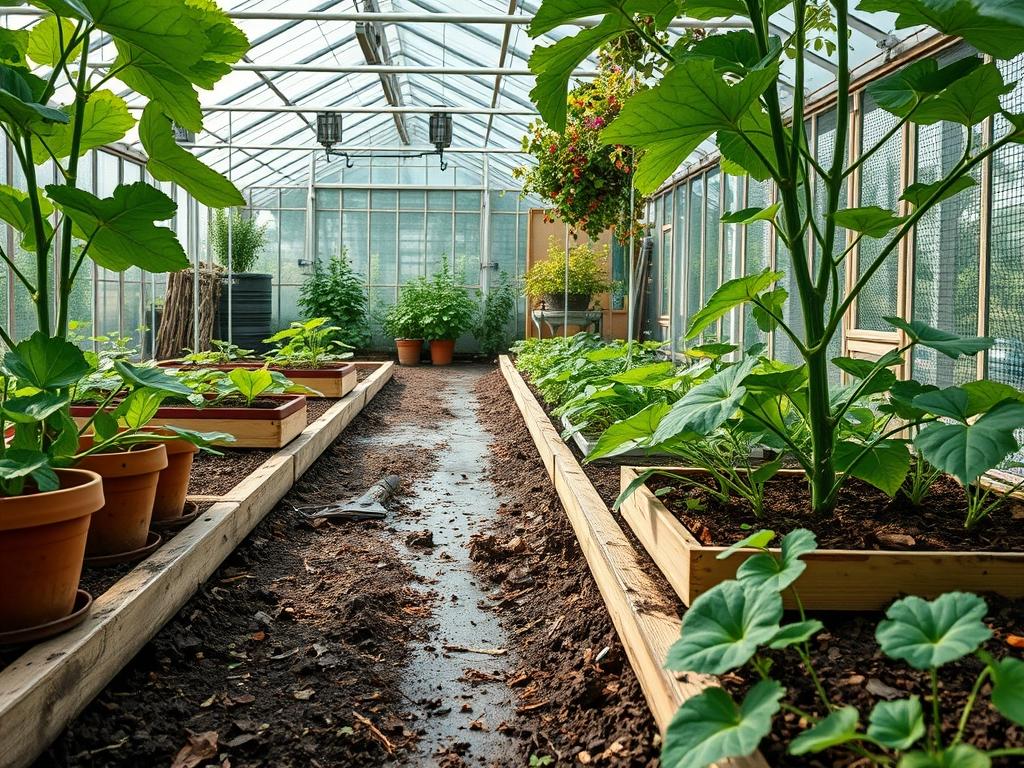
The sudden wilt of a Cucurbita maxima in a meticulously designed parterre garden is more than a horticultural setback; it is a structural failure of the visual landscape. When the lush, broad leaves of a squash plant collapse, the symmetry and vibrancy of the outdoor space suffer immediate damage. Squash vine borers act with surgical precision. They infiltrate the main stem near the soil line and sever the vascular system that delivers water and nutrients to the foliage. For the professional landscape architect, maintaining the integrity of an edible landscape requires an integrated approach that blends aesthetics with aggressive pest management. Successful restoration begins with a landscape layout that prioritizes air circulation and soil health while deploying specific Squash Vine Borer Cures to save the season.
The presence of the clearwing moth, which lays the eggs of the borer, often peaks in midsummer when gardens are at their peak aesthetic value. If a designer fails to account for this lifecycle, a primary focal point of the backyard can turn into a patch of decaying matter within days. Curb appeal relies on the consistency of the greenery. A gap in the vine structure created by a borer infestation disrupts the flow of the garden beds and can even impact the functionality of outdoor living spaces by attracting secondary scavengers. Addressing this threat requires a combination of mechanical intervention, biological controls, and strategic landscape modifications to ensure the garden remains a productive and beautiful environment.
Landscape Design Principles
Effective garden planning integrates functionality with visual appeal. To combat the squash vine borer, designers must emphasize verticality and elevation. Utilizing trellises and arbors allows vines to grow upward, making it easier to monitor the stems for the telltale signs of borer entry, which usually manifests as sawdust-like frass. By lifting the plants off the ground, the landscape architect creates a cleaner visual line and improves airflow, which can discourage the adult moths from settling on the stems. Furthermore, creating clear walkways using crushed granite or pea gravel ensures that gardeners have easy access to the base of each plant for routine inspections without compacting the surrounding soil.
Symmetry is another critical principle. In a structured landscape, edible plants are often used as focal points within geometric borders. If one plant fails, the entire balance is lost. To mitigate this risk, designers should implement a layered planting strategy. By using retaining walls made of natural limestone or pressure-treated timber, you can create distinct elevation levels. High-traffic areas should be separated from the squash patch by elegant landscape edging to prevent the spread of soil-borne larvae. This structural separation helps contain pest outbreaks and allows for more intensive soil treatments in specific zones without affecting the rest of the ornamental landscape.
Plant and Material Selection
Selecting the right materials and plant varieties is the foundation of any successful landscape project. When planning for a squash-heavy garden, durability and resistance are the primary selection criteria.
| Plant or Material Type | Sun Exposure | Soil Needs | Water Demand | Growth Speed | Maintenance Level |
| :— | :— | :— | :— | :— | :— |
| Butternut Squash | Full Sun | Well-drained, Rich | Moderate | Fast | Low (Resistant) |
| Tromboncino Squash | Full Sun | Loamy, High Organic | High | Very Fast | Medium (Vigorous) |
| Zucchini (Black Beauty) | Full Sun | Fertile, 6.5 pH | Consistent | Moderate | High (Susceptible) |
| Floating Row Covers | N/A | UV-Stabilized Mesh | N/A | N/A | Seasonal Installation |
| Yellow Sticky Traps | N/A | N/A | N/A | N/A | Weekly Replacement |
| Aluminum Foil | N/A | N/A | N/A | N/A | Permanent for Season |
Implementation Strategy
The planning phase of a backyard layout must account for the physical requirements of Squash Vine Borer Cures. Start with proper grading to ensure that water does not pool at the base of the squash plants, as excess moisture can lead to stem rot, which mimics borer damage. Once the site is graded, install a high-quality geotextile fabric beneath walkways to prevent weed growth and provide a stable surface for maintenance. Edging should be installed at a depth of at least 4 inches to discourage larvae from migrating through the topsoil layers.
When planting, wrap the base of the stems with heavy-duty aluminum foil extending 2 inches below the soil line and 4 inches above it. This physical barrier prevents the adult moth from laying eggs on the most vulnerable part of the plant. For existing infestations, mechanical surgery is a primary cure. Use a sterile utility knife to make a vertical slit in the stem, locate the white larva, and remove it. Once the pest is extracted, bury the damaged section of the vine under 3 inches of fresh organic mulch or soil to encourage the growth of adventitious roots. This technique restores the vascular connection and can save a plant that would otherwise perish.
Biological intervention should also be scheduled. Injecting the stems with Bacillus thuringiensis (Bt) using a large-gauge syringe is a highly effective curative measure. This method targets the larvae inside the stem without harming beneficial pollinators visiting the flowers. In the wider landscape, ensure that irrigation systems are set to deliver water directly to the root zone via drip emitters, keeping the leaves and stems dry to prevent fungal issues that can weaken the plant and make it more attractive to pests.
Common Landscaping Failures
One of the most frequent mistakes in garden planning is overcrowding. When native cultivars and vegetables are packed too tightly to achieve an immediate lush look, air circulation drops and pest populations explode. Root overcrowding also leads to competition for nutrients, leaving the squash plants too weak to recover from a borer attack. Proper spacing, usually 24 to 36 inches between plants, is essential for a healthy landscape.
Another failure is the misuse of mulch. While a thick layer of wood chips is excellent for moisture retention in ornamental beds, applying it too close to the stems of squash plants provides a hiding spot for pests. Similarly, poor drainage caused by soil compaction can lead to root suffixation. In professional landscaping, we use soil aerators to ensure that the earth remains porous. If the soil is too dense, the larvae of the squash vine borer can easily overwinter, leading to a recurring cycle of destruction each spring. Finally, relying solely on overhead sprinklers can wash away topical Organic Neem Oil treatments, rendering your preventative measures useless.
Seasonal Maintenance
Landscape management is a year-round commitment. In the spring, the focus is on prevention. Before planting, incorporate beneficial nematodes into the soil to hunt down any surviving pupae from the previous year. Install floating row covers over young plants as soon as they are transplanted into the garden. These covers must be secured with landscape staples to prevent the moths from entering.
During the summer, the priority shifts to monitoring and active Squash Vine Borer Cures. Check the stems daily for frass. If a borer is found, perform the surgery and mound soil over the joints to promote new root growth. This is also the time to apply diatomaceous earth around the base of the plants, though this must be reapplied after heavy rains.
When autumn arrives, the cleanup begins. Remove all spent vines immediately; do not compost them if they were infested. Tilling the soil to a depth of 6 inches exposes any remaining cocoons to the winter elements and predators. This is a critical step in a professional maintenance plan to ensure the landscape is clean for the following year. In winter, focus on hardscape repairs. Adjust retaining walls and clean decorative garden ornaments to prepare for a fresh start in the spring.
Professional Landscaping FAQ
How do I identify a squash vine borer?
Look for sudden wilting of the leaves during the day and small holes at the base of the stem. These holes are usually surrounded by a sawdust-like material called frass, which indicates the larva is feeding inside the plant tissue.
Can I use chemicals in an edible landscape?
It is best to use organic options like Bacillus thuringiensis or Neem oil in vegetable zones. These products effectively target the pest while maintaining the safety and health of the surrounding environment and the food you intend to harvest.
What is the best way to prevent borers?
The most effective prevention is a combination of floating row covers and wrapping the stems in aluminum foil. These physical barriers stop the adult moth from laying eggs, which prevents the infestation from ever starting in your landscape.
Why does my squash plant die even after I remove the borer?
If the internal damage to the stem is too extensive, the plant cannot transport water. To improve survival, you must bury the wounded stem under 3 inches of moist soil to encourage new roots to form above the damaged area.
Which squash varieties are most resistant?
Butternut squash and other Cucurbita moschata species have solid, woody stems that are much harder for the borers to penetrate. If you have chronic pest issues, switching to these varieties will significantly improve the success rate of your garden.