
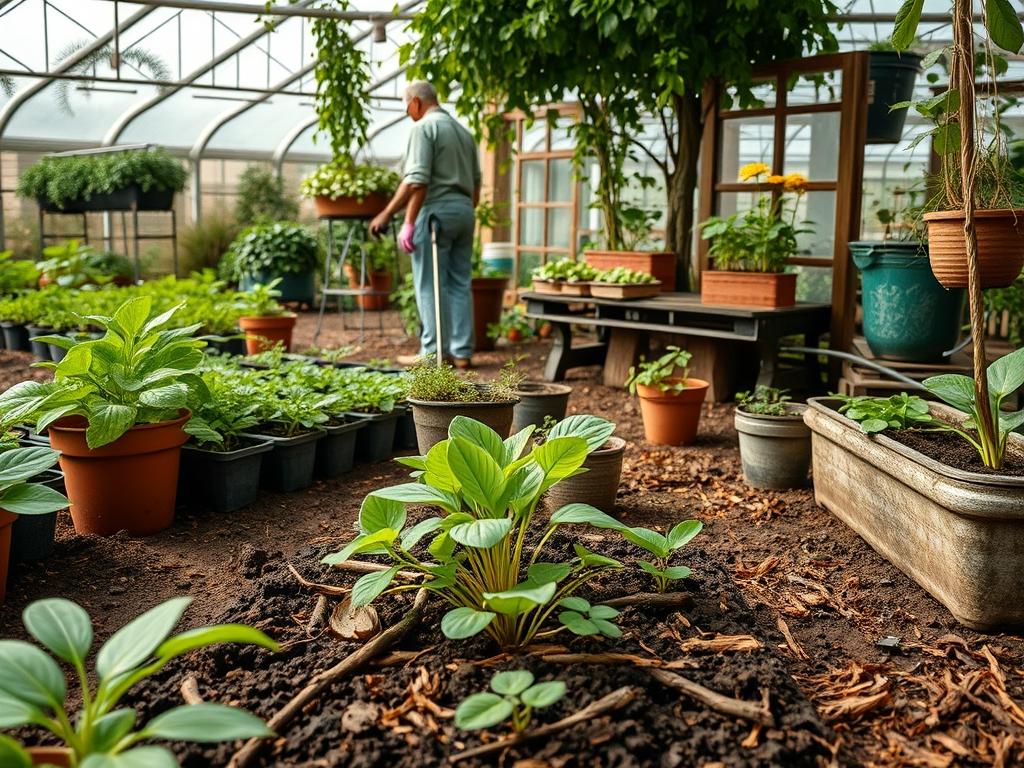
Developing a cohesive outdoor environment requires a delicate balance between aesthetic ambition and biological management. Homeowners often view the garden as a purely visual or recreational space, yet it functions as a complex ecosystem where every choice in hardscaping or softscaping influences the local insect population. One of the most persistent challenges in residential design is the presence of Tapinoma sessile, commonly known as the odorous house ant. These insects are attracted to the very features that create curb appeal: lush foliage, consistent moisture, and protective ground covers. As a landscape architect, my goal is to design a site that minimizes pest pressure while maximizing functionality. Effective Odorous House Ant Tips start with understanding that these foragers are primarily seeking sugar sources, like honeydew from aphids, and stable nesting sites provided by excessive organic mulch. By integrating proper grading, strategic plant selection, and sophisticated irrigation planning, we can create a landscape that is both beautiful and resilient against structural infestations.
Landscape Design Principles
Successful landscape architecture relies on the mastery of visual balance and spatial organization, yet these principles must also account for the structural integrity of the home. Symmetry and focal points draw the eye, but if a focal point like a fountain or a dense shrub cluster is placed too close to the foundation, it creates a bridge for pests. We utilize elevation layers to create depth; however, each layer must be engineered to shed water away from the building. Proper grading should ensure a slope of at least 1 inch per foot for the first 10 feet away from the home. This prevents the soil saturation that attracts ants looking for nesting sites.
Walkways and pavers serve as the skeletal structure of the garden. While they provide excellent visual lines, the substrate beneath them is critical. Using a compacted crushed stone base rather than loose sand reduces the likelihood of ants tunneling beneath the surface. Visual balance is achieved by mixing textures, but from a maintenance perspective, we must ensure that high-maintenance, high-moisture plants are kept in the “outer zones” of the property. This strategy keeps the immediate perimeter of the home dry and less attractive to foraging scouts. Irrigation planning is the final pillar of a smart design. We prioritize drip irrigation over overhead sprayers because it delivers water directly to the root zone, leaving the surface dry. This minimizes the humidity levels in the mulch layers, which is a key component in reducing colony expansion.
Plant and Material Selection
Selecting the right materials involves more than just picking a color palette. We must choose plants that do not readily support large populations of sap-sucking insects like aphids or scale, as these insects produce the honeydew that fuels odorous house ant colonies.
| Plant Type | Sun Exposure | Soil Needs | Water Demand | Growth Speed | Maintenance Level |
| :— | :— | :— | :— | :— | :— |
| Lavender (Lavandula) | Full Sun | Well-Drained | Low | Medium | Low |
| Rosemary (Salvia rosmarinus) | Full Sun | Sandy/Loam | Low | Medium | Low |
| California Lilac (Ceanothus) | Full Sun | Rocky/Dry | Very Low | Fast | Medium |
| River Birch (Betula nigra) | Full/Partial | Moist/Acidic | High | Fast | High |
| Dwarf Boxwood (Buxus) | Full/Partial | Loam | Moderate | Slow | Medium |
| Blue Fescue (Festuca glauca) | Full Sun | Well-Drained | Low | Moderate | Low |
| Redtwig Dogwood (Cornus alba) | Full/Partial | Wet/Clay | High | Fast | Medium |
When selecting mulch, we recommend cedar chips or pine bark nuggets over finely shredded hardwood. Shredded mulch mats down and retains excessive moisture, creating a perfect incubator for ants. For the immediate 6 to 12 inch perimeter around the foundation, we often specify a “dead zone” of river rock or pea gravel. This break in organic material is one of the top Odorous House Ant Tips for long-term prevention, as it removes the cover they need to reach the siding of the house undetected.
Implementation Strategy
The implementation phase begins with professional grading. We use a skid steer to shape the terrain, ensuring that all runoff is directed toward French drains or bioswales. Once the subgrade is established, we install edging to define the borders between turf and planting beds. Steel edging or poured concrete curbs are superior to plastic because they do not warp, which prevents gaps where ants can hide.
When laying out the garden, the backfill used in planting holes should be a mix of native soil and organic compost, but it must not be overly rich in nitrogen, as this leads to succulent growth that attracts pests. The mulch depth is strictly maintained at 2 to 3 inches. Anything deeper creates an anaerobic environment at the soil level and encourages ants to build satellite nests. For hardscaping, we use polymeric sand between pavers. This material hardens when swept and misted, creating a barrier that prevents weed growth and blocks ant excavations. If the site has significant elevation changes, retaining walls must include weep holes and a gravel backfill for drainage. We often place discrete insecticide baits inside these drainage layers during construction to intercept colonies before they become established.
Common Landscaping Failures
The most frequent error in residential landscapes is “mulch volcanoes,” where mulch is piled high against the trunks of trees or the siding of the house. This practice traps moisture against the structure, leading to rot and providing a direct highway for ants to enter the walls. Another failure is poor drainage management. Water that pools near the foundation due to clogged gutters or stagnant downspouts creates a microclimate that odorous house ants find irresistible.
Root overcrowding is another issue. When competitive plants are spaced too closely, they become stressed and more susceptible to aphid infestations. This increases the honeydew supply, which in turn supports larger ant populations. Soil compaction is a hidden culprit; when soil is packed too tight, water cannot penetrate, leading to localized flooding that drives ants upward and into the home. Finally, irrigation inefficiency, such as broken sprinkler heads that spray directly onto the house siding, is a primary driver of indoor pest problems. A professional landscape requires a “dry transition” zone where no water touches the building envelope.
Seasonal Maintenance
Landscape management is a year-round commitment. In the spring, the focus is on cleanup. Remove any leaf litter that has accumulated against the house over the winter. This debris provides a warm, damp environment for early-season ant activity. Prune your shrubs and tree branches so they are at least 12 inches away from the roofline and siding. This eliminates the “bridges” that ants use to bypass ground-level barriers.
During the summer, monitor your irrigation system. Check for leaks in hoses and ensure that the timers are set to water in the early morning so the surface can dry by midday. If you observe ant trails on retaining walls, this is the time to apply liquid or granular baits in sheltered locations. In autumn, clear out dead annuals and cut back perennials. This reduced biomass means fewer hiding spots for queens seeking overwintering sites. In the winter, inspect the hardscaping for cracks. Use caulk or mortar to seal any openings in stone walls or walkways. Keeping the landscape tidy during the dormant season significantly reduces the population surge you will face when temperatures rise again.
Professional Landscaping FAQ
How can I stop ants from nesting under my patio?
Use polymeric sand in the joints of your pavers. This material hardens to create a bridge-free surface. Ensure the base consists of compacted crushed stone rather than organic soil to discourage tunneling and nest thermal regulation.
Do specific plants actually repel odorous house ants?
While no plant is a total repellent, high-scent herbs like Lavender and Rosemary are less attractive to them. More importantly, avoiding plants like Roses or Tulip Poplars, which frequently host aphids, reduces the ants’ primary food source.
How deep should my mulch be to prevent pests?
Maintain a depth of 2 to 3 inches. Any more than this creates a moist, spongy layer that serves as a perfect nesting medium. Keep all mulch at least 6 inches away from your home’s foundation.
What is the best way to handle drainage for pest control?
Install a French drain or use downspout extensions to move water at least 10 feet from the structure. Ants require high humidity; keeping the perimeter dry is the most effective way to discourage colony establishment near your walls.
Should I use bait stations in my garden?
Yes, place weather-resistant bait stations near hardscape edges or at the base of retaining walls. These mimics the ants’ natural foraging paths. Position them away from irrigation heads to prevent the bait from being washed away or diluted.