
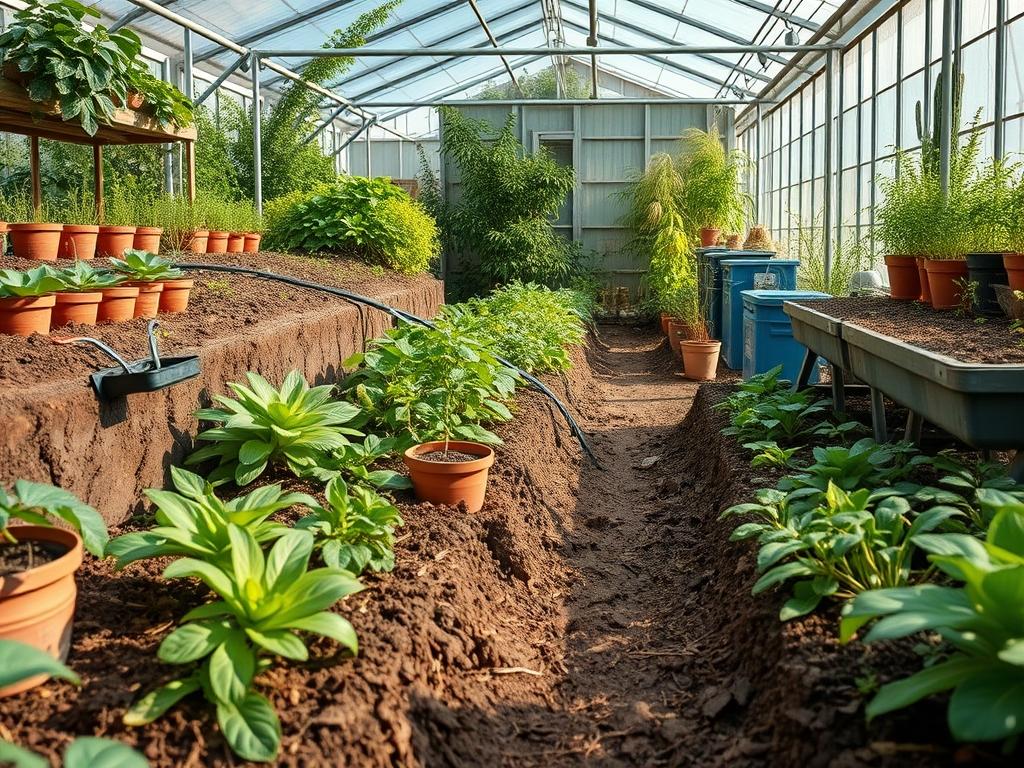
Managing a landscape in regions prone to invasive species requires a sophisticated balance between aesthetic appeal and ecological defense. The Argentine ant represents one of the most significant challenges for homeowners in temperate climates, particularly in coastal areas where moisture levels remains consistent. These ants do not just occupy the soil; they build massive, interconnected super-colonies that can span entire neighborhoods, displacing native fauna and facilitating secondary pest infestations like aphids and scale. Effective Argentine Ant Management starts at the design phase. By prioritizing drainage, selecting specific plant species, and maintaining clear boundaries between the garden and the home, a landscape architect can create a space that is both beautiful and inhospitable to these invasive insects. A well planned yard serves as a primary barrier, protecting the interior of the home while ensuring that the outdoor living environment remains functional for social gatherings and relaxation.
Landscape Design Principles
Successful outdoor environments rely on foundational principles like symmetry and visual balance, yet these must be adapted for pest resilience. When planning the layout, focal points should be positioned away from the foundation of the house. A large stone fountain or a sculptural specimen tree provides a center of interest, but if these features are too close to the structure, they can serve as bridges for ants seeking entry. Symmetry in the garden facilitates easier monitoring. When a hedge or a row of boxwoods is symmetrical, any uneven growth or signs of distress, often caused by ant-tended aphids, become immediately apparent to the eye.
Elevation layers and grading are the most critical technical aspects of the design. A yard should ideally slope away from the primary structure at a rate of at least 2 percent, which translates to a quarter-inch drop per foot. This preventing water from pooling near the foundation, as Argentine ants are highly attracted to moisture-rich environments. Furthermore, irrigation planning must be precise. Utilizing drip irrigation systems rather than overhead sprinklers reduces the overall humidity of the garden canopy and ensures water is delivered only to the root zones of intended plants. Walkways should be constructed with permeable pavers or decomposed granite. These materials allow for drainage while providing a stable, high-traffic surface that does not offer the same nesting opportunities as thick, organic groundcovers.
Plant and Material Selection
The following table outlines selections that balance aesthetic value with the practical requirements of a low-pest landscape.
| Plant Type | Sun Exposure | Soil Needs | Water Demand | Growth Speed | Maintenance Level |
| :— | :— | :— | :— | :— | :— |
| English Lavender | Full Sun | Well-drained | Low | Moderate | Low |
| Rosemary | Full Sun | Sandy/Loamy | Very Low | Fast | Moderate |
| California Poppy | Full Sun | Poor/Sandy | Very Low | Fast | Low |
| Blue Fescue | Full Sun | Well-drained | Moderate | Moderate | Low |
| Catmint | Full/Partial | Average | Moderate | Fast | Low |
| Coast Live Oak | Full/Partial | Deep/Loamy | Low (Once Established) | Slow | Medium |
Selecting native plants is highly recommended because they are naturally adapted to local rainfall patterns and usually require less supplemental watering. High-moisture plants, such as certain tropical ferns or lush annuals, should be grouped together in specific “hydrozones” located at the perimeter of the property. This clustering limits the areas where Argentine ants find the damp conditions they crave for nesting.
Implementation Strategy
The implementation of a resilient yard begins with site preparation and grading. Use a laser level to verify that the ground falls away from the home. If the terrain is naturally flat or slopes toward the building, a French drain or a bioswale should be installed to redirect runoff. Once grading is complete, the focus shifts to hardscaping. A retaining wall built from interlocking concrete blocks or natural stone can create distinct elevation layers that break up the soil profile, making it more difficult for ant colonies to expand their subterranean networks.
When bordering the home, create a “dry zone” of approximately 12 to 18 inches wide. This zone should be filled with crushed gravel or river rock placed over a layer of heavy-duty geotextile fabric. This prevents weeds from growing and ensures that no organic mulch touches the foundation. For the rest of the garden, mulch depth is crucial. While mulch is excellent for moisture retention and weed suppression, a layer thicker than 3 inches provides a perfect insulated habitat for ants. Aim for a consistent 2-inch application of aromatic cedar mulch, which has some natural repellent properties, and keep it several inches away from the trunks of trees and the stems of shrubs.
Common Landscaping Failures
One of the most frequent mistakes in residential landscaping is improper spacing between plants. When shrubs or perennials are planted too close together, their canopies eventually overlap, creating a continuous bridge of vegetation. Argentine ants use these bridges to travel across the yard without ever touching the ground, allowing them to bypass traditional pest control barriers. Strategic pruning with bypass loppers is necessary to maintain at least a 6-inch gap between different plant groupings.
Soil compaction is another silent failure. In areas with high clay content, the soil can become so dense that water sits on the surface for days. This creates a saturated environment while simultaneously forcing ants to find refuge in the higher, drier ground of your porch or crawlspace. Aerating the soil with a core aerator and incorporating expanded shale or coarse sand can improve porosity. Additionally, irrigation inefficiencies, such as broken risers or leaking valves, create localized swamps. A single leaking irrigation head can support an entire colony of thousands of ants during a dry summer.
Seasonal Maintenance
Spring is the time for a thorough system audit. Homeowners should inspect all irrigation lines for winter damage and clear any debris from gutter downspouts. This is also the ideal window to apply a fresh, thin layer of mulch before the heat of summer arrived. As temperatures rise in the summer, the focus shifts to water management. Monitor the soil moisture levels using a soil probe to ensure you are not overwatering. If you notice an increase in ant activity around specific plants, check for signs of aphids or scale insects, which produce the honeydew that fuels Argentine ant populations.
In the autumn, the primary goal is leaf litter management. Decaying organic matter provides both food and warmth for colonies preparing for the cooler months. Use a leaf blower or stiff rake to remove fallen leaves from the base of plants and the foundation line. Winter is the season for structural maintenance. While the plants are dormant, prune back any branches that have grown to touch the house or fence lines. This “air gap” is your best defense against ant migration. Check the integrity of retaining walls and pathways, ensuring that winter rains have not caused soil to wash over your dry zones or gravel barriers.
Professional Landscaping FAQ
How does mulch depth affect Argentine ants?
Thick layers of mulch over 3 inches create a moist, temperature-controlled environment ideal for nesting. Maintaining a 2-inch depth and using materials like gravel near the foundation significantly reduces the likelihood of large colony establishment near the home.
Can certain plants actually repel ants?
While no plant provides a 100 percent barrier, species like Rosemary, Lavender, and Peppermint contain essential oils that are less attractive to ants. Using these in “high-traffic” areas near entries can help discourage scouts from foraging in those specific locations.
Why is drainage so important for ant management?
Argentine ants are highly dependent on moisture for survival and colony expansion. Standing water or saturated soil allows them to thrive. Proper grading and French drains eliminate these habitats, forcing the ants to seek alternative environments.
How often should I inspect my irrigation system?
Perform a full system check every three months. Look for leaking nozzles, cracked pipes, or clogged emitters. Even small leaks create the consistent moisture levels that Argentine ants require to build persistent satellite colonies throughout your yard.
What is the “clean zone” strategy in landscaping?
The “clean zone” involves keeping a 12-inch wide strip of crushed stone or bare earth around the perimeter of the house. By ensuring no vegetation or organic mulch touches the siding, you eliminate the primary pathways ants use to enter.