
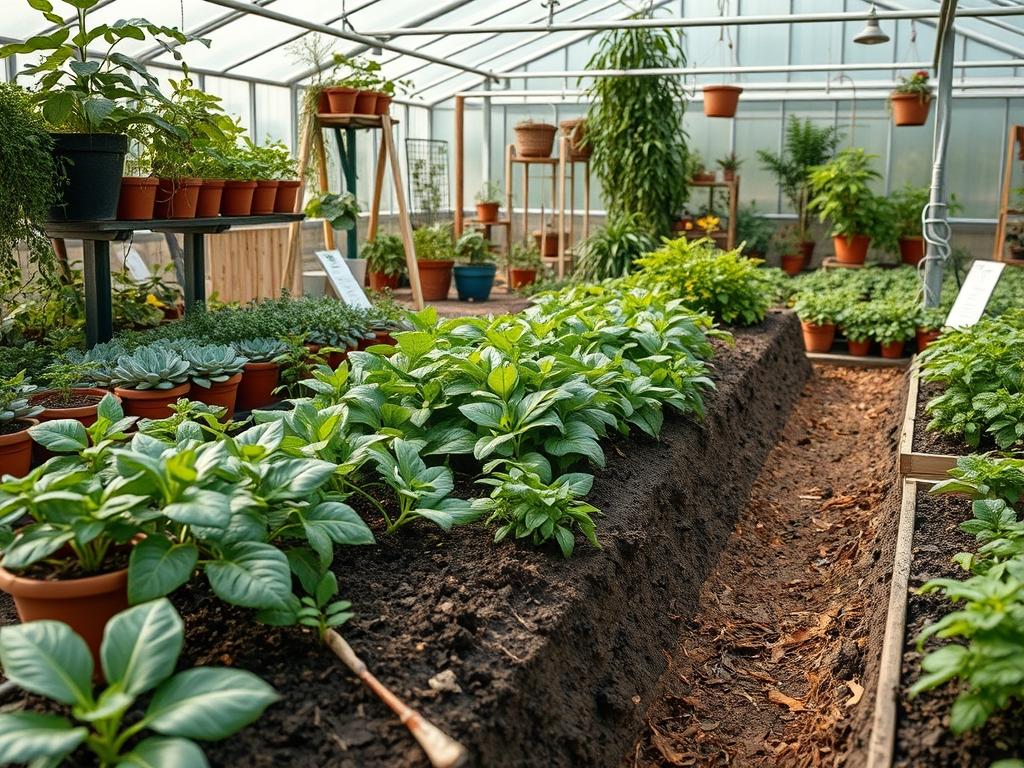
Effective land management often involves a delicate balance between aesthetic ambition and biological reality. In the field of landscape architecture, the presence of Solenopsis molesta, commonly known as the thief ant, presents a unique challenge that transcends simple pest control. These tiny insects, often measuring less than two millimeters, frequently build their colonies in close proximity to larger ant species to steal food and larvae. For a homeowner, a thriving outdoor environment with high curb appeal can inadvertently provide the perfect microclimate for these pests if the design does not account for moisture control and soil health. Achieving a functional outdoor space requires a strategic approach where Thief Ant Management is integrated into the very foundation of the site plan. By focusing on site drainage, specific material choices, and the structural integrity of the landscape, we can create an environment that is beautiful to the eye yet inhospitable to invasive colonies.
Effective landscape design begins with a rigorous assessment of the existing topography. In many urban and suburban lots, water tends to pool near the foundation or along the edges of hardscaped features. These damp zones are the primary breeding grounds for grease ants and fellow pests. As consultants, we view the garden not just as a collection of plants, but as an engineered system where elevation, irrigation, and vegetation work in concert. A well-designed landscape utilizes varied heights and textures to direct the eye, while simultaneously ensuring that the subsurface environment remains stable. When we address Thief Ant Management, we are essentially looking at how to reduce the availability of nesting sites within the first twenty feet of a structure. This involves a transition from high-density planting near the perimeter to more open, ventilated zones that allow for rapid evaporation of morning dew and irrigation runoff.
Landscape Design Principles
Symmetry and focal points are the cornerstones of traditional landscape architecture, but they also serve a functional purpose in pest prevention. A symmetrical layout allows for easier monitoring of the grounds. When shrubs and groundcovers are mirrored across a central axis, any deviation in plant health or sudden soil displacement becomes immediately apparent to the eye. Focal points, such as large ornamental trees or stone sculptures, should be installed with clear borders of Crushed Granite or River Rock. This creates a physical break between the nesting sites in the soil and the home or patio area.
Elevation layers contribute significantly to the visual depth of a garden. By utilizing Retaining Walls constructed from non-porous materials like Cast Concrete or Natural Slate, we can create tiered planting beds. These tiers improve drainage by allowing gravity to pull excess water away from the root zones of the plants. From a Thief Ant Management perspective, verticality is a powerful tool. It limits the surface area of moist soil that is in direct contact with flat walkways and structural foundations.
Irrigation planning is perhaps the most critical design principle for modern outdoor environments. Over-saturated soil is the primary attractant for thief ants, which seek out the greasy, protein-rich crumbs of larger insects thriving in damp environments. We recommend the use of Drip Irrigation Systems over traditional broadcast sprinklers. Drip lines deliver water directly to the base of the plant, minimizing the amount of surface moisture that can support ant colonies. Furthermore, the inclusion of Subsurface Drainage like a French Drain ensures that even during heavy rainfall, the water table does not rise high enough to create the bog-like conditions these ants prefer.
Walkways and paths should be designed with both flow and exclusion in mind. Using large Flagstone Pavers set in a bed of compacted Decomposed Granite provides a stable surface that resists the tunneling efforts of small insects. Visual balance is achieved by mixing these hard elements with soft, aromatic vegetation that may naturally deter pests while providing a lush, inviting atmosphere for residents and guests.
Plant and Material Selection
The following table outlines high-performance plants and materials that contribute to a resilient landscape while supporting long-term Thief Ant Management goals.
| Plant Type | Sun Exposure | Soil Needs | Water Demand | Growth Speed | Maintenance Level |
| :— | :— | :— | :— | :— | :— |
| Rosemary | Full Sun | Well-drained | Low | Moderate | Low |
| Lavender | Full Sun | Sandy/Rocky | Low | Moderate | Medium |
| Dwarf Yaupon Holly | Full/Partial | Loamy | Moderate | Slow | Low |
| Creeping Thyme | Full Sun | Gritty/Dry | Low | Fast | Low |
| Japanese Maple | Partial Shade | Slightly Acidic | Moderate | Slow | Medium |
| Mexican Feather Grass | Full Sun | Any | Very Low | Fast | Low |
| Catnip | Full/Partial | Average | Moderate | Fast | Medium |
Selection focus should remain on native species that require less supplemental watering once established. The goal is to avoid creating a lush, artificial jungle that acts as a reservoir for heat and moisture.
Implementation Strategy
Planning a backyard layout requires a step by step approach to ensure structural longevity. The first step in any professional installation is Grading. The land must be sloped at a minimum of a two percent grade away from the home foundation. This ensures that irrigation and rainwater naturally move toward the perimeter or a designated drainage basin. Once the grade is established, we implement Mechanical Edging to create a sharp, distinct boundary between turf areas and planting beds. This edging is not just for looks; it prevents the migration of roots and restricts the hidden movement of ant trails.
After grading, the installation of Geotextile Fabric provides a weed barrier that also stabilizes the soil. On top of this, we recommend a strict limit on Mulch Depth. While mulch is essential for moisture retention in plants, any layer exceeding 3 Inches becomes a playground for thief ants. These insects nest in the decaying organic matter of thick mulch. For optimal results, use Cedar Mulch or Pine Bark Nuggets, as these contain natural resins that are less hospitable to nesting.
Hardscaping elements like patios and outdoor kitchens should be installed on a Reinforced Concrete Slab or a thick bed of Polymeric Sand. This sand hardens upon wetting, filling the gaps between pavers and preventing ants from surfacing through the joints. Finally, ensure that all Retaining Walls are fitted with weep holes to prevent pressure buildup, but protect these holes with a fine stainless steel mesh to block insect entry.
Common Landscaping Failures
The most frequent mistake in landscape management is the failure to address drainage properly. When water collects at the base of a wall or under a deck, it creates a permanent moisture plume that invites whole ecosystems of pests. This leads to soil saturation, which eventually results in soil compaction. Compacted soil lacks the oxygen necessary for healthy plant roots, creating a stressed environment where thief ants can easily establish colonies in the cracks and fissures of the hardened ground.
Another common failure is root overcrowding. When plants are placed too close together, they compete for nutrients and water, and the lack of airflow between them creates a humid microclimate. This humidity is a catalyst for fungal growth and insect infestations. Proper spacing, as dictated by the mature width of the species, is essential for a healthy landscape.
Irrigation inefficiencies, such as broken heads or poorly timed controllers, contribute largely to the need for intensive Thief Ant Management. Many homeowners set their systems to run for a short duration every day. This keeps the surface soil perpetually wet. It is much more effective to water deeply and less frequently, allowing the top two inches of soil to dry out completely between cycles.
Seasonal Maintenance
Spring maintenance should focus on the restoration of the landscape after winter dormancy. This includes the application of a high-quality Slow-Release Fertilizer and a thorough inspection of the irrigation system. Prune any dead wood from shrubs and clear away leaf litter that may have accumulated, as this debris is a primary nesting site for thief ants.
During the summer, the focus shifts to moisture management. Monitor the soil for signs of cracking or over-saturation. If you notice small, sandy mounds appearing near your paved areas, it may be time to consult a professional for a targeted baiting program. Thief ants are more active in the heat and will forage aggressively for greasy food sources.
Autumn is the ideal time for Core Aeration of the turf. This process relieves soil compaction and improves the penetration of air and water. It is also the season to replenish mulch, ensuring that the depth remains at the recommended 2 to 3 Inches. Winter landscape management involves winterizing the irrigation lines and protecting sensitive plants from frost. Even in the colder months, thief ants can remain active if they have found a warm spot near a building foundation or inside a compost pile.
Professional Landscaping FAQ
How does mulch type affect Thief Ant Management?
Heavy organic mulches like cypress can trap excessive moisture and heat, encouraging nesting. Using inorganic materials like Lava Rock or aromatic woods like Cedar can significantly reduce the likelihood of colonies establishing themselves near the home perimeter.
Can certain plants naturally repel thief ants?
While no plant is a total solution, aromatic herbs such as Rosemary, Mint, and Lavender contain essential oils that insects find unpleasant. Integrating these into your landscape creates a natural barrier that complements other pest management strategies.
What is the best way to prevent ants in pavers?
The most effective method is using Polymeric Sand during the installation of stones or bricks. This material binds together to create a solid, flexible joint that prevents ants from tunneling up through the sand beds.
How often should I check my irrigation for leaks?
A monthly inspection is recommended during the growing season. Even a small leak can create a localized mud hole that serves as a primary hydration station for ant colonies and other moisture-seeking pests throughout the summer.
Does yard lighting impact ant behavior?
While thief ants are not primarily attracted to light, the insects they prey upon are. High-intensity outdoor lighting can attract smaller bugs, which in turn provides a food source for thief ants near your home entry points.