
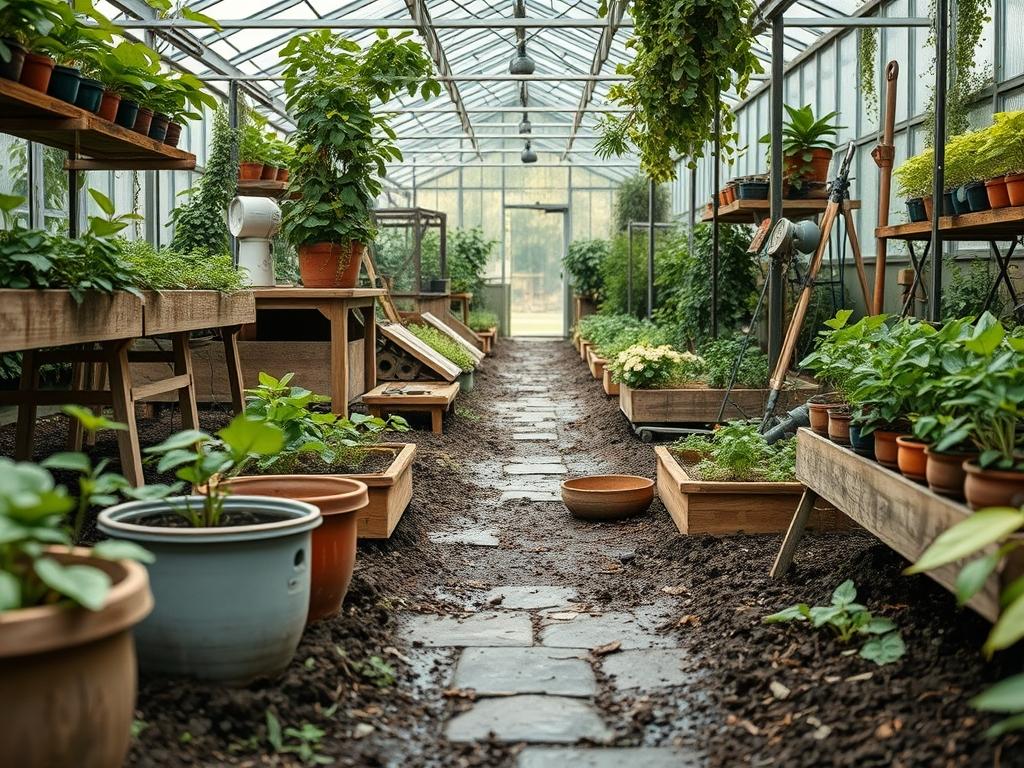
Maintaining a pristine tropical landscape requires a delicate balance between aesthetic ambition and biological management. In the humid corridors of the tropics, the ghost ant often emerges as a dominant nuisance, disrupting the tranquility of outdoor living spaces and eventually migrating into the interior of the home. These tiny, translucent insects thrive in high moisture environments and are particularly attracted to the honeydew produced by aphids and scale insects found on ornamental foliage. Effective landscape architecture serves as the first line of defense; it focuses on creating an environment that is naturally inhospitable to these pests. By integrating specific ghost ant deterrents into the initial site plan, a designer can enhance the functional longevity of the garden while preserving its visual allure. Curb appeal is significantly diminished when structural plants show signs of distress from pest-related soot or when walkways are overrun by foraging trails. A professional approach treats the garden as a holistic system where drainage, plant health, and hardscape barriers work in unison to manage insect populations without relying solely on chemical interventions.
Landscape Design Principles
Architecting a garden that resists ghost ant colonization begins with the principle of symmetry and controlled transitions. A common mistake in tropical design is allow foliage to press directly against the building envelope. This creates a bridge for ants. We utilize a “clean zone” strategy, which involves a 12-inch to 24-inch dry perimeter around the foundation of the house. This zone is typically filled with inorganic materials like River Rock or Mexican Beach Pebbles to eliminate the moisture and organic matter that ants require for nesting. By maintaining a clear separation between the structure and the soil, we force scouts to cross an exposed area, which naturally limits their movement.
Elevation and layering are equally critical. We design the garden with distinct vertical tiers to improve air circulation. Lower layers should consist of groundcovers that do not trap excessive humidity around the root crown. Focal points, such as a Specimen Palm or a custom Water Feature, must be engineered with integrated drainage to prevent the standing water that attracts tropical pests. Symmetry in the planting plan allows for easier inspection; if one side of a symmetrical hedge shows signs of yellowing or ant activity, the contrast makes it immediately apparent. Furthermore, walkways should be constructed from non-porous materials like Pavers or Travertine set on a compacted Fines base, reducing the cracks and crevices where ghost ants tend to establish satellite colonies. Proper irrigation planning ensures that water is delivered precisely to the root zones of plants via Drip Emitters rather than broadcasted through overhead sprayers, which creates the damp surface conditions ghost ants prefer.
Plant and Material Selection
Selecting the right botanical palette is the most effective way to integrate ghost ant deterrents into the landscape. We prioritize plants that either repel insects through natural oils or those that do not host the sap-sucking insects that ghost ants farm for food.
| Plant Type | Sun Exposure | Soil Needs | Water Demand | Growth Speed | Maintenance Level |
| :— | :— | :— | :— | :— | :— |
| Lemongrass | Full Sun | Well-drained | Moderate | Fast | Low |
| Society Garlic | Full Sun | Sandy Loam | Low | Moderate | Low |
| Lavender | Full Sun | Gritty/Dry | Low | Moderate | Medium |
| Peppermint | Partial Shade | Moist | High | Fast | High (Invasive) |
| Chrysanthemums | Full Sun | Rich/Drained | Moderate | Fast | Medium |
| Rosemary | Full Sun | Poor/Well-drained | Low | Slow | Low |
| Marigolds | Full Sun | Versatile | Moderate | Fast | Low |
The use of Aromatic Herbs like Rosemary and Lemongrass around the perimeter of seating areas provides a functional olfactory barrier. These plants contain essential oils that interfere with the pheromone trails ghost ants use for navigation. When choosing mulch, we opt for Melaleuca Mulch or Cedar Chips over dyed hardwood. These materials have natural insect-repellent properties and do not decompose as quickly into the rich, damp peat that ghost ants use for nesting.
Implementation Strategy
The transition from design to physical layout requires meticulous attention to site preparation. We begin with grading, ensuring the land slopes away from the residence at a minimum of two percent. This prevents moisture accumulation near the foundation. During the rough grading phase, we identify low spots and install French Drains or Catch Basins to handle heavy tropical rains. After the grade is established, we implement edging. Rigid Aluminum Edging or Concrete Curbing is used to define the boundaries between lawns and garden beds. This creates a physical barrier that disrupts the easy flow of ant colonies across different zones of the yard.
Once the hardscaping is in place, we focus on mulch depth. A common error is applying mulch too thickly; we recommend a maximum of 3 inches. Deep mulch creates a subterranean highway for ants, protected from the sun and predators. For drainage, we often use a sub-layer of Landscape Fabric beneath decorative stone in the dry zones to prevent soil mixing while allowing water to percolate. Finally, the installation of Retaining Walls can be used to create elevated planters. This elevation helps in managing soil moisture levels more effectively than ground-level beds, making it easier to maintain the dry conditions that act as ghost ant deterrents.
Common Landscaping Failures
The most frequent failure we encounter in tropical landscape management is improper irrigation scheduling. Many homeowners over-water, leading to soil saturation. Ghost ants are highly opportunistic; they will nest in the damp space between a Plastic Pot and the soil if the area is constantly wet. Another significant failure is root overcrowding. When plants are spaced too closely, they compete for nutrients and become stressed. Stressed plants are more susceptible to aphid infestations, which in turn invite ghost ants for the honeydew.
Soil compaction is another silent killer in the garden. When heavy machinery or frequent foot traffic compresses the soil, oxygen is pushed out and water can no longer drain. This results in stagnant zones. We use a Steel Garden Fork or a Power Aerator to alleviate this issue, ensuring the soil remains friable. Furthermore, the use of improper fertilizers can lead to a surge in soft, succulent growth that is a primary target for sap-sucking insects. We recommend Slow-Release Organic Fertilizers to promote steady, hardy growth that is less attractive to the pests that ghost ants depend on.
Seasonal Maintenance
Tropical landscapes do not follow the traditional dormancy of northern climates; however, they do have distinct wet and dry seasons that dictate maintenance needs. In the spring, which is often the start of the growing season, we focus on pruning. We use Bypass Pruners to remove any branches that touch the ground or structural walls. This removes the “ladders” ants use to climb. We also apply a fresh, thin layer of Cedar Mulch to maintain the repellent barrier.
During the summer wet season, the priority shifts to drainage management. We inspect Gutter Downspouts to ensure they are directing water into designated Splash Blocks or underground pipes. Any area where water puddles for more than four hours after a rain event must be addressed by adding soil or improving the sub-surface drainage. In the autumn, as the rains taper off, we check the irrigation system for leaks. A leaking Riser or cracked PVC Pipe creates a permanent swampy patch that will host a ghost ant colony through the dry months. Winter maintenance involves thinning out dense foliage to maximize sunlight penetration to the soil surface. Sunlight is a natural deterrent for ghost ants, which prefer the cool, dark recesses of overgrown shrubbery.
Professional Landscaping FAQ
How can I identify a ghost ant infestation in my garden?
Look for extremely small, pale-colored ants near moisture sources or sweet-smelling plants. They move erratically and very quickly when disturbed. You will often see them trailing along Irrigation Lines or the edges of Planter Boxes in search of food.
Will crushed stone really keep ghost ants away from my house?
A Gravel Barrier of at least twelve inches wide acts as a physical and thermal deterrent. The stones heat up in the sun and do not retain the moisture required for nesting, making the area an inhospitable “desert” for ant scouts.
Does specific mulch type matter for ant control?
Yes; Cedar and Cypress Mulch contain natural resins that are unpleasant to insects. Avoid heavy organic composts or thick hardwood mulches near the foundation, as these provide a damp, nutrient-rich habitat that encourages colony expansion and nesting.
Which plants are the most effective ghost ant deterrents?
Plants with strong scents like Peppermint, Rosemary, and Lemongrass are excellent. These species mask the scent trails used by ants. Additionally, avoiding plants prone to whitefly or aphids, like certain Hibiscus varieties, helps remove their primary food source.
Is professional grading necessary for a small backyard?
Correct grading is vital regardless of yard size. Even a small depression near a Patios or Walkway can collect enough water to support a massive ghost ant population. Ensuring water moves away from the home is the foundation of pest management.