
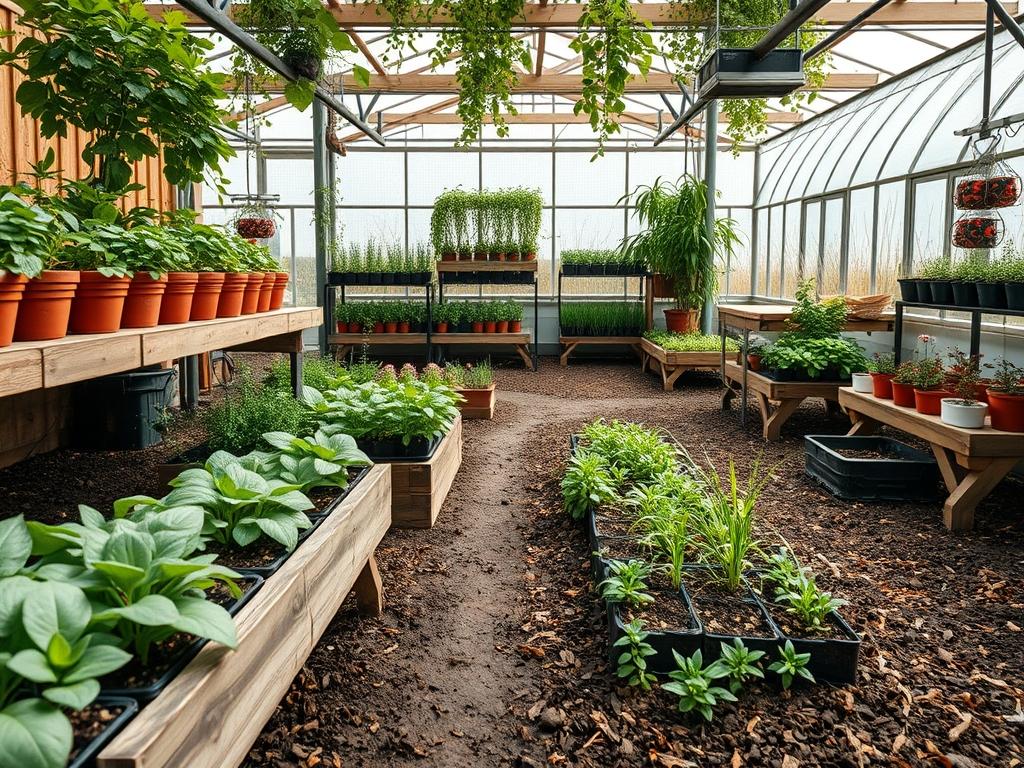
Designing a greenhouse requires more than simply selecting a sunny spot and assembling a glass kit. For the professional landscape architect, the greenhouse serves as a focal point that must balance aesthetic charm with rigorous utilitarian protection. One of the most persistent threats to the longevity of these structures is the infiltration of wood-destroying or opportunistic insects. Achieving effective Structural Ant Proofing begins long before the first pane of glass is set in place. It starts with a comprehensive understanding of sitework, drainage, and the biological habits of the local environment. A greenhouse acts as a humid, climate-controlled beacon that attracts pests seeking moisture and stable temperatures. If the surrounding landscape is not designed to redirect these pests, the structural integrity of the base, shelving, and even the glass frames can be compromised over time.
In professional garden planning, we view the greenhouse as an extension of the home’s transition from indoor to outdoor living. This means the structure must complement the existing curb appeal while maintaining its own distinct functionality. High-performance landscaping near a greenhouse focuses on the concept of the dry perimeter. By creating a physical and environmental gap between lush garden beds and the greenhouse foundation, we can significantly reduce the pressure from colony-building insects. This approach considers the microclimate of the site, noting how wind patterns and solar orientation affect soil moisture. When soil remains perpetually damp against a foundation, it creates a highway for ants. Therefore, we utilize grade stakes and laser levels to ensure the site is perfectly contoured to shed water away from the structure, protecting the investment from the ground up.
Landscape Design Principles
Successful greenhouse integration relies on the principle of symmetry and the careful calibration of elevation. To implement Structural Ant Proofing without sacrificing beauty, we often employ a tiered layering system. The greenhouse should ideally sit on a slightly elevated pad, perhaps 4 inches to 6 inches above the surrounding grade. This elevation prevents runoff from pooling around the base and creates a clear visual boundary. By using retaining walls made of natural stone or concrete blocks, a designer can provide a crisp edge that defines the space while serving as a secondary barrier against subterranean pests.
Focal points are equally important in this specialized landscape. A well-designed walkway, crafted from large-scale pavers or decomposed granite, should lead the eye toward the greenhouse entrance. These hardscape elements are not merely for decoration; they function as a desert for ants, offering no food or nesting material. We plan irrigation systems with surgical precision, ensuring that drip emitters are placed at least 12 inches away from the greenhouse foundation. Over-spraying from traditional rotors can soak the structural wood or metal, leading to rot and attracting carpenter ants. By maintaining a visual balance between dense plantings and open, dry hardscape zones, we create a landscape that is both inviting to humans and inhospitable to invasive insects.
Plant and Material Selection
Selecting the right plant palette is critical for maintaining an ant-free environment. Certain species act as natural deterrents due to their volatile oils, while others, like those prone to aphid infestations, can actually attract ants to the structure. The following table outlines professional-grade selections for greenhouse perimeters.
| Plant Type | Sun Exposure | Soil Needs | Water Demand | Growth Speed | Maintenance Level |
| :— | :— | :— | :— | :— | :— |
| Lavandula angustifolia | Full Sun | Sandy, Well-drained | Low | Medium | Low |
| Rosmarinus officinalis | Full Sun | Gritty, Alkaline | Low | Fast | Medium |
| Chrysanthemum | Full Sun | Fertile, Loamy | Moderate | Fast | High |
| Mentha piperita | Partial Shade | Moist, Rich | High | Rapid | High (In Pots) |
| Thymus vulgaris | Full Sun | Rocky, Poor | Low | Slow | Low |
| Allium senescens | Full Sun | Standard Garden | Low | Medium | Low |
In addition to plant life, the choice of inorganic materials is paramount. We recommend using 3/4 inch crushed river rock or lava rock as a perimeter mulch rather than organic wood chips. Wood mulch decomposes and provides a perfect nesting medium for colonies. Conversely, inorganic stones dry out quickly and do not harbor the moisture that ants require for survival.
Implementation Strategy
The process of Structural Ant Proofing begins with site preparation and grading. We start by excavating the footprint and extending a 24 inch buffer zone around the entire perimeter. The soil is compacted and graded at a 2 percent slope away from the center. A heavy-duty geotextile fabric is then laid down to prevent weed growth and soil mixing. For the foundation, a 4 inch thick concrete slab or a compacted gravel pad wrapped in 1/4 inch hardware cloth prevents ants from tunneling up through the floor.
Once the base is set, we install an edging system. Using powder-coated steel edging or heavy-duty aluminum provides a clean line between the lawn and the greenhouse stone buffer. Inside this buffer, we apply a layer of coarse sand or diatomaceous earth before topping it with the final decorative stone. This creates a multi-layered defense. If the greenhouse is a wooden-frame model, it is essential to treat the contact points with borate-based wood preservatives. We apply a bead of high-grade silicone sealant to any gaps where the frame meets the foundation, ensuring there are no entry points larger than 1/16 inch. Finally, we ensure that no tree branches or tall shrubs touch the glass or roofline, as these act as bridges for foraging ants.
Common Landscaping Failures
The most frequent mistake in greenhouse landscaping is the failure to manage drainage. When gutters are absent or downspouts discharge directly at the base of the structure, the resulting mud creates a prime habitat for pests. Furthermore, many homeowners fall into the trap of root overcrowding. When plants are placed too close to the greenhouse, their roots can eventually lift the foundation or create cracks in the floor through which ants can emerge.
Soil compaction is another silent failure point. If the soil surrounding the greenhouse is too dense, water cannot penetrate and instead sits in pockets against the structural members. We often see irrigation systems that have been poorly “zoned,” where the greenhouse perimeter receives the same amount of water as a thirsty lawn. This inefficiency not only wastes water but actively undermines Structural Ant Proofing efforts. Proper spacing is not just about aesthetics; it is about airflow. Without at least 18 inches of clear air space between the structure and the nearest large plant, humidity levels remain too high, inviting fungal issues and the insects that thrive on them.
Seasonal Maintenance
Landscape management for a greenhouse changes with the seasons. In the spring, the focus is on inspection and clearing. We check for new ant trails emerging as the weather warms and replenish any diatomaceous earth that may have washed away. This is also the time to prune any winter growth that has moved too close to the structure. During the summer, the priority shifts to irrigation monitoring. We ensure that the dry zone remains truly dry and check plants for aphids, as ants will farm these insects for honeydew.
Autumn requires a thorough cleaning of the gutters and the removal of fallen leaves from the stone buffer. Decomposing leaf litter is an open invitation for ants to settle in for the winter. Finally, in the winter, we inspect the weatherstripping and doorsills. As external food sources disappear, ants will be more aggressive in their attempts to find warmth and moisture inside the greenhouse. By maintaining a clean, dry, and well-sealed environment year-round, the structural integrity of the greenhouse remains uncompromised.
Professional Landscaping FAQ
How does mulch type affect ant populations?
Organic mulches like cedar or pine bark retain moisture and decompose, providing food and nesting sites. Using inorganic stone or crushed gravel eliminates these resources, forming a critical part of a successful Structural Ant Proofing strategy.
Can I use native plants for my greenhouse perimeter?
Yes, native plants are excellent choices because they are adapted to local rainfall. Select species with high resin or oil content, such as native sages, which are naturally less attractive to many common ant species.
What is the best way to seal foundation gaps?
Use a premium outdoor silicone caulk or expandable foam specifically rated for pest resistance. Ensure the area is dry and clean before application to create a permanent, airtight barrier that ants cannot bypass.
How far should my lawn be from the greenhouse?
Ideally, maintain a 2 foot to 3 foot buffer zone of hardscape or gravel between the turf and the structure. Grass requires frequent watering and provides a dense canopy that facilitates ant movement.
Does a concrete floor prevent all ant issues?
While a 4 inch concrete slab prevents subterranean entry, ants can still enter through expansion joints or wall gaps. Professional Structural Ant Proofing requires sealing those joints with polyurethane fillers to ensure a complete barrier.