
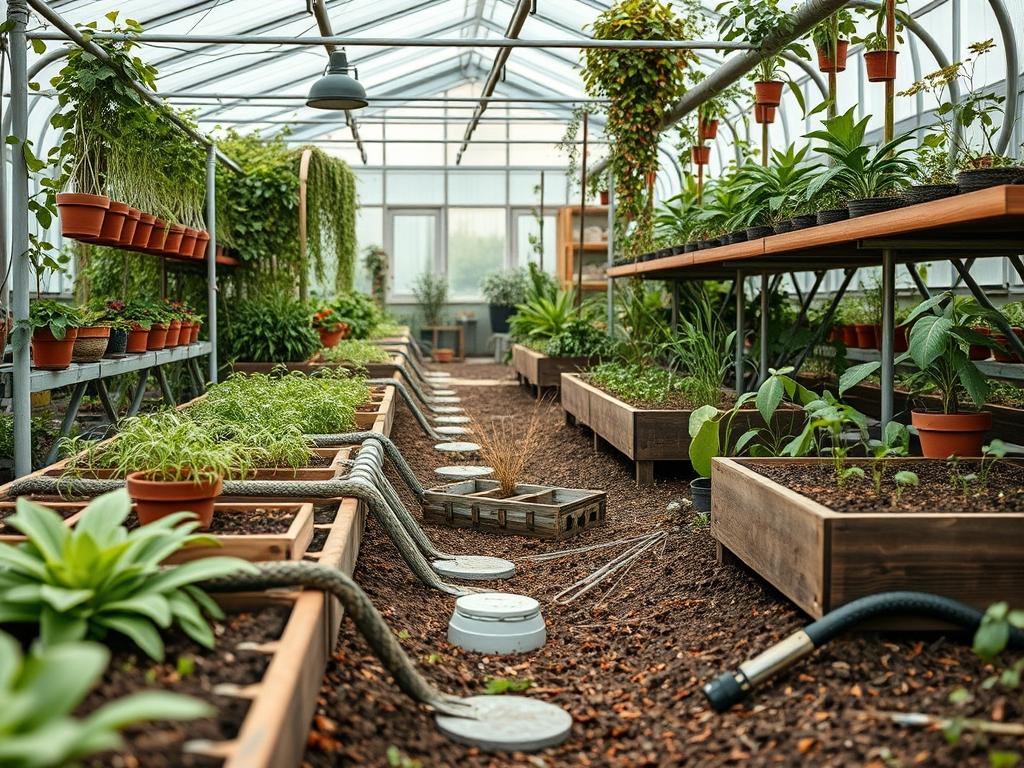
Achieving a cohesive landscape requires more than a simple Saturday afternoon at the local nursery. It demands a holistic understanding of environmental systems, ranging from soil chemistry to the structural integrity of hardscapes. When a property owner invests in a comprehensive master plan, they are looking for more than just aesthetics; they are seeking a permanent increase in property value and a significant boost to functional outdoor living. However, the delicate balance of a garden is often threatened by biological factors that go unnoticed by the untrained eye. While most homeowners focus on weed control or foliage discoloration, the underlying health of a landscape often depends on managing the micro-fauna that inhabit the soil and structural elements. For instance, high-level infestations of carpenter ants or fire ants can compromise the integrity of retaining walls, wooden decking, and even the root systems of young specimens. Knowing when to hire Professional Ant Services becomes a critical part of a long term maintenance strategy to ensure that your investment does not literally crumble from within. A landscape architect looks at the garden as a living machine where every gear must turn in sync. If pests are displacing the structural sand under your paver stones, the entire geometry of your patio is at risk.
Landscape Design Principles
Successful landscape design is rooted in the application of several core principles that guide the eye and organize the space. Symmetry and visual balance provide the framework for any formal garden. By mirroring plantings across a central axis, such as a stone walkway or a fountain, you create a sense of order and tranquility. However, asymmetrical balance is often more appropriate for modern or naturalistic designs, where different weights of plant material or hardscape objects are used to create equilibrium without exact duplication.
Elevation and layering are equally vital. A flat yard often feels uninspired and lacks depth. To solve this, architects use retaining walls or earthen berms to create varying levels of height. Planting according to height, with the tallest Evergreen Shrubs in the back, followed by mid-sized perennials, and finished with low-lying groundcover, ensures that every element of the garden is visible from the primary viewing area. Focal points, like a specimen Japanese Maple or a custom fire pit, serve as the destination for the eye, preventing the landscape from feeling cluttered or aimless.
Irrigation and walkway planning must be integrated into the design from the earliest phases. A beautiful garden is useless if it is inaccessible or impossible to hydrate efficiently. We utilize drip irrigation systems to deliver water directly to the root zones, minimizing evaporation and runoff. Walkways should be at least 36 inches wide to allow for comfortable passage, designed with materials that complement the architectural style of the home while providing a non-slip surface during wet weather.
Plant and Material Selection
Choosing the right materials involves a deep dive into the micro-climates of your specific property. A plant that thrives in the front yard might perish in the back if the drainage patterns or sun exposures differ.
| Plant Type | Sun Exposure | Soil Needs | Water Demand | Growth Speed | Maintenance Level |
| :— | :— | :— | :— | :— | :— |
| Boxwood | Partial to Full | Well-drained | Moderate | Slow | Medium |
| Lavender | Full Sun | Sandy/Loam | Low | Medium | Low |
| Hostas | Full Shade | Moist/Rich | High | Medium | Low |
| Switchgrass | Full Sun | Clay/Sandy | Low | Fast | Low |
| Hydrangea | Partial Shade | Rich/Acidic | High | Fast | Medium |
| Creeping Thyme| Full Sun | Well-drained | Low | Medium | Low |
Beyond flora, material selection for hardscapes is paramount. Using natural flagstone or architectural pavers provides a timeless look, but these materials require a solid base of crushed limestone and polymeric sand to prevent shifting. In areas where ants are prevalent, the choice of jointing sand is particularly important. If you notice persistent mounds of sand being pushed up from between your pavers, it is a sign that the structural base is being excavated by colonies. This is a primary scenario where you should seek Professional Ant Services to protect the foundation of your hardscape before the stones begin to tip or sink.
Implementation Strategy
The implementation of a professional landscape begins with site grading. Proper grading ensures that water flows away from the home foundation and toward designated drainage points like French drains or dry creek beds. Using a laser level, the landscape team establishes the necessary slopes, typically a minimum of a two percent grade. Once the land is shaped, the installation of hardscape elements proceeds. This includes digging trenches for retaining wall footings and laying out the geometry of patios using marking paint.
After the hardscape is set, the focus shifts to soil preparation. We often incorporate organic compost and expanded shale to improve the tilth of the soil, especially in heavy clay regions. Planting follows a strict protocol: holes are dug twice as wide as the root ball but no deeper. This prevents the plant from settling too low, which can lead to root rot.
The final touch is the application of mulch. A 3-inch layer of shredded hardwood mulch or pine bark is ideal for moisture retention and weed suppression. However, mulch can also become an incubator for massive ant colonies. If the population becomes imbalanced, the ants may begin to farm aphids on your ornamental roses, leading to a decline in plant health. Monitoring these biological interactions is part of professional management. If standard organic deterrents fail, engaging Professional Ant Services can prevent the pests from migrating from the mulch beds into the structural wood of your home.
Common Landscaping Failures
The most frequent error in DIY landscaping is poor drainage planning. Water that pools against a retaining wall creates immense hydrostatic pressure, which can lead to wall failure or collapse. Without a proper perforated drain pipe and gravel backfill, even the strongest wall will eventually fail. Similarly, many homeowners ignore the ultimate growth size of their plants. A Blue Spruce planted three feet from a house might look great today, but in fifteen years, its root system will threaten the foundation and its branches will scrape the siding.
Soil compaction is another silent killer. During construction, heavy machinery like a skid steer can compress the soil so tightly that air and water can no longer reach plant roots. If the soil is not properly aerated before planting, the garden will struggle regardless of how much fertilizer is applied. Lastly, irrigation inefficiencies, such as spray heads that hit the house or the sidewalk rather than the lawn, lead to both water waste and structural rot over time.
Seasonal Maintenance
Landscape management is a year round commitment that changes with the tilt of the earth. In the spring, the focus is on rejuvenation. This involves clearing away winter debris, applying a pre-emergent herbicide, and refreshing the mulch beds. It is also the best time to prune most deciduous shrubs before they begin their primary growth flush.
Summer maintenance revolves around water management and pest monitoring. During periods of extreme heat, irrigation controllers should be adjusted to water deeper and less frequently, encouraging roots to grow down into the cooler soil. This is the peak season for insect activity. If you find that fire ants are making your lawn unusable or that carpenter ants are scouting your wooden pergolas, this is the optimal window to hire Professional Ant Services. They can apply targeted treatments that eliminate the colony at its source without harming your beneficial pollinators.
Autumn is the season for soil building and planting. The soil is still warm, but the air is cool, providing the perfect environment for root development in new trees and shrubs. It is also the time to aerate the lawn and overseed to maintain a thick, competitive turf. Winter is the period of dormancy and protection. Wrapping sensitive evergreens in burlap and shutting down irrigation systems to prevent pipe bursts are essential tasks. Winter is also an excellent time for “dormant pruning” to shape large trees without the stress of summer heat.
Professional Landscaping FAQ
How often should I mulch my garden beds?
You should refresh your mulch once a year, typically in the spring. Maintain a consistent 3-inch depth to suppress weeds and retain moisture, but ensure the material does not touch the direct bark of trees or shrubs.
What is the best way to handle poor drainage?
Installing a French drain or a dry creek bed is the most effective solution. These systems redirect excess surface water away from high-traffic areas and foundations, channeling it toward appropriate outlets or rain gardens.
When does an ant problem require professional intervention?
Hire Professional Ant Services if you notice structural damage, such as wood shavings near timbers, or if mounds are undermining the stability of your paver patios. Professional treatment is necessary when DIY baits fail to reach the queen.
How do I choose the right plants for my zone?
Consult the USDA Hardiness Zone Map and prioritize native plants. Natives are adapted to your local climate and soil, requiring less water and fewer chemical inputs while supporting local biodiversity and beneficial insect populations.
Why is soil aeration important for my lawn?
Aeration involves pulling soil cores to reduce compaction. This allows oxygen, water, and nutrients to penetrate the root zone more effectively. It is essential for maintaining a healthy, resilient turf that can withstand summer heat and heavy foot traffic.