
Achieving a pristine outdoor environment requires more than just aesthetic intuition; it demands an understanding of the complex biological interactions that occur beneath the canopy. One of the most persistent challenges for any landscape architect is managing the symbiotic relationship known as Ants and Aphid Farming. In professional garden planning, this relationship is a double edged sword that can quickly compromise curb appeal and structural plant health. Ants act as shepherds, protecting aphid colonies from natural predators like lacewings or lady beetles. In return, the aphids provide a sugary substance called honeydew. This biological alliance often leads to explosive aphid populations, resulting in curled leaves, stunted growth, and the development of black sooty mold. To the casual observer, a failing hibiscus or rose bush may look like a simple watering issue, but to a consultant, it often reveals a sophisticated farming operation managed by local ant colonies. A successful landscape design must account for these pressures by balancing moisture levels, choosing resilient species, and creating physical barriers that disrupt these insect highways.
When we approach a sub-urban or commercial site, the goal is always to harmonize outdoor functionality with long term sustainability. Ants and Aphid Farming can derail this by targeting the very focal points designed to draw the eye. If a specimen tree is covered in sticky residue and crawling with ants, the perceived value of the property drops. Furthermore, the presence of these pests often indicates an underlying stressor in the microclimate, such as poor airflow or excessive nitrogen in the soil. By integrating Integrated Pest Management (IPM) strategies into the initial design phase, we can mitigate these risks. This involves more than just selecting beautiful plants; it requires a strategic layout that promotes predator habitats and utilizes physical deterrents to keep ant populations in check.
Landscape Design Principles
A professional landscape relies on several core principles to maintain health and visual interest, starting with symmetry and visual balance. When designing a garden bed, we use focal points to anchor the gaze, but these areas must be protected from pest infestations that cause defoliation. We often use elevation layers, such as cascading planters or tiered retaining walls, to create distinct zones. These layers are not just for aesthetics; they allow for better drainage and make it harder for ants to establish massive, interconnected transit routes between the soil and the upper foliage of ornamental plants.
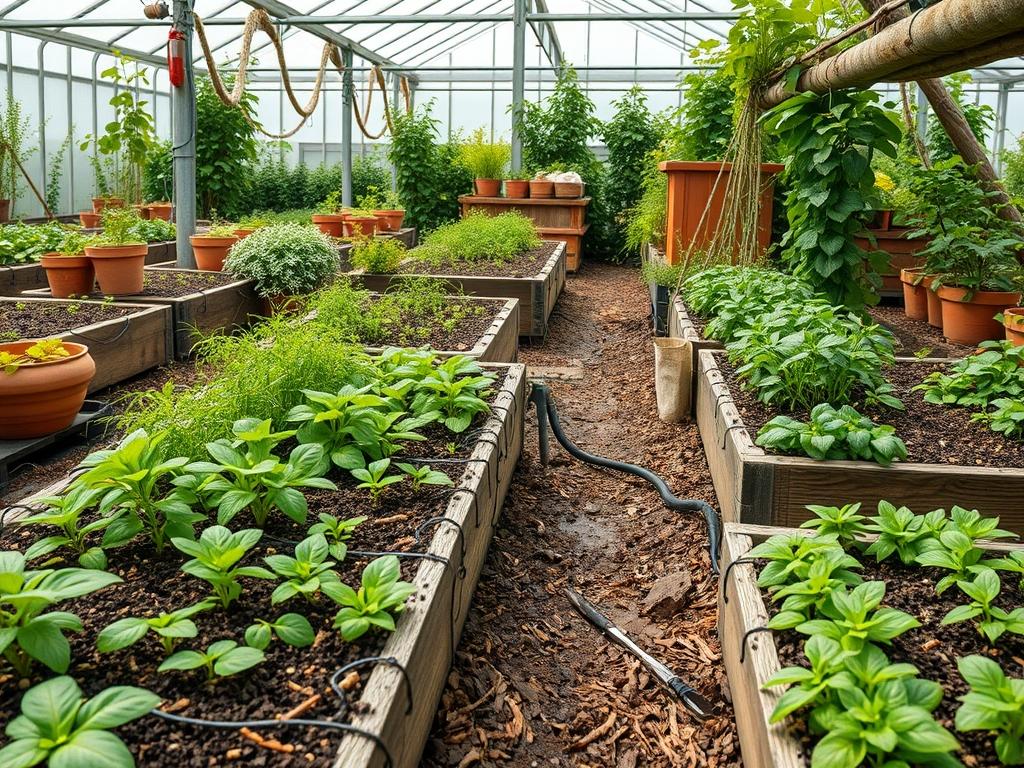
Irrigation planning is perhaps the most critical principle when addressing Ants and Aphid Farming. Over-saturated soil attracts many ant species, especially in arid climates where moisture is a prized resource. By utilizing a high efficiency drip irrigation system rather than overhead sprayers, we keep the leaf canopy dry, which discourages the growth of sooty mold associated with aphid honeydew. Walkways and hardscaping also play a role. Using polymeric sand in the joints of paver stones creates a hardened barrier that prevents ants from nesting directly beneath the primary footpaths of the garden. This structural approach ensures that the landscape remains functional and clean, reducing the need for chemical interventions later.
Plant and Material Selection
The following table outlines specific plant selections that help manage the garden ecosystem while providing high aesthetic value. These species are chosen for their resilience and their ability to either repel ants or attract the beneficial insects that prey on aphids.
| Plant Type | Sun Exposure | Soil Needs | Water Demand | Growth Speed | Maintenance Level |
| :— | :—: | :— | :—: | :—: | :—: |
| Lavandula angustifolia | Full Sun | Well-Drained | Low | Moderate | Low |
| Rosmarinus officinalis | Full Sun | Sandy/Loamy | Low | Moderate | Low |
| Nepeta cataria | Full/Partial | Average | Moderate | Fast | Moderate |
| Achillea millefolium | Full Sun | Poor to Average | Low | Fast | Low |
| Tagetes (Marigold) | Full Sun | Rich/Loamy | Moderate | Fast | Low |
| Chrysanthemum | Full/Partial | Well-Drained | Moderate | Moderate | High |
| Allium | Full Sun | Well-Drained | Low | Moderate | Low |
Selecting the right materials is equally important. We recommend using cedar mulch or arborist wood chips spread to a specific depth to regulate soil temperature. Unlike dyed decorative mulches, cedar contains natural oils that can deter some crawling insects. Additionally, incorporating river rock or crushed granite around the base of high value specimen trees creates a dry zone that ants are less likely to cross to reach their aphid farms.
Implementation Strategy
Implementing a landscape design that accounts for Ants and Aphid Farming begins with proper site grading. The land must be sloped at a minimum of two percent away from the home foundation and primary planting beds to ensure that water does not pool. Standing water is a beacon for scout ants. Once the grade is established, we install steel edging or heavy duty composite benders to define the borders between turf and garden beds. This creates a clean line and acts as a minor subterranean barrier.
Next, focus on the soil health. We recommend a mix of organic compost and native soil, but caution against excessive nitrogen fertilizers. High nitrogen levels lead to rapid, succulent new growth, which is the primary food source for aphids. By using slow release organic fertilizers, we ensure the plants grow strong without becoming an all you can eat buffet for pests. When planting, maintain a spacing of at least 18 to 24 inches between shrubs to ensure adequate airflow. This prevents the humid, stagnant conditions that allow aphids to thrive under the protection of their ant guardians. Finally, apply a 2 to 3 inch layer of mulch, ensuring it does not touch the base of the plant stems, as this can lead to rot and provide a hidden bridge for ants.
Common Landscaping Failures
One common failure in modern landscaping is the use of improper mulch depth. When mulch is piled in “volcano” shapes around tree trunks, it creates a moist, protected environment for ants to build nests and easily access the canopy to farm aphids. This leads to long term bark decay and pest vulnerability. Another frequent mistake is irrigation inefficiency. Sprinklers that hit the foliage rather than the root zone create a damp environment where sooty mold flourishes on aphid secretions, eventually blocking photosynthesis and killing the plant shoots.
Soil compaction is another silent killer of landscape designs. In areas with high foot traffic or heavy clay, compact soil prevents oxygen from reaching the roots. Stressed plants emit chemical signals that attract aphids, and ants quickly follow to exploit the situation. Furthermore, failing to account for root overcrowding often happens when homeowners plant for immediate “fullness” rather than long term size. As plants grow into one another, they create a continuous bridge of foliage, allowing Ants and Aphid Farming operations to spread rapidly across an entire border without ever touching the ground.
Seasonal Maintenance
Seasonal care is vital to disrupting the life cycles of these pests. In the spring, focus on monitoring new growth. This is when aphids first emerge. Applying a sticky barrier tape around the trunks of larger trees can physically prevent ants from climbing up to farm the new aphid colonies. In the summer, the focus shifts to hydration and blast-cleaning. Using a high pressure water stream to wash aphids off the undersides of leaves is a chemical free way to disrupt the farming cycle.
During the autumn, it is time for sanitation. Remove any fallen leaves or debris that might provide overwintering sites for aphid eggs or ant colonies. Pruning is also essential; removing dead or crossing branches improves airflow before the dormant season. In the winter, applying a dormant oil spray to the bark of deciduous trees and shrubs can smother overwintering aphid eggs. This proactive step reduces the initial pest load the following spring, ensuring that the landscape remains healthy and vibrant as the new growing season begins.
Professional Landscaping FAQ
What is the fastest way to stop ants from farming aphids?
Apply a sticky resin or barrier tape around the base of tree trunks. This physically prevents ants from reaching the aphids, leaving the pests vulnerable to natural predators and breaking the symbiotic cycle within days.
Does mulch attract ants to my garden beds?
Excessively thick, damp mulch can provide nesting sites for ants. To avoid this, maintain a 2 to 3 inch layer of cedar mulch and keep it away from the base of plant stems to ensure proper ventilation.
How does irrigation affect aphid populations?
Overhead watering creates a humid environment that protects aphids and encourages sooty mold. Switching to drip irrigation targets the roots directly, keeping the foliage dry and making the microclimate less hospitable for both ants and their aphids.
Which plants naturally deter ants and aphids?
Strongly scented herbs like Rosmarinus officinalis, Lavandula, and Mentha can deter ants. Plants like Achillea attract beneficial insects like ladybugs, which are the natural enemies of aphids and help maintain a healthy ecological balance.
Why is my plant turning black near an ant trail?
The black substance is sooty mold, a fungus that grows on the honeydew excreted by aphids. Ants protect these aphids as they feed, leading to a build up of the sticky residue that eventually hosts the mold.