
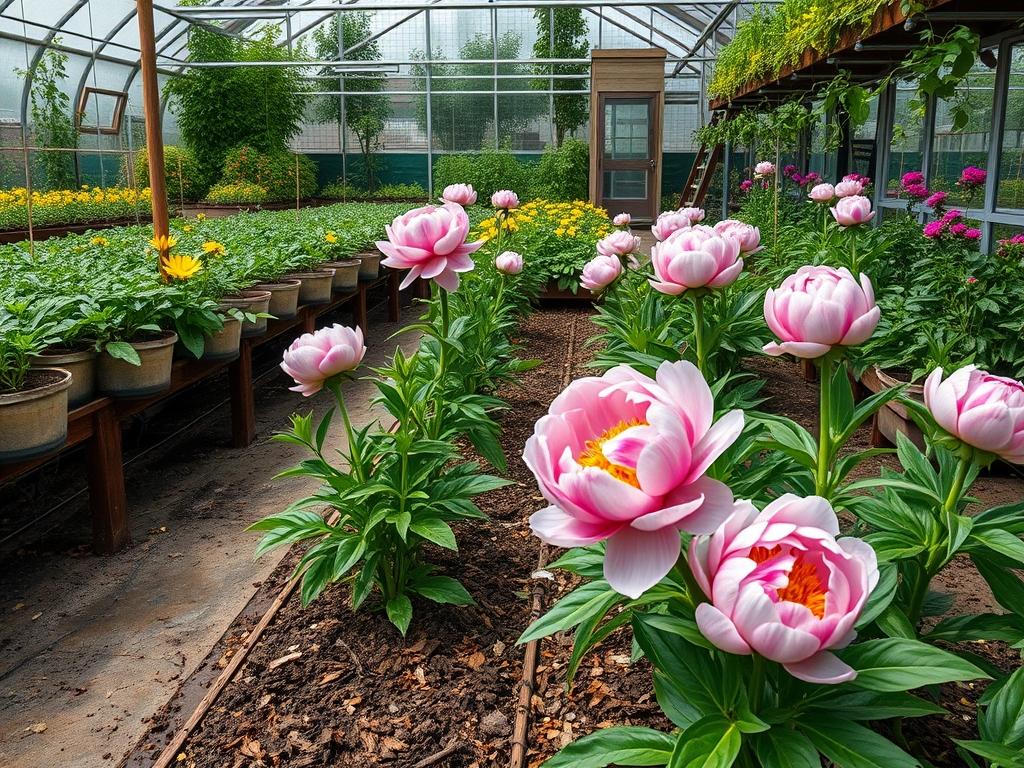
The sight of glossy, nectar-laden buds on a Paeonia lactiflora often brings a moment of panic to the uninitiated homeowner. Large, industrious ants frequently swarm these developing blossoms, leading many to fear that their expensive landscape investment is under attack. However, as a professional landscape architect, I view the presence of these insects not as a sign of impending ant damage on peonies, but as a hallmark of a healthy, functioning ecosystem. This symbiotic relationship is a masterclass in natural pest management and serves as a vital component of a high performing outdoor environment. When we design a garden for maximum curb appeal and longevity, we must understand how these biological interactions contribute to the overall functionality of the landscape. Peonies are far more than just a seasonal floral display; they are structural anchors in the perennial border that require precise site planning to reach their full potential.
In the world of professional estate management, peonies represent a significant investment in both time and resources. These plants can live for over fifty years when properly established, making them a permanent fixture of the landscape design. The “Ant Damage on Peonies” myth persists because the insects are highly visible right as the plant reaches its most aesthetic phase. In reality, the ants are attracted to extrafloral nectaries, which are specialized glands on the outside of the flower buds that secrete a sweet liquid consisting of sugars, amino acids, and lipids. As the ants forage for this high energy food source, they act as a private security force for the plant. They aggressively defend their food source from more destructive pests, such as thrips, aphids, and even small beetles that might otherwise burrow into the bloom and cause actual structural deformity. Understanding this relationship allows us to plan gardens that embrace natural cycles rather than fighting them with unnecessary chemical interventions.
Landscape Design Principles
Successful landscape design relies on a clear understanding of spatial organization and visual weight. When integrating peonies into a professional plan, we focus on several core principles to ensure the garden remains balanced throughout the entire growing season. Symmetry is often used in formal garden layouts, where rows of Garden Peonies line a central walkway to create a sense of rhythm and direction. In more contemporary or informal designs, we use these plants as focal points within an asymmetrical arrangement, drawing the eye toward specific transitions in the outdoor space.
Elevation layers are another critical consideration for the landscape architect. Because many peony cultivars reach heights of 24 to 36 inches, they occupy the middle tier of a well designed perennial border. We typically place low growing groundcovers in the foreground and taller shrubs or ornamental trees in the background to create a sense of depth. This vertical layering prevents the garden from looking flat and ensures that every plant has access to adequate sunlight and air circulation. Irrigation planning must also be integrated into the initial design phase. We utilize drip irrigation tubing buried beneath the mulch layer to deliver moisture directly to the root zone, which significantly reduces the risk of fungal diseases like botrytis. By carefully considering the placement of paver stones and edging materials, we can frame these floral displays and ensure they provide maximum visual impact from the home’s primary viewing angles.
Plant and Material Selection
| Plant Type | Sun Exposure | Soil Needs | Water Demand | Growth Speed | Maintenance Level |
| :— | :— | :— | :— | :— | :— |
| Paeonia lactiflora | Full Sun | Well Drained Loam | Moderate | Slow to Medium | Moderate |
| Paeonia suffruticosa | Partial Shade | Rich, Alkaline | Low to Medium | Very Slow | High |
| Itoh Peony | Full to Part Sun | Neutral pH | Moderate | Medium | Low |
| Nepeta fassenii | Full Sun | Sandy, Dry | Low | Fast | Low |
| Alchemilla mollis | Part Shade | Moist Clay | High | Medium | Medium |
| Salvia nemorosa | Full Sun | Average | Low | Fast | Low |
Implementation Strategy
The transition from a design on paper to a physical landscape requires a methodical implementation strategy. We begin with site preparation, which involves professional grading to ensure positive drainage away from the planting beds. Peonies are notoriously sensitive to “wet feet,” so we often install perforated drainage pipes or French drains in areas with heavy clay content. Once the grade is established, we use a mechanical auger or a standard spade to excavate planting holes that are twice as wide as the root ball but no deeper than the original container.
Soil amendment is the next critical step. We incorporate high quality compost and aged manure into the backfill to provide necessary nutrients for the first several seasons. When placing the plant, the “eyes” or growth buds must be situated no more than 2 inches below the soil surface. Planting too deep is the primary cause of non blooming plants and is a common error in amateur installations. After backfilling, we apply a 3-inch layer of hardwood mulch, taking care to keep the mulch several inches away from the stems to prevent crown rot. For larger varieties, we install steel peony hoops early in the spring. These supports are essential for preventing the heavy, double blossomed varieties from collapsing under their own weight during spring rainstorms. Finally, we define the bed edges using aluminum edging or cobblestone borders to create a clean, professional finish that prevents turf grass from encroaching on the root systems.
Common Landscaping Failures
One of the most frequent mistakes in residential landscapes is the misidentification of insect activity, leading to unnecessary pesticide applications. When homeowners see ants and assume they are witnessing ant damage on peonies, they often spray the buds with broad spectrum insecticides. This not only kills the beneficial ants but also destroys predatory wasps and ladybugs, often leading to a secondary outbreak of aphids. Beyond pest management, drainage failures are a leading cause of plant mortality. When water pools around the base of the plant due to poor grading or soil compaction, the roots eventually suffocate and rot.
Root overcrowding is another significant issue that occurs when plants are spaced too closely for immediate effect. While a dense planting looks good in the first year, by year three, the lack of air circulation creates a breeding ground for powdery mildew and other pathogens. We maintain a minimum spacing of 36 inches between peony clumps to ensure adequate airflow. Furthermore, irrigation inefficiencies, such as using overhead sprinklers that wet the foliage in the evening, can lead to scorched leaves and fungal blooms. A professional system should always prioritize morning watering and subterranean delivery to maximize water efficiency and plant health.
Seasonal Maintenance
Landscape management is a year round commitment that changes with the cycles of the plant. In the spring, the focus is on fertilization and support. We apply a balanced, low nitrogen fertilizer (such as a 5-10-10 blend) as the red shoots first emerge from the ground. This provides the phosphorus and potassium needed for strong stem development and vibrant flowers. As the buds swell and the ants arrive, we monitor for any signs of actual damage, such as distorted foliage which might indicate a different pest altogether.
During the summer months, maintenance shifts to hydration and deadheading. We remove spent blooms with a bypass pruner, cutting back to the first strong leaf to maintain a tidy appearance and prevent the plant from wasting energy on seed production. In autumn, once the foliage has turned yellow or bronze following a hard frost, we cut the entire plant back to approximately 1 to 2 inches above the soil line. This is a crucial step in preventing disease spores from overwintering in the garden. For winter protection, we may add a light layer of evergreen boughs or straw in colder climates, though most established peonies are remarkably cold hardy. Consistent documentation of these tasks ensures that the landscape continues to mature into a cohesive and beautiful environment.
Professional Landscaping FAQ
Question: Do ants actually help the peony flowers open?
Answer: This is a common gardening myth. While ants do not physically help the blossoms open, they protect the developing buds from real pests. The flowers will open normally with or without ants, but they are often cleaner when ants are present.
Question: Why are my peonies growing plenty of leaves but no flowers?
Answer: The most likely cause is planting depth. If the eyes are buried deeper than 2 inches, the plant will prioritize foliage over flowers. Other factors include excessive nitrogen, too much shade, or the plants being too young to bloom.
Question: How do I get rid of ants before bringing peonies inside?
Answer: Simply hold the flower upside down and give it a gentle shake, or dip the bloom into a bucket of cool water for a few seconds. The ants will float away, allowing you to enjoy the cut flowers without unwanted guests.
Question: Can I move an established peony to a different part of the yard?
Answer: Yes, but only in the autumn. Peonies have deep taproots and dislike being moved, so you must dig a very large root ball. Moving them in spring often results in several years of failed blooms due to transplant shock.
Question: How much sun do these plants actually need to thrive?
Answer: For optimal bloom production and strong stems, peonies require at least 6 to 8 hours of direct sunlight daily. While they may survive in partial shade, the flowering will be significantly reduced and the stems will likely become leggy.