
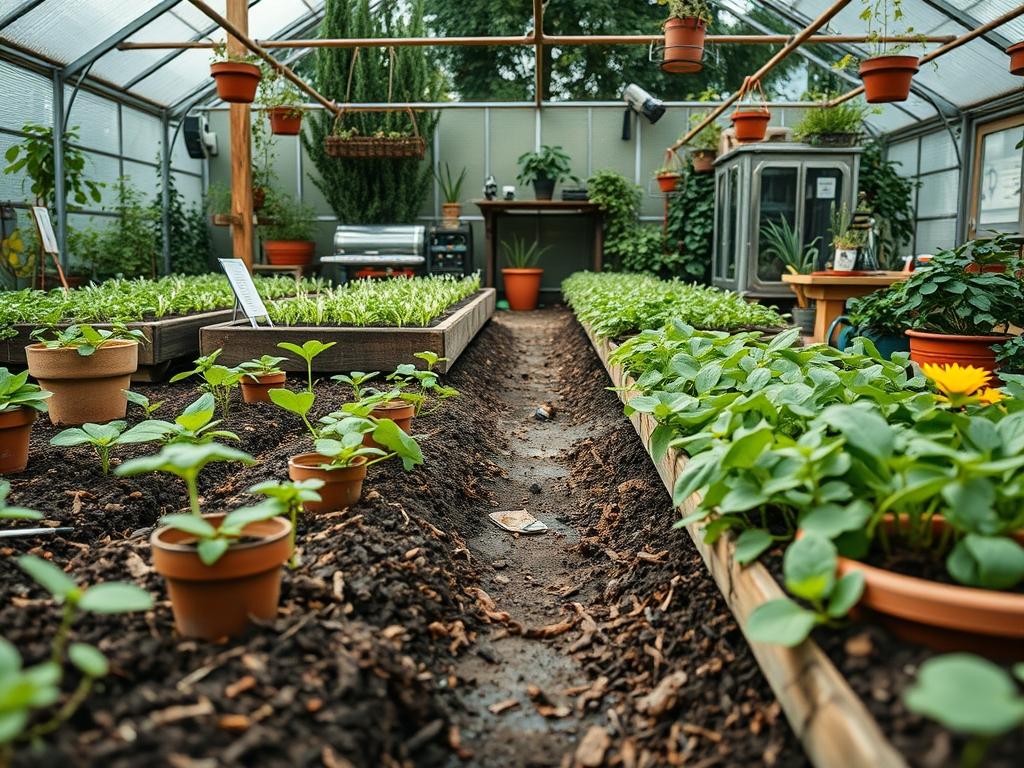
Landscape architecture is a discipline that requires a delicate balance between aesthetic vision and ecological reality. While we often focus on the geometric precision of a Retaining Wall or the vibrant hues of a perennial border, the success of any outdoor environment depends largely on the health of its biological components. One of the most persistent challenges for any property owner or garden designer is the hidden alliance formed between Ants and Mealybugs. This symbiotic relationship is more than just a biological curiosity; it is a significant threat to curb appeal, plant health, and the overall functionality of a landscape. When Ants protect Mealybugs from natural predators in exchange for the sugary honeydew they secrete, the result is often a rapid decline in plant vigor and the unsightly development of black sooty mold. For a landscape architect, managing this requires a deep understanding of how design choices, from irrigation to plant spacing, influence pest dynamics.
From a professional standpoint, an infestation of Mealybugs can ruin the most meticulously planned focal points. These small, cottony insects feed on the sap of high-value ornamentals like Gardenia, Hibiscus, and Boxwood, causing leaf yellowing and stunted growth. Because Ants act as their personal bodyguards, traditional biological controls like Ladybugs or Lacewings are often chased away. This partnership creates a feedback loop where the plants become increasingly stressed, losing their structural integrity and visual impact. In professional landscaping, we must consider the climate, particularly in warmer regions where these pests flourish year round, and implement strategies that disrupt this symbiosis before it compromises the client experience.
Landscape Design Principles
Successful landscape design relies on core principles that also happen to play a role in pest management. Symmetry and visual balance are achieved through the repetition of plant forms, but if one Italian Cypress in a symmetrical row becomes infested, the entire design is ruined. To prevent this, we prioritize airflow and light penetration in our layouts. Proper spacing ensures that foliage does not become a stagnant environment where Mealybugs can hide and Ants can forage undisturbed. Using elevation layers by mixing taller Canopy Trees with mid-level Shrubs and lower Groundcovers creates a diverse ecosystem that is naturally more resilient to specialized pest outbreaks.
Focal points are the stars of the landscape, often consisting of expensive specimen trees like Japanese Maples. These should be positioned with enough clearance to allow for easy inspection and treatment. Furthermore, walkway design contributes to the management of Ants and Mealybugs. By using crisp Steel Edging or Paver Borders, we create physical boundaries that make it easier to apply non-toxic ant barriers. Irrigation planning is another vital pillar. Over-head watering often contributes to the humidity levels that Mealybugs prefer, whereas a well-designed Drip Irrigation system delivers water directly to the root zone, keeping the foliage dry and less hospitable to infestations.
Plant and Material Selection
Selecting the right materials is the cornerstone of sustainable landscaping. While some plants are notorious magnets for pests, others offer natural resistance or can be managed through smart placement. The following table outlines several common landscape plants and their requirements in the context of an integrated management plan.
| Plant Type | Sun Exposure | Soil Needs | Water Demand | Growth Speed | Maintenance Level |
| :— | :— | :— | :— | :— | :— |
| Buxus microphylla | Full Sun to Shade | Well-Drained | Moderate | Slow | High |
| Hibiscus rosa-sinensis | Full Sun | Rich, Moist | High | Fast | High |
| Agave americana | Full Sun | Sandy/Gravelly | Low | Moderate | Low |
| Gardenia jasminoides | Partial Shade | Acidic | High | Moderate | High |
| Taxus baccata | Sun or Shade | Loamy | Moderate | Slow | Medium |
| Lantana camara | Full Sun | Average | Low | Fast | Low |
Materials like Hardwood Mulch or Crushed Granite also play a role. While Organic Mulch improves soil health, it can provide a nesting site for Ants if applied too thickly. We recommend a depth of no more than 3 inches to ensure proper gas exchange and to prevent the area from becoming a nursery for subterranean pests.
Implementation Strategy
Implementing a landscape plan that accounts for Ants and Mealybugs requires a step by step approach starting with the foundation. First, professional grading is essential. Ensuring that water flows away from the structure and plant crowns prevents the high-moisture conditions that attract Ants. Once the site is graded, we install the Hardscape elements, such as Flagstone Paths or Retaining Walls, which serve as permanent boundaries between different zones of the garden.
Next, we address the soil. Soil compaction is a major stressor for plants, making them more susceptible to sap-sucking insects. Using a Power Auger or Backhoe to loosen the soil and incorporating composted organic matter creates a robust root environment. When planting, we ensure that the root flare of every Tree is slightly above the soil line. After the plants are in the ground, the application of a Slow-Release Fertilizer provides nutrients without causing the sudden flush of nitrogen-rich growth that attracts Mealybugs. Finally, we apply a perimeter treatment of Diatomaceous Earth around the base of vulnerable species to deter Ants from climbing the stems to tend their “livestock.”
Common Landscaping Failures
Many landscaping problems stem from a lack of foresight during the installation phase. Drainage mistakes are perhaps the most common; when water pools around the base of a Privet Hedge, the roots suffer from hypoxia, making the plant a target for Mealybugs. Root overcrowding is another frequent error. Homeowners often want an “instant” mature look and plant Shrubs too close together. Within three years, the lack of airflow between the plants creates a humid microclimate where Ants can farm pests without interference from the wind or sun.
Improper spacing also makes it difficult to use Pruning Shears or other tools for maintenance. If you cannot reach the center of a plant, you cannot spot the first signs of a mealybug colony. Furthermore, irrigation inefficiencies, such as broken heads or mismatched nozzles, can result in over-watering some areas while leaving others bone dry. Stress is the primary invitation for pests. Finally, using the wrong type of Mulch or applying it directly against the trunk of a Tree—a practice known as “volcano mulching”—creates a bridge for Ants to bypass any ground-level barriers and move directly into the canopy.
Seasonal Maintenance
Landscape management is a year round commitment that changes with the weather. In the Spring, the focus is on prevention. This is the time to apply dormant oils to smother any overwintering eggs and to check Drip Irrigation lines for leaks. As the weather warms into Summer, the symbiosis between Ants and Mealybugs reaches its peak. We perform weekly walks to look for the telltale signs of sticky honeydew on the leaves. If found, a sharp blast of water from a High-Pressure Hose can dislodge the insects while we simultaneously address the ant trails on the ground.
During the Autumn, the goal is cleanup. Removing fallen leaves and spent blooms reduces the number of places where pests can hide during the colder months. We also prune back any branches that are touching the ground or the walls of a house, as these act as “ant bridges.” In the Winter, maintenance involves structural pruning with Bypass Pruners. By thinning out the interior of dense Evergreens, we increase light and air circulation for the following growing season. This seasonal cycle ensures that the landscape remains a healthy, vibrant environment that is difficult for pests to colonize.
Professional Landscaping FAQ
How do ants specifically benefit mealybugs?
Ants provide protection from predators and parasites. In return, the Mealybugs produce a sugar-rich waste product called honeydew. This relationship creates a safe harbor for pests, allowing their populations to explode and eventually damage the health of the host plant.
Can I use mulch to prevent ant infestations?
While Mulch is beneficial for moisture retention, excessive amounts can harbor colonies. Use a thin layer of Cedar Mulch, which has some natural repellent properties, and keep it at least 2 inches away from the base of plant stems and trunks.
What is the fastest way to stop this symbiosis?
The most effective strategy is to target the Ants first. By applying sticky barriers or non-toxic baits at the base of the plant, you remove the protectors. Without their guards, Mealybugs are quickly decimated by natural predators like Ladybugs.
What are the signs of a mealybug problem on my property?
Look for white, cotton-like clusters in the leaf axils or on the undersides of leaves. You may also notice a sticky residue on the foliage or a black, sooty mold covering the lower leaves, both of which indicate an active infestation.
Are certain plants more susceptible to these pests?
Yes, soft-tissued ornamental plants like Coleus, Begonias, and Citrus Trees are high-priority targets. In professional designs, we often intersperse these with more resistant species or use them in containers where the environment can be more easily controlled.